
Bauhaus 100
★ 6.5 · 2019 · 59m · History · Documentary
In 1919 an art school opened in Germany that would change the world forever. It was called the Bauhaus. A century later, its radical thinking still shapes our lives today. Bauhaus 100 is the story of Walter Gropius, architect and founder of the Bauhaus, and the teachers and students he gathered to form this influential school. Traumatised by his experiences during the Great War, and determined that technology should never again be used for destruction, Gropius decided to reinvent the way art and design were taught. At the Bauhaus, all the disciplines would come together to create the buildings of the future, and define a new way of living in the modern world.
More Like This
Tree Limbs
2025
A homogeneous structure of wind and light across tree branches in the South region of Isère
More info →
This Means More
2020 · ★ 7.5
Images of crowd simulation are faced with testimonies from Liverpool Football Club’s supporters who recall their experience marked by a tragic event: the Hillsborough stadium disaster in 1989, which changed the nature of the game of football.
More info →
The Weavers of Nishijin
1961 · ★ 7.6
The Weavers of Nishijin captures the process of traditional textile manufacture in Nishijin.
More info →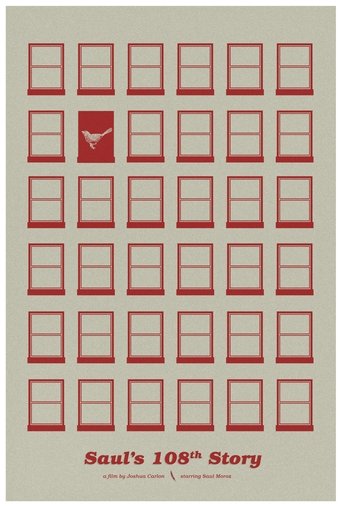
Saul's 108th Story
2018 · ★ 7
As a teenager in 1950 Brooklyn, all Saul wanted to do was hang out with his friends and go to the beach. Instead, he got roped into a dangerous new job, and Saul got in a little over his head.
More info →
New Town Utopia
2018 · ★ 9
What happened when we built Utopia? New Town Utopia is feature documentary about the power of art, architecture, the state of the nation – and some rather angry puppets.
More info →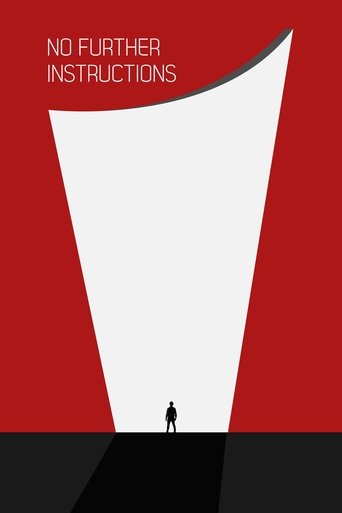
No Further Instructions
2016 · ★ 6
The award winner Japanese architect Toyo Ito designed the International Baroque Museum in Puebla, Mexico. He is well known for his majestic buildings in Europe and Asia that rise with nature inspired geometry and complex shapes that could belong in a fantasy. Nobody knew how to build this project until a team of Mexican constructors accepted the challenge after two years of nobody stepping up to it. But there was a catch. They only had 27 weeks to build something comparable to the Guggenheim in NYC. This is the story of that team who tested the Mexican genius to solve a complex puzzle told by the men and women who made it. On time. On a budget. Against all odds.
More info →
Fata Morgana
1972 · ★ 6.5
Shot under extreme conditions and inspired by Mayan creation theory, the film contemplates the illusion of reality and the possibility of capturing for the camera something which is not there. It is about the mirages of nature—and the nature of mirage.
More info →
The Innocent Door
1973 · ★ 9
A short documentary about urban planning and the harmonisation of old and new building elements in Jerusalem of the 1970's, led by the architect Moshe Safdie.
More info →
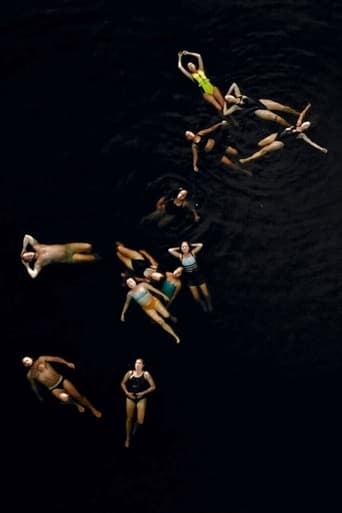
Lake
2019
Lake gazes down at a still body of water from a birds-eye view, while a group of artists peacefully float in and out of the frame or work to stay at the surface. As they glide farther away and draw closer together, they reach out in collective queer and desirous exchanges — holding hands, drifting over and under their neighbors, making space, taking care of each other with a casual, gentle intimacy while they come together as individual parts of a whole. The video reflects on notions of togetherness and feminist theorist Silvia Federici’s call to “reconnect what capitalism has divided: our relation with nature, with others, and our bodies.”
More info →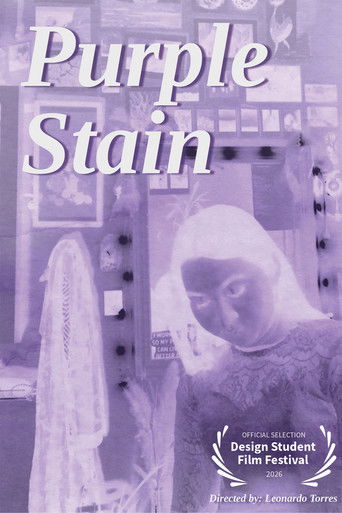
Purple Stain
2026
The film follows an architecture graduate as she reflects on the meaning of home and the labor of making home. Architecture is framed beyond the physical built object: as a second skin that stretches and reconfigures itself as she, too, stretches to be in a new place. The film moves through themes of migration, womanhood, and what it means to be an architect without building, still making architecture constantly, just through different forms.
More info →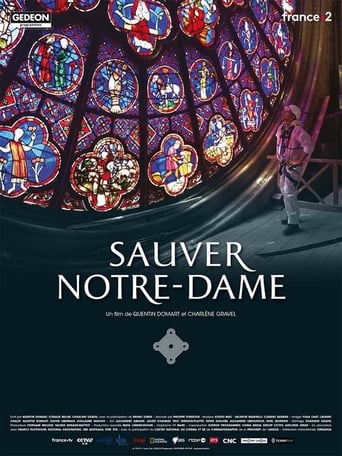
Sauver Notre-Dame
2020 · ★ 8
In the aftermath of the fire that struck Notre-Dame de Paris in 2019, the cathedral is in danger of collapsing. A race against time begins for a hundred men and women who will face danger, the unknown, and toxic lead dust for a year to save this world heritage site. Architects, stonemasons, carpenters, crane operators, scaffolders, rope access technicians, archaeologists: this unique project brings together rare skills. With rare enthusiasm and cohesion, they will achieve numerous technical and human feats. This film recounts the spectacular and moving adventure of these builders fighting to save Notre Dame.
More info →