I Funerali di Giuseppe Verdi
★ 4 · 1901 · 1m · Documentary
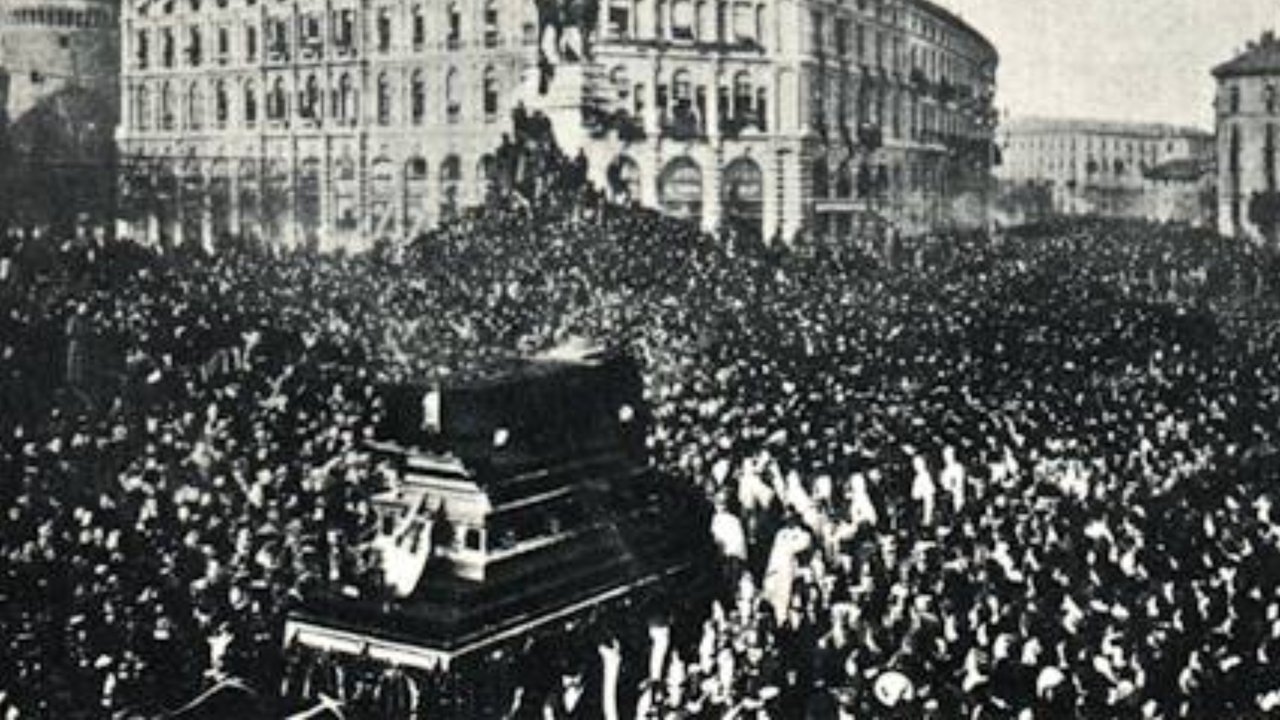
On 28 January 1901 the great musician Giuseppe Verdi died from the consequences of a stroke that had struck him six days earlier. These very rare images, captured in Milan on 27 February 1901 by the operator and pioneer of Milanese cinema Italo Pacchioni, document the transfer of the Maestro's body from the Monumental Cemetery of Milan to the famous retirement home for musicians which he himself founded.
More Like This
The Other Side of Burka
2004 · ★ 7.5
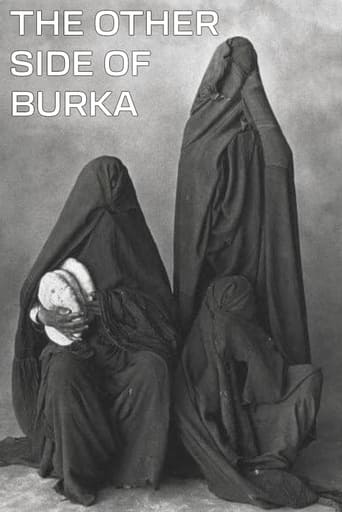
The Other Side of Burka is a 2004 Iranian documentary directed by Mehrdad Oskouei. In the southern island of Qeshm, Iran, which is a very strict region in point of tradition and African-Arabic rules, all women are under the pressure of patriarch society. Their sufferance is manifested by different mental (Zar, Possession) and physical diseases which must be only treated by Zar Ceremony. For the first time, despite the danger these women face, this film tells us the sad story of their life and shows their confection in front of the camera. It tries to be an honest mirror which reflects their sufferance and unveils their Burka to reveal their real characters.
More info →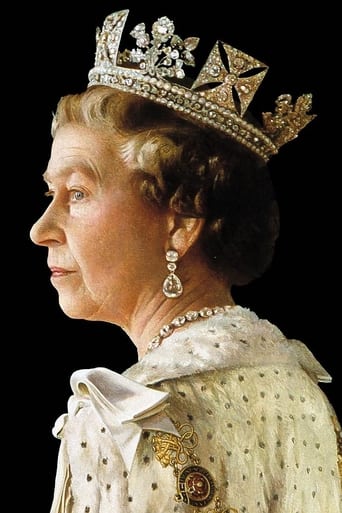
The State Funeral of HM Queen Elizabeth II
2022 · ★ 6.2
Coverage of the State Funeral of HM the Queen, including the service from Westminster Abbey and the procession of Her Majesty’s coffin through London, the journey of The Queen’s coffin to Windsor, the procession to St. George’s Chapel and the Committal Service.
More info →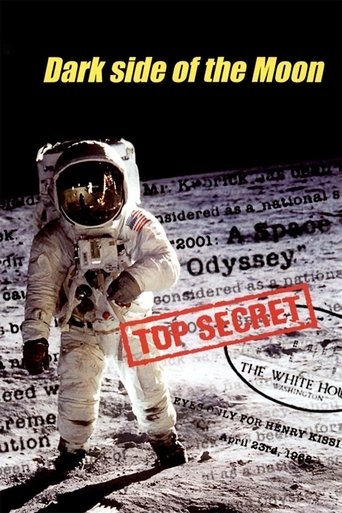
Dark Side of the Moon
2002 · ★ 7.1
A French documentary or, one might say more accurately, a mockumentary, by director William Karel which originally aired on Arte in 2002 with the title Opération Lune. The basic premise for the film is the theory that the television footage from the Apollo 11 Moon landing was faked and actually recorded in a studio by the CIA with help from director Stanley Kubrick.
More info →
Germany in Autumn
1978 · ★ 6.4
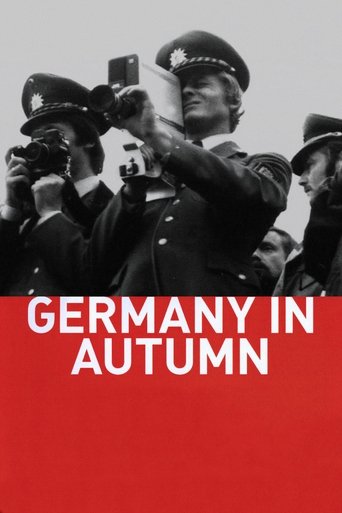
Nine fictitious documentaries and films reflect the mood of late 1970s Germany, particularly the two-month period in 1977 when a businessman was kidnapped by the RAF (Red Army Faction). The kidnap had been made to orchestrate the release of the original leaders of the RAF, aka the Baader-Meinhof.
More info →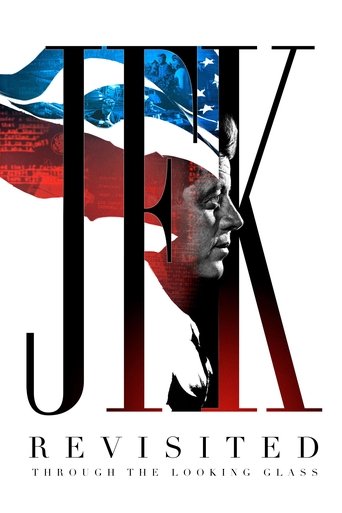
JFK Revisited: Through the Looking Glass
2021 · ★ 7
Thirty years after the release of his film JFK (1991), filmmaker Oliver Stone reviews recently declassified evidence related to the assassination of President John F. Kennedy, which took place in Dallas on November 22, 1963.
More info →
The Battle of France
1964 · ★ 8.5
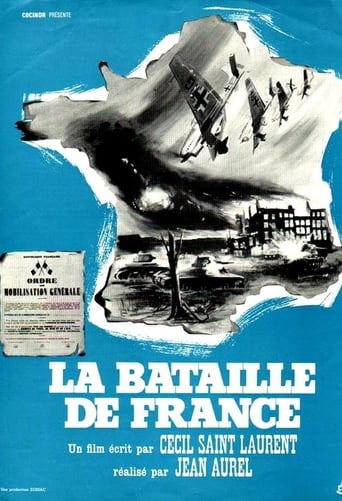
A montage of newscasts tracing the events of the "damned war" and the German invasion of 1940.
More info →
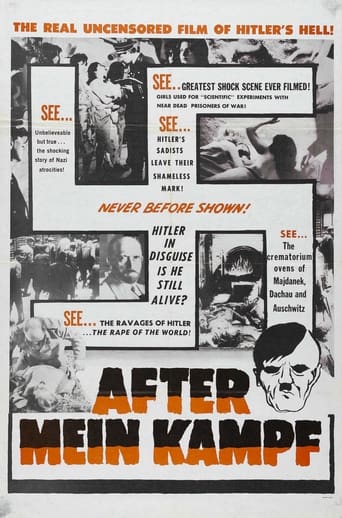
After Mein Kampf?
1961 · ★ 9
By combining actual footage with reenactments, this film offers both a documentary and fictional account of the life of Adolf Hitler, from his childhood in Vienna, through the rise of the Third Reich, to his final act of suicide in the waning days of WWII. The film also provides considerable, and often shocking, detail of the atrocities enacted by the Nazi regime under Hitler's command.
More info →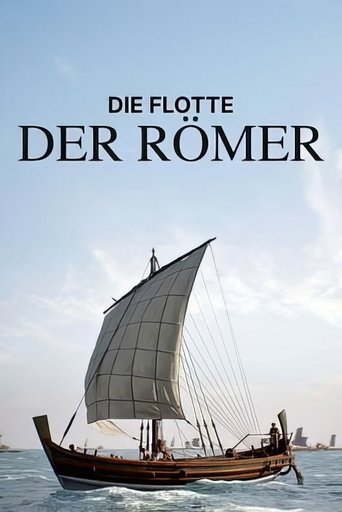
The Roman Fleet
2024 · ★ 7
Between spring and autumn, thousands of ships traversed the Roman Empire to transport goods and troops. For a long time, it was assumed that they primarily followed coastal routes. The Bissula team has reached different conclusions.
More info →