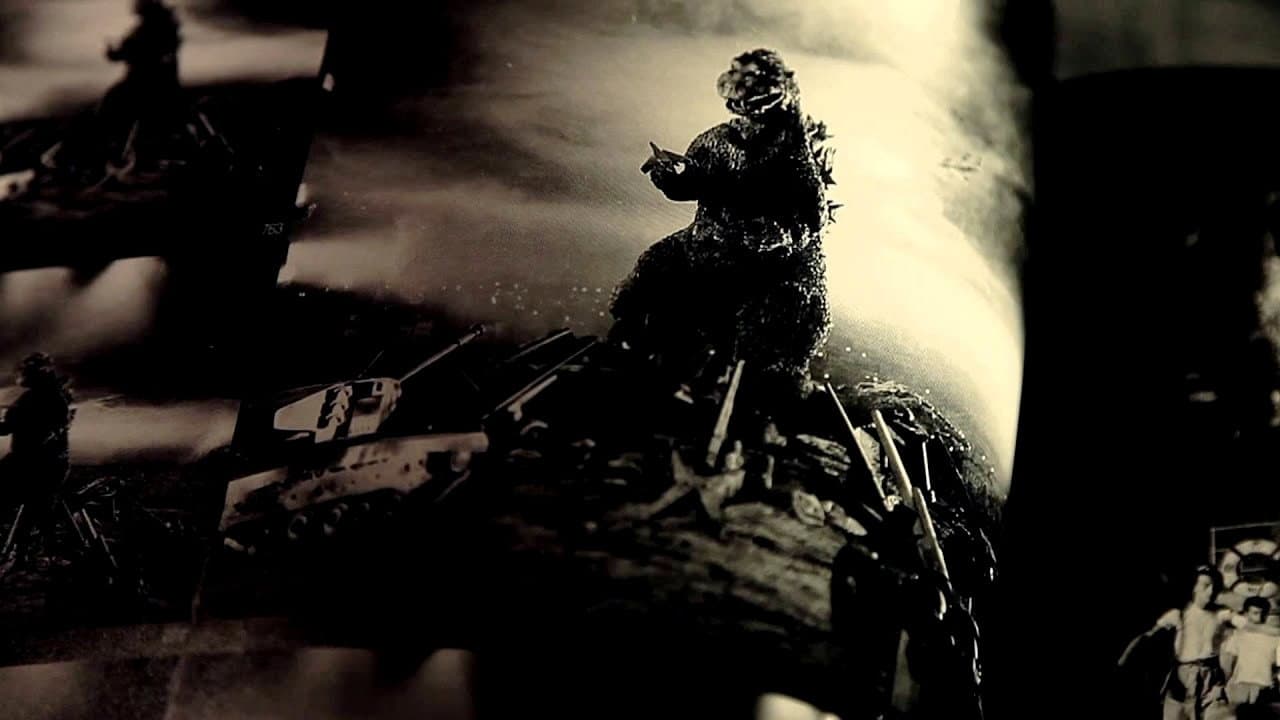
The Dawn of Kaiju Eiga
★ 8.7 · 2019 · 50m · Documentary · History
Japan, 1954. A legend emerges from the ashes of Hiroshima and Nagasaki, devastated by atomic bombs in 1945. The creature's name is Godzilla. The film that tells its story is the first of kaiju eiga, the giant monster movies.
More Like This
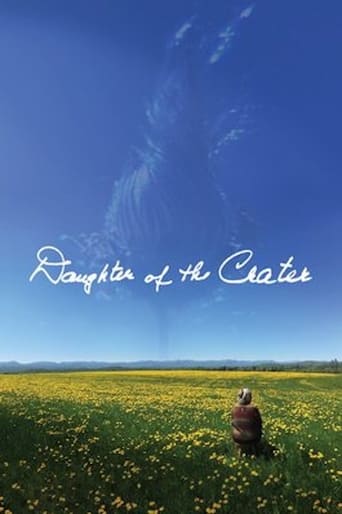
Daughter of the Crater
2019 · ★ 5.5
A woman with a deep love of the land, Yolande Simard Perrault sees her life as having been shaped by a planetary upheaval in Charlevoix, Quebec, millions of years ago. As enduring as the Canadian Shield, she’s a woman of strength and spirit, a child of the crater left by the meteor’s impact. This documentary portrays a determined woman who’s the reflection of a land created on an immense scale. She was the creative and life partner of filmmaker Pierre Perrault, who gave up everything to be by her side. The film charts the influence of her unquenchable dreams and her contribution to the building of a people’s collective memory. In a stream of images and words, Simard Perrault recounts the splendours of the landscape and the people who shaped it. Generous and boundless, she embarks on a quest for identity that nurtures and perpetuates the oeuvre of the man who breathed new life into Quebec cinema.
More info →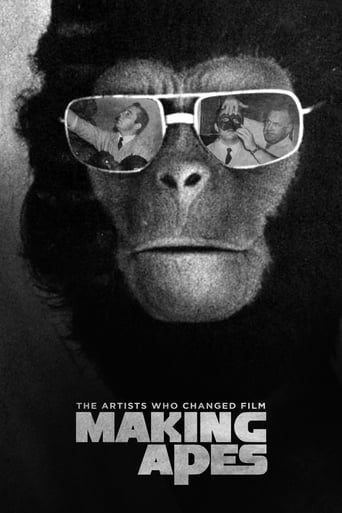
Making Apes: The Artists Who Changed Film
2019 · ★ 6.8
Fifty years after its release, the special effects makeup team behind Planet of the Apes reflect on making the iconic film.
More info →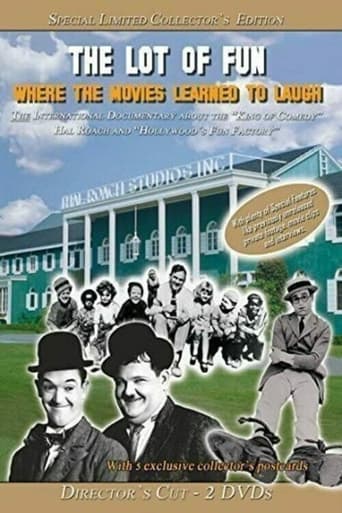
The Lot of Fun: Hollywood’s Fun Factory
2014 · ★ 7
A documentary about film producer Hal Roach.
More info →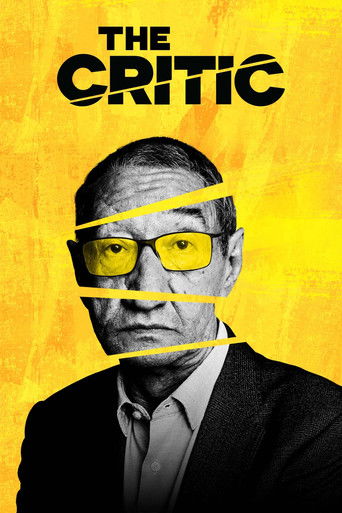
The Critic
2022 · ★ 6
A portrait of film critic Carlos Boyero, one of the most followed and feared figures in Spanish cinema, surrounded by controversy and both love and hate.
More info →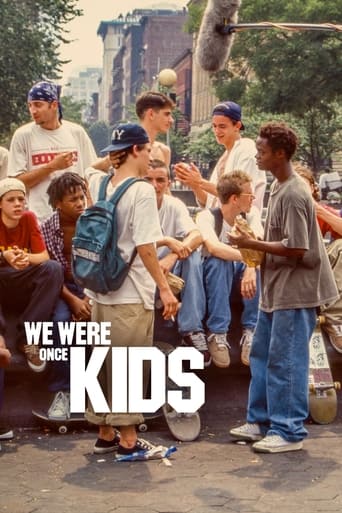
We Were Once Kids
2021 · ★ 7.5
In the early nineties, before the massive gentrification of many of New York's then slums, several young people from very disparate backgrounds left their broken homes and ventured onto the brutal streets of the city. United by their love of skateboarding, they formed a family and built a unique lifestyle that eventually inspired Kids, a groundbreaking and outrageous film directed by photographer Larry Clark and released in 1995.
More info →Auge in Auge - Eine deutsche Filmgeschichte
2008 · ★ 6.3
This is not merely another film about cinema history; it is a film about the love of cinema, a journey of discovery through over a century of German film history. Ten people working in film today remember their favourite films of yesteryear.
More info →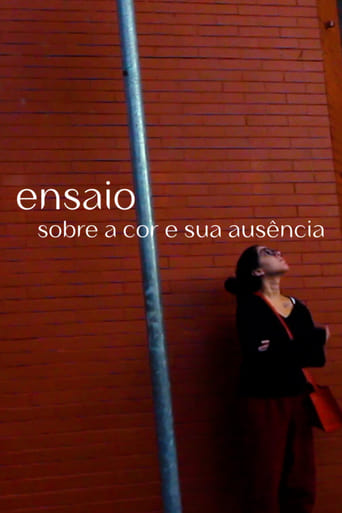
Essay on color and its absence
2022
An experiment and a dialogue about recording, the act of filming and the colors available to whoever points the camera somewhere.
More info →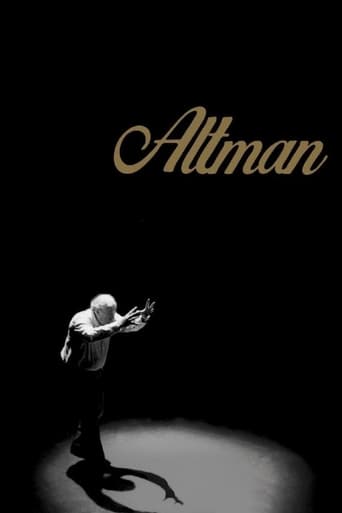
Altman
2014 · ★ 6.6
Robert Altman's life and career contained multitudes. This father of American independent cinema left an indelible mark, not merely on the evolution of his art form, but also on the western zeitgeist. With its use of rare interviews, representative film clips, archival images, and musings from his family and most recognizable collaborators, Altman is a dynamic and heartfelt mediation on an artist whose expression, passion and appetite knew few bounds.
More info →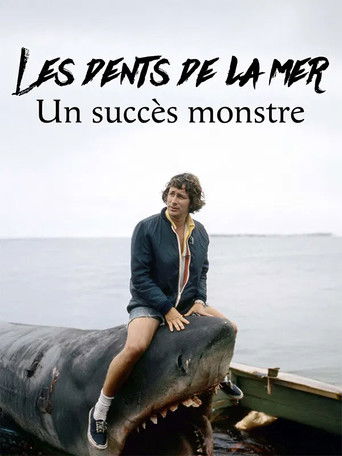
Jaws, a Monstrous Success
2024 · ★ 6.3
In the summer of 1975, the young director Steven Spielberg set new standards for cinema worldwide with an oversized shark bite, a plastic shark fin and an unmistakable two-note main theme composed by John Williams. With the horror from the deep, a man-eating, gigantic great white shark, the film of the same name became a similarly traumatic reference as Alfred Hitchcock's "Psycho": it triggered lasting primal fears across generations. On the beaches of the world, there was clearly a "before" and an "after". Steven Spielberg, who was only 28 at the time, not only set new standards for the thriller genre, but also hid his biting criticism of US capitalism in the 1970s behind it.
More info →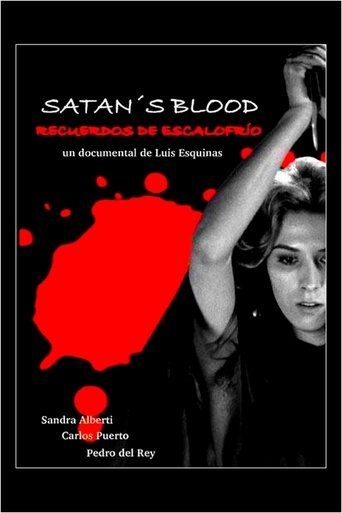
Satan's Blood: recuerdos de «Escalofrío»
2016 · ★ 6
The story of the shooting of Satan's Blood (Escalofrío), a film directed by Carlos Puerto in 1978.
More info →
Las cinéphilas
2017 · ★ 6.2
Six elderly retired women, two from Buenos Aires, Argentina; two from Montevideo, Uruguay; and two from Madrid, Spain, have something in common, despite their different interests and lives: they go to the movies almost every day.
More info →
Stories of Our Cinema
2019 · ★ 6.3
In Spain, on May 11, 1896, at the Price circus, the first moving images ever shown in the country are projected. From that event, the Spanish actor Antonio Resines intends to compile a series of anecdotes to shape the amazing history of Spanish cinema, holding several conversations with prominent figures of the Spanish film industry.
More info →