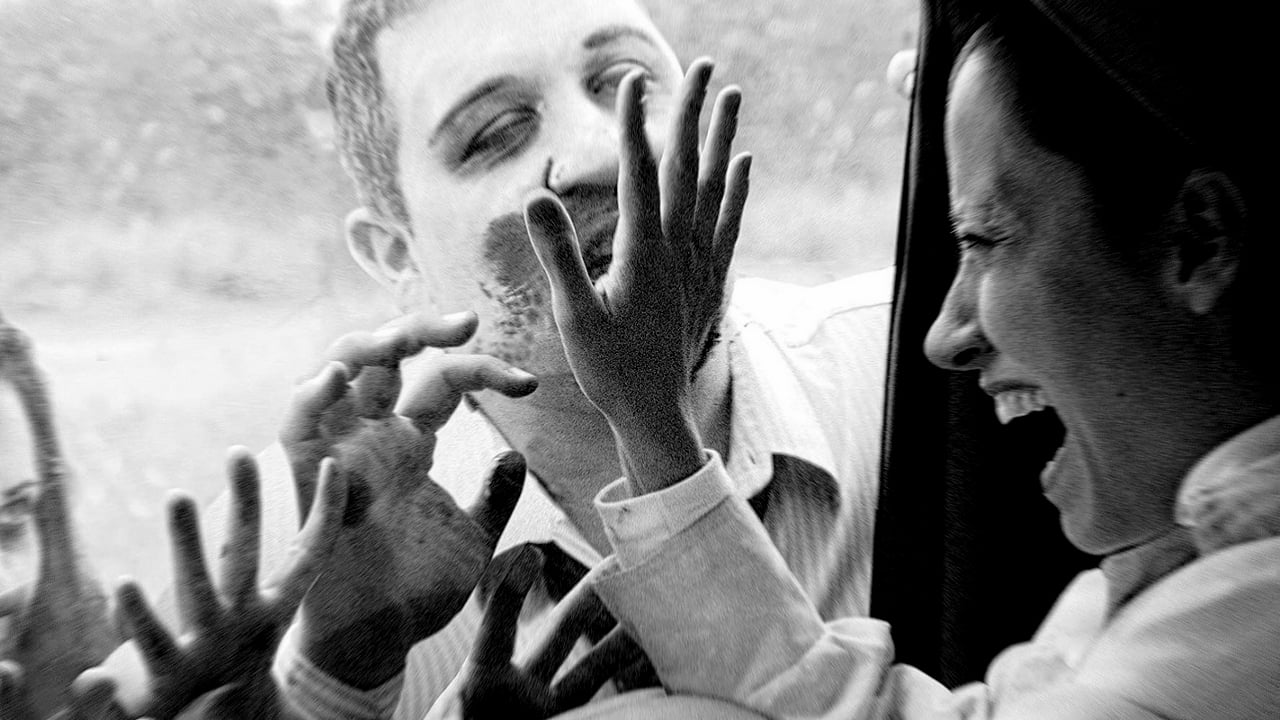
Zombies in the Sugar Cane Field: The Documentary
★ 7.8 · 2019 · 89m · Documentary
Tucumán, Argentina, 1965. Three years before George A. Romero's Night of the Living Dead was released, director Ofelio Linares Montt shot Zombies in the Sugar Cane Field, which turned out to be both a horror film and a political statement. It was a success in the US, but could not be shown in Argentina due to Juan Carlos Onganía's dictatorship, and was eventually lost. Writer and researcher Luciano Saracino embarks on the search for the origins of this cursed work.
More Like This
What the #$*! Do We (K)now!?
2004 · ★ 5.3
Amanda is a divorced woman who makes a living as a photographer. During the Fall of the year Amanda begins to see the world in new and different ways when she begins to question her role in life, her relationships with her career and men and what it all means. As the layers to her everyday experiences fall away insertions in the story with scientists, and philosophers and religious leaders impart information directly to an off-screen interviewer about academic issues, and Amanda begins to understand the basis to the quantum world beneath. During her epiphany as she considers the Great Questions raised by the host of inserted thinkers, she slowly comprehends the various inspirations and begins to see the world in a new way.
More info →
In a Strange Room
2020
In the summer of 2008, Enzo travels to Berlin to work on a creative documentary and find a former lover.
More info →
Marriage in the Making
2025
A documentary investigation into an absurd case: a voided marriage, a rock star, a supermarket trolley driver, and a dwarf in the woods.
More info →
Bombshell: The Hedy Lamarr Story
2018 · ★ 6.9
The life and career of the hailed Hollywood movie star and underappreciated genius inventor, Hedy Lamarr.
More info →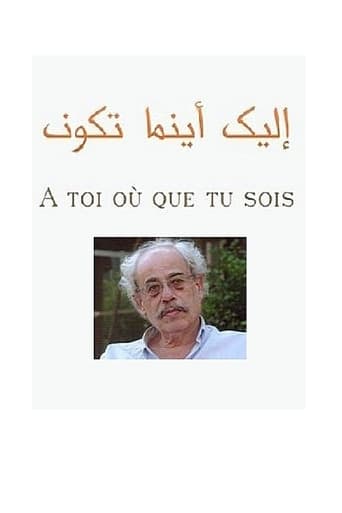
To You, Wherever You Are
2001
After “Letter From a Time of Exile”, the director is back in Lebanon where he discovers that his dreams about his country are an illusion and that the exile in your homeland is by far the worst exile. Programmer's Note: Borhane Alaouié returns to Beirut from his exile. His documentary film constitutes a new letter at the start of the 21st century in reply to the letters of the 1980s. The reconstruction process appears to affect stones more than people.
More info →
Personal Che
2007 · ★ 10
A documentary that explores the myth behind the truth. Different people around the globe reinterpret the legend of Che Guevara at will: from the rebel living in Hong Kong fighting Chinese domination, to the German neonazi preaching revolution and the Castro-hating Cuban. Their testimonies prove that the Argentinian revolutionary's historical impact reverberates still. But like with all legends, each sees what he will, in often contradictory perspectives.
More info →
Bond on Location
2012 · ★ 6
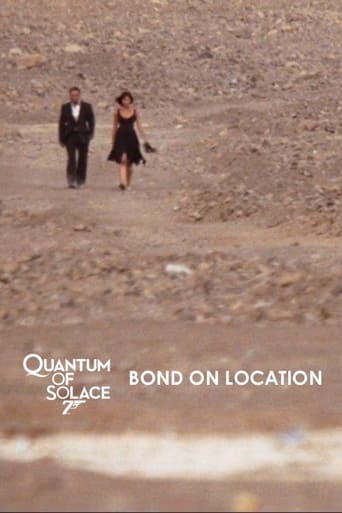
Behind the scenes of shooting in various notoriously difficult locations, including interviews with producers and lead actors.
More info →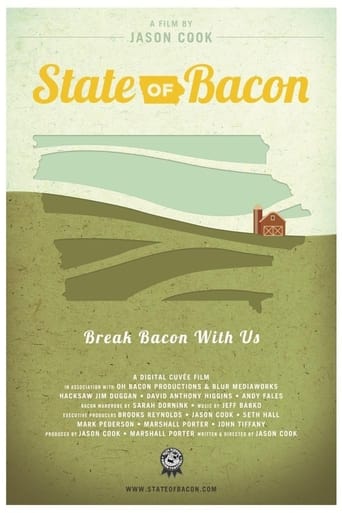
State of Bacon
2014
State of Bacon tells the kinda real but mostly fake tale of an oddball group of characters leading up to the annual Blue Ribbon Bacon Festival. Bacon-enthusiasts, Governor Branstad, a bacon queen, Hacksaw Jim Duggan, members of PETA, and an envoy of Icelanders are not excluded from this bacon party and during the course of the film become intertwined with the organizers of the festival to show that bacon diplomacy is not dead.
More info →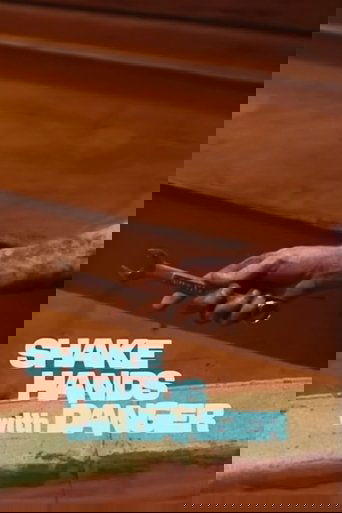
Shake Hands with Danger
1980 · ★ 5.2
This short cautionary training film examines dangers associated with earthmoving equipment operation, showing many simulated accidents on construction sites.
More info →
The Conspiracy Mindset
2025
A failed documentary became something more. When every participant disappeared, only the conversations remained-highlighting the contradictions, quirks, and the underlying motivations behind their convictions.
More info →