Fredens port
★ 9 · 1996 · 30m · Documentary
In a culture where cremation is unusual, cemeteries fill up rapidly. In Latin America and in some other places, to solve the problem, remains are frequently exhumed. In Cuba, two year after interment. Relatives are invited to observe the little ritual. The music of the film is drawn from requiems from different periods. Twelve pieces by seven different composers are quoted. Together, they make up a traditional requiem, although only a few passages from the "dies irae" have been included, and other sections are slightly abbreviated.
More Like This
So Near... So Far
2017
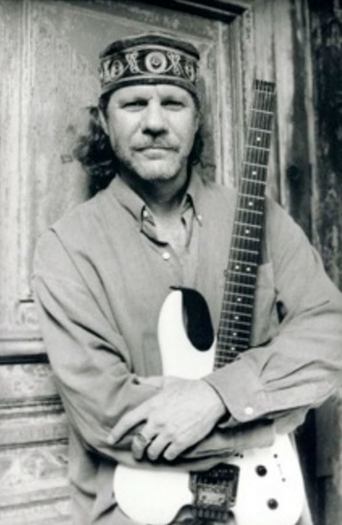
The young American Pablo Menéndez came to Cuba to study Music at the National School of Art. Here he formed a family and became one more Cuban. Member of the Sound Experimentation Group of ICAIC and promoter of the teaching of the electric guitar in Cuba, he is, together with his group Mezcla, one of our most original musicians.
More info →
Sicko
2007 · ★ 7.4
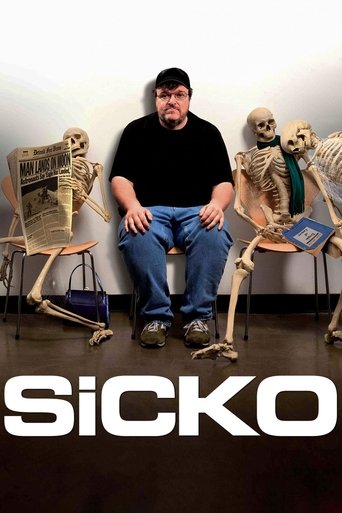
A documentary about the corrupt health care system in The United States whose main goal is to make profit even if it means losing people’s lives. "The more people you deny health insurance, the more money we make" is the business model for health care providers in America.
More info →
AHORA SI LLEGO!
2015 · ★ 10
The first Road Movie feature film made by the Italian artist Sanzi together with the Cuban Balboa is inspired by friendship, the island and the motorbike. The two artists used, for the first time in Cuba, the form of the Road Movie--the cinematic genre the plot of which is developed during a trip.
More info →
Personal Che
2007 · ★ 10
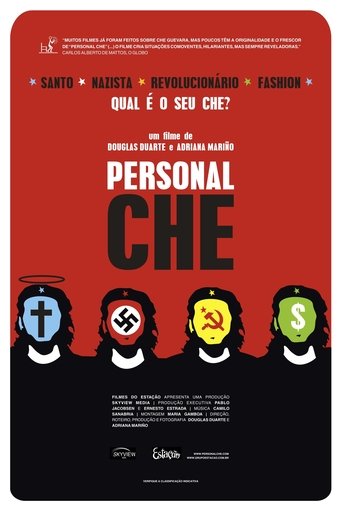
A documentary that explores the myth behind the truth. Different people around the globe reinterpret the legend of Che Guevara at will: from the rebel living in Hong Kong fighting Chinese domination, to the German neonazi preaching revolution and the Castro-hating Cuban. Their testimonies prove that the Argentinian revolutionary's historical impact reverberates still. But like with all legends, each sees what he will, in often contradictory perspectives.
More info →
Supermalo
2021
As the walls of Cuba's ageing infrastructure continue to crumble, a burgeoning street art scene is born in Havana. Murals of hand-painted masked character – Supermalo – with the tag “2+2=5?” have begun to appear in seemingly every corner of the heavily foot trafficked city.
More info →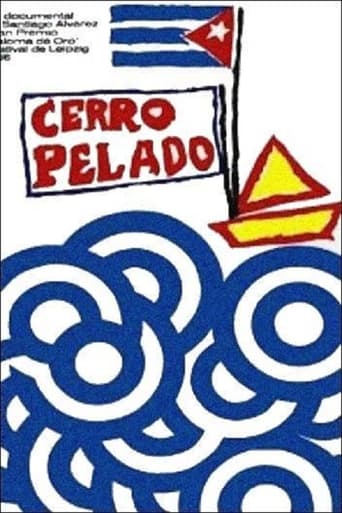
Cerro Pelado
1966 · ★ 5.7
A ship of athletes training on the rough seas becomes a symbol of Castro’s Cuba, the games projected on the backdrop of political struggle. This is the story of a ship and of a sports delegation whom the enemy tried to stop from participating in the Tenth Central American and Caribbean Games.
More info →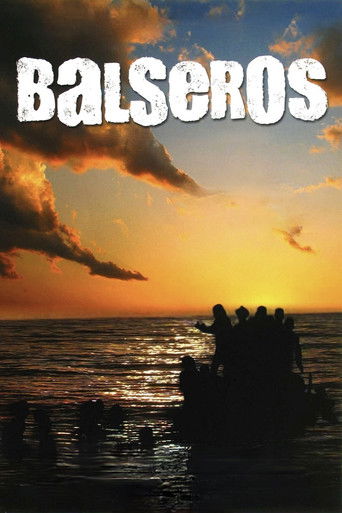
Balseros
2002 · ★ 6.5
In the summer of 1994, a team of public television reporters filmed and interviewed seven Cubans a few days before their risky venture of setting out to sea in homemade rafts to reach the coast of the United States. Six made it far enough to be picked up at sea by the U.S. Coast Guard. When these balseros (rafters) were finally allowed to go to the United States, the film crew went with them to a string of several cities. Seven years later, the film crew visits them again, to discover that their destiny has been in the United States. Theirs is a true story about some of the authentic survivors of our times, the human adventure of people who are shipwrecked between two worlds.
More info →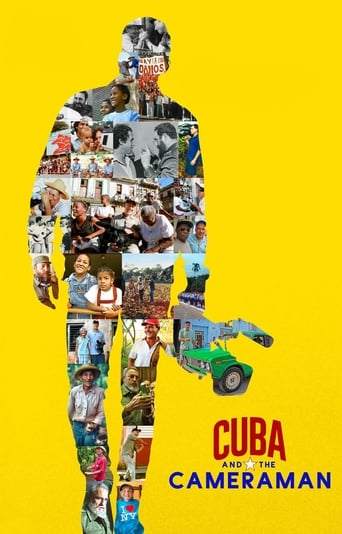
Cuba and the Cameraman
2017 · ★ 7.5
This revealing portrait of Cuba follows the lives of Fidel Castro and three Cuban families affected by his policies over the last four decades.
More info →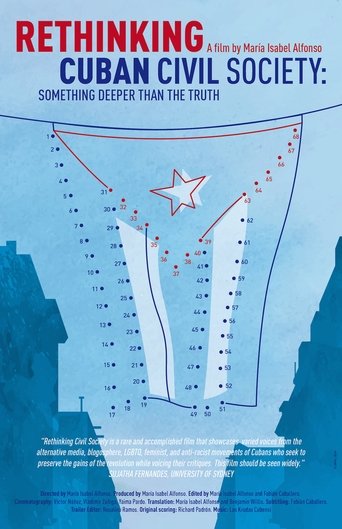
Rethinking Cuban Civil Society
2019 · ★ 5
The notion of a Cuban civil society is often misrepresented in the U.S. mainstream media. According to most sources, Cuban civil society is limited to the opposition, which has little impact on the Cuban political scenario. Regardless, yearly, the U.S. government allocates tens of millions of taxpayer money to empower dissidents in the island. By doing so, it overlooks genuine expressions of pluralism, reform and contestation which are shaping the Cuban public sphere, sometimes in autonomous ways, sometimes within State-run institutions. Through in-depth interviews to members of Cuban Civil society, this documentary explores the complexities associated to these processes, following the itinerary of the debate about the concept of civil society generated in Cuba, since the 90s to the present.
More info →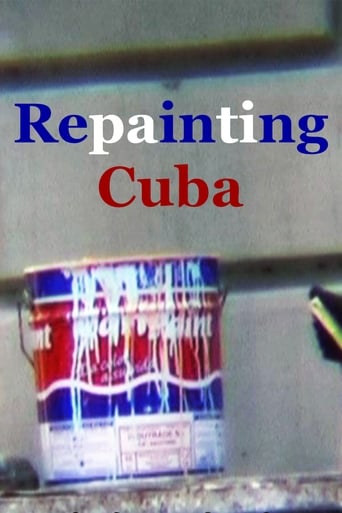
Repainting Cuba
2009 · ★ 5
Repainting Cuba takes a critical look at communist Cuba, where both the facades and the aging regime were given a coating of colorful paint in connection with the 50 year anniversary of the revolution. Two young Cubans under house arrest talk about being imprisoned for dealing with foreign tourists in a society where gossip and backstabbing is endemic, and where the heavy varnish can’t conceal the cracks.
More info →