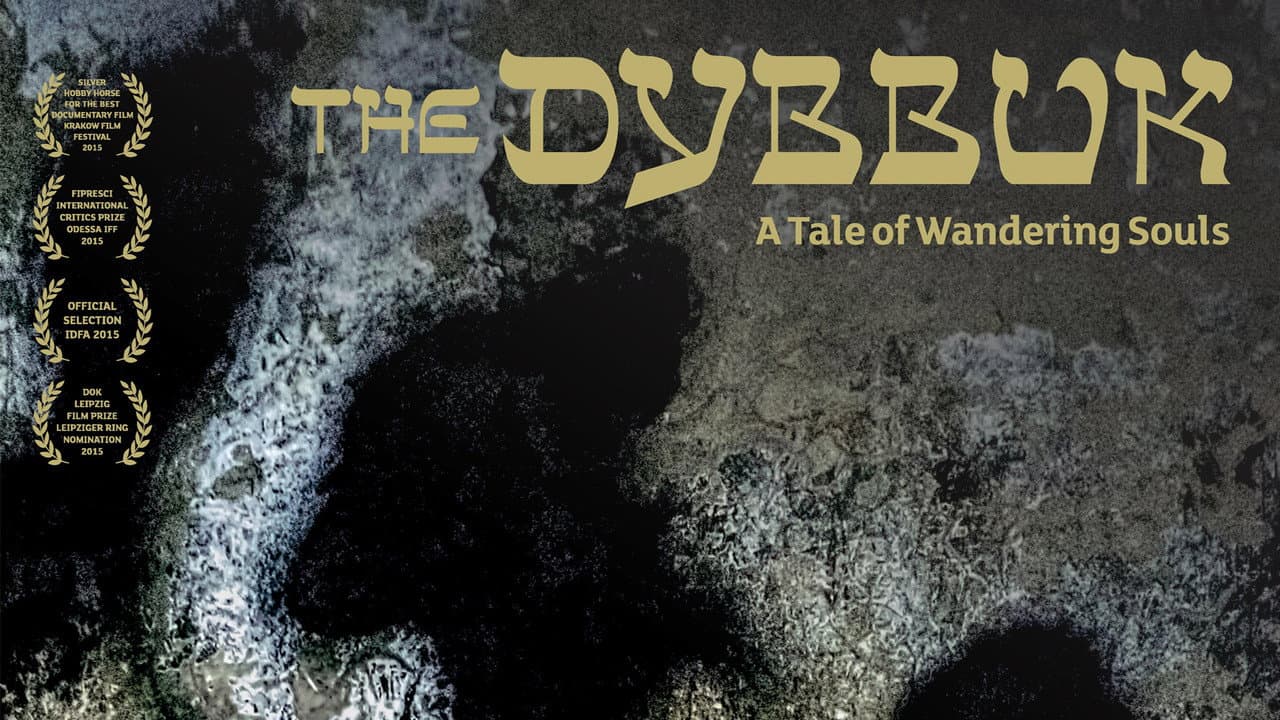
The Dybbuk: A Tale of Wandering Souls
2015 · 86m · Documentary
30 thousand Hasidim journey to Uman in Ukraine to celebrate the Jewish New Year at the gravesite of Rebbe Nachmann. A Ukrainian far-right group erects a cross at the site of Hasidic prayers and builds a monument to Cossacks who slaughtered thousands of Jews and Poles in 1768.
More Like This
School Number 3
2017 · ★ 9.5
In the familiar surroundings of their everyday lives, they talk about things that matter to them, about experiences that move them, about first love and loss, hopes and fears. 13 adolescents from a school in Donbass which was destroyed during the war in Ukraine, and subsequently rebuilt, share themselves in front of the camera. 13 lives inhabiting an intermediary space, both emotionally and socially.
More info →
Impreza
2017 · ★ 6
The whole family is helping with preparations for Danuta and Maciej’s golden wedding anniversary party. Danuta knows exactly what she wants and delegates her wishes to those around her. Her German niece Alexandra, the maker of this film, has travelled to Warsaw to take part. Barely has she sat down at the kitchen table when a heated discussion ensues. Be it abortion or migration, it soon dawns on Alexandra that her view of the world could not be more different from that of her right-wing conservative relatives in Poland. Alone in her ‘liberal’ view Alexandra is mocked as a victim of western propaganda… Filmmaker Alexandra Wesolowski uses a family gathering as an opportunity to portray her own family and allows us intimate insight into Polish society and the populist national-conservative Europe of today.
More info →
Polonia: ¿zona libre de LGTBI?
2021 · ★ 5.2
Jon Sistiaga takes an immersive trip to Poland, a country divided into two zones: on the one hand, the urban and pro-European, and on the other, the rural and ultra-Catholic, still anchored in the traumas of the war and the post-war period. Is Poland a homophobic country or does it have a homophobic government? How does the European Union allow this situation?
More info →
Carpatia
2004 · ★ 6.3
This mountain region that reaches across several countries in Eastern Europe is the home to gold diggers, wizards, cow herders and old Hassids.
More info →
Besa: The Promise
2012 · ★ 10
A documentary exploring how Albanians, including many Muslims, helped and sheltered Jewish refugees during WWII at their own risk, and trying to help the son of an Albanian baker that housed a Jewish family for a year return some Hebrew books that the family had to leave behind.
More info →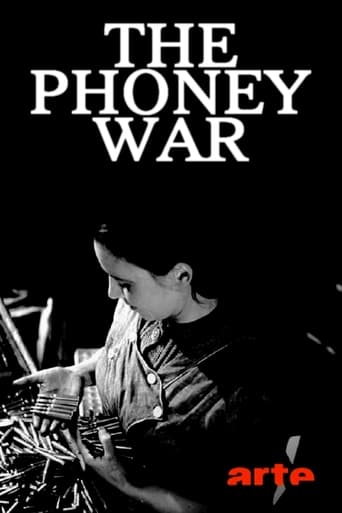
The Phoney War
2019 · ★ 8
September 3rd, 1939. Britain and France declare war on Nazi Germany, only two days after the Wehrmacht invades Poland. This day, the sad date when the fate of the world changed forever, the Phoney War began: eight months of uncertainty, preparations, evacuations and skirmishes.
More info →
Poland: A Nation under Stress
2023
In the run-up to parliamentary elections in mid-October, Polish filmmaker Marcin Wierzchowski travelled across his country to gauge the atmosphere in a society that is more divided than ever.
More info →
Rain Project
2017
Armed with his brushes, the mural painter Gamlet Zinkivsky roams the streets of the Ukrainian city of Mariupol, 20 km from the front line. The artist's initiative does not go unnoticed.
More info →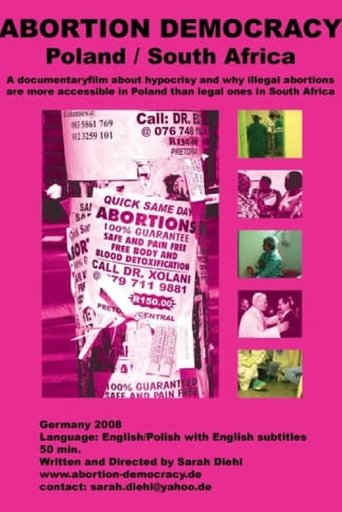
Abortion Democracy: Poland/South Africa
2008 · ★ 6.8
Why are illegal abortions more accessible in Poland than legal ones in South Africa? This documentary feature explores and contrasts changes in Poland and South Africa regarding abortion laws and their impact on the lives of women. In the 90's, Poland banned abortion due to the increasing influence of the Catholic Church after the fall of communism; around the same time South Africa legalized it, reforming the health system after the fall of apartheid. The film reveals how the legal status of women is a direct result of the silencing or empowering of women's voices. In the Polish society and media, women's perspectives were made invisible; in South Africa, on the other hand, they were invited to give public hearings in the parliament about problems in the realm of reproduction.
More info →