Von Schlagrahmdampfern und anderen verlorenen Dingen
★ 7 · 2020 · Documentary
Not everyone who nowadays drives on the A73 between Nuremberg and Bamberg knows that they are travelling on a former waterway. As recently as half a century ago, the old Ludwig-Main-Danube-Canal (in short: Ludwig-Canal) was located here, which represented the last puzzle piece of a navigable connection between the oceans. Built within a remarkable ten years’ time of construction, the canal, which was opened in 1846, was the realization of a small dream of humanity as it finally connected the North Sea with the Black Sea. Unfortunately, the idea could not support itself financially: Too powerful were the railroads, which saw their rise simultaneously, and which soon undermined the ambitious canal project’s future as they were in every regard the faster, more comfortable, and better means of transportation of the hour.
More Like This
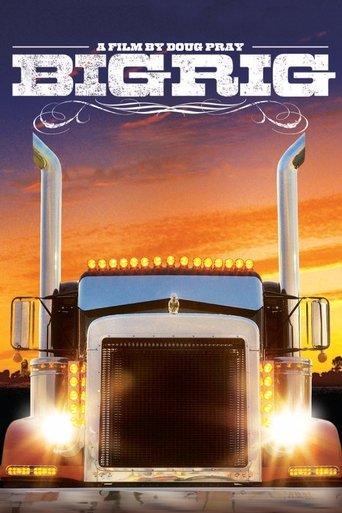
Big Rig
2007 · ★ 5.8
Big Rig (2008) is a documentary film by Doug Pray about long-haul truck drivers. The film consists of a series of interviews with different drivers, focusing on both their personal life stories and also the life and culture of truck drivers in the United States.
More info →Die Hugenottenstadt Erlangen. Eine der interessantesten Städteanlagen Deutschlands
1931
A silent documentary film about the history and the architecture of the town of Erlangen in the Middle Franconia region in Bavaria, Germany.
More info →Broad Waterways
1959
'Water', says the transport man, 'is lovely stuff' - and the development plan for British Waterways is based on this belief. The film shows parts of the plan in action, then goes to the N.E. Division, where a skipper is taking 110 tons of newsprint from Hull to Nottingham. 'As a drink', says the transport man, 'you may not think much of it. But used like this...'
More info →Das Zugunglück von Radevormwald – Leben mit der Katastrophe
2021
May 27th, 1971 was a rainy day. In the small town Radevormwald, the world seems to be still in order. But on this day, 46 people die in a train crash, amongst them 41 schoolchildren. Since then, Radevormwald has been connected with one of the worst railway catastrophes of Germany. The touching documentary reconstructs the tragedy and shows how much the event still influences the life in the town until today.
More info →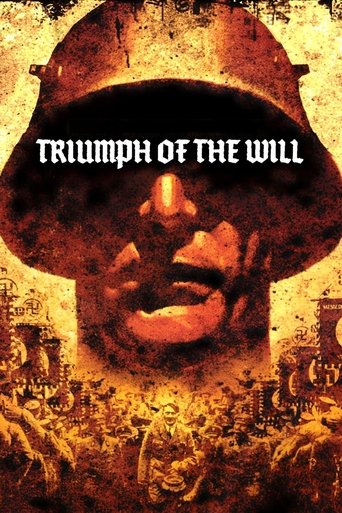
Triumph of the Will
1935 · ★ 6.9
A showcase of German chancellor and Nazi Party leader Adolf Hitler at the 1934 Nuremberg Rally.
More info →Die Dichter und die Räterepublik
1990 · ★ 6
Documentary film with play scenes about the rise and fall of the short-lived Bavarian Soviet Republic in 1919 from the perspective of various well-known poets and writers who experienced the events as contemporary witnesses.
More info →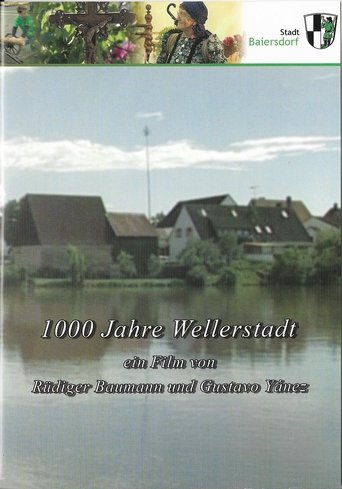
1000 Years of Wellerstadt
2007
In a document from November 1st, 1007, Wellerstadt is mentioned for the first time verifiably. The royal couple Heinrich and Kunigunde make the plan to establish a diocese, with Bamberg at its centre. During the imperial synod in Frankfurt in 1007, the bishops approve the plan. Heinrich transfers his royal court Forchheim together with 14 villages, including Wellerstadt, to the diocese. As “Waldrichesbach”, Wellerstadt is not only presumably earlier mentioned in documents than Baiersdorf but is in fact older than Baiersdorf. A once presumably Thuringian settlement at the river Regnitz has by now become the district of the small Franconian town of Baiersdorf: Founded at a ford, destroyed during the Thirty Year’s War, rebuild, often flooded by the Regnitz, pushed back and forth between the diocese and the margraviate. Waldrichesbach has turned into Wellerstadt, an endearing small village in Middle Franconia.
More info →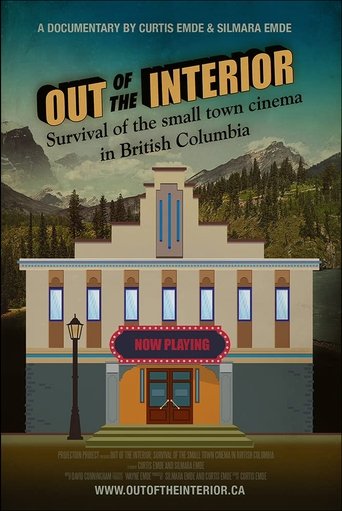
Out of the Interior: Survival of the small-town cinema in British Columbia
The hard-working cinema owners and operators of the small towns found in BC's southern interior are doing more than showing movies and selling popcorn––they are bringing their communities together.
More info →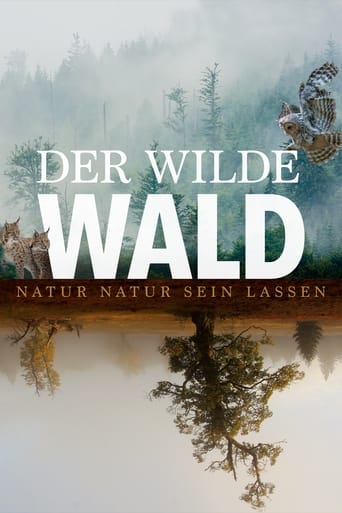
The Wild Forest
2021 · ★ 7.3
“Let nature be nature” is the philosophy of the Bavarian Forest National Park. Despite massive resistance, this vision has become a groundbreaking showcase project. Because humans do not interfere with nature, the former commercial forests grow into a primeval forest, a unique ecosystem and a refuge for biodiversity. People from all over the world come here. They are looking for answers to the question of why we need more wild nature and what we can learn from it to preserve forests for future generations in times of climate change.
More info →Erlangen als historische Stadtanlage
1984
A documentary about the history and the urban development of the city of Erlangen in northern Bavaria, Germany.
More info →Schienen zum Nachbarn - Teil 2
1993
Second part of a two-part documentary about the now largely defunct network of local railways in the areas around Erlangen and Forchheim, Germany.
More info →