Memory Books
2008 · 90m · Documentary
In Uganda, AIDS-infected mothers have begun writing what they call Memory Books for their children. Aware of the illness, it is a way for the family to come to terms with the inevitable death that it faces. Hopelessness and desperation are confronted through the collaborative effort of remembering and recording, a process that inspires unexpected strength and even solace in the face of death.
More Like This

Dead Gay Men and Living Lesbians
2008 · ★ 4.4
As a result of the Holocaust and later, AIDS, the male homosexual community has sustained bitter losses and, according to Praunheim, lesbian women have now placed themselves at the head of the so-called queer movement. The female protagonists in the film represent two different generations; they also incorporate the past and present status of homosexuals in society.
More info →
Elton John: A Singular Man
2016 · ★ 6.2
An in-depth portrait of British composer, pianist and singer Elton John, pop star and myth of modern culture.
More info →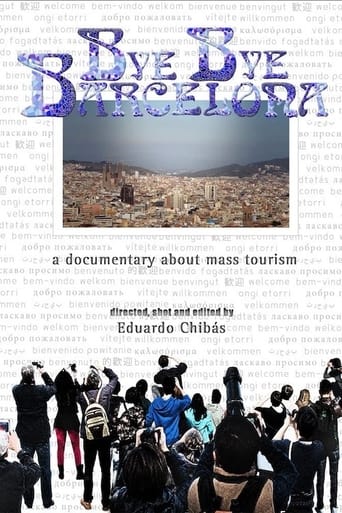
Bye Bye Barcelona
2014 · ★ 5.5
Bye Bye Barcelona is a documentary about a city and its relation to tourism , on the difficult coexistence between Barcelona the city and Barcelona the tourist destination
More info →The Lost World of the Seventies
2012
Michael Cockerell sheds new light on the tragi-comedy of the 1970s by focusing on some of its most controversial characters. With fresh filming and new interviews, along with a treasure trove of rare archive, the film presents the inside story of giant personalities who make today's public figures look sadly dull in comparison. The well-known journalist revisits some of his films on the big characters who helped shaped the 1970s in Britain. Both tragic and comic, it highlights just how much our world has changed in four decades.
More info →

Fa.mí.li.a
2025
Four families recount how they met and formed their families at a time when marriage and civil unions were denied to LGBT+ people. The film demonstrates what homophobia seeks to attack: love and family.
More info →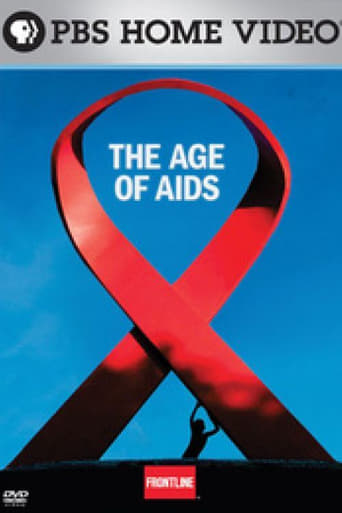
The Age of AIDS
2006 · ★ 10
After a quarter-century of political denial and social stigma, of stunning scientific breakthroughs, bitter policy battles and inadequate prevention campaigns, HIV/AIDS continues to spread rapidly throughout much of the world. Through interviews with AIDS researchers, world leaders, activists, and patients, FRONTLINE investigates the science, politics, and human cost of this fateful disease and asks: What are the lessons of the past, and what can be done to stop AIDS?
More info →
2 or 3 Things I Know About Him
2005 · ★ 6.6
What would your family reminiscences about dad sound like if he had been an early supporter of Hitler’s, a leader of the notorious SA and the Third Reich’s minister in charge of Slovakia, including its Final Solution? Executed as a war criminal in 1947, Hanns Ludin left behind a grieving widow and six young children, the youngest of whom became a filmmaker. It's a fascinating, maddening, sometimes even humorous look at what the director calls "a typical German story." (Film Forum)
More info →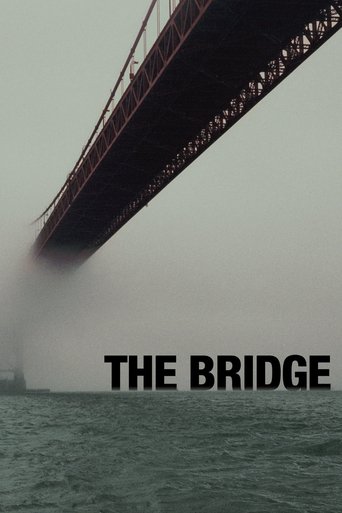
The Bridge
2006 · ★ 6.8
The Bridge is a controversial documentary that shows people jumping to their death from the Golden Gate Bridge in San Francisco - the world's most popular suicide destination. Interviews with the victims' loved ones describe their lives and mental health.
More info →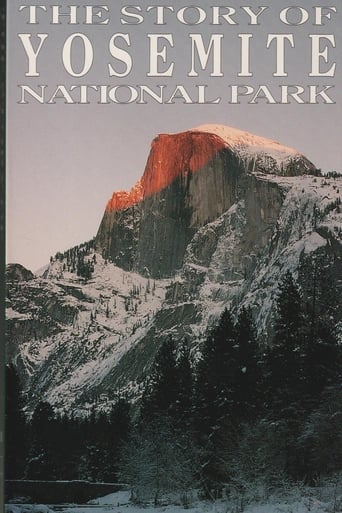
The Story of Yosemite National Park
1991
Mountain men Joseph R Walker was probably the first non-Indian to see Yosemite, in 1833, but not until the California militia entered the valley rounding up the Ahwahneechee Indians was the region discovered. In June, 1864, President Abraham Lincoln signed the Yosemite Grant, making it a California State Park. It became famous through the writings of Horace Greeley and the efforts of John Muir. Cinematographer Dennis Burkhart captures in this video the magnificence of Yosemite Valley (El Capitan, Bridalveil Fall, Half Dome), the High Sierra (John Muir Trail, Tuolumne Meadows, Tioga Pass) and the Mariposa Grove of giant sequoias. The camera catches the wildlife that roams the 1,1170 square miles of Yosemite, i.e. the mule deer, mountain lion, black bear, coyotes, bighorn sheep, and the rare peregrine falcon. This video reveals why 3.8 million visitors come each year and stand before awe-inspiring panoramas they will never forget.
More info →