Test of a clean hydrogen bomb with a yield of 50 megatons
1961 · 40m · Documentary
Documentary movie about testing of the largest nuclear weapon in history, the Tsar Bomba. Declassified and made available to the public in 2020.
More Like This
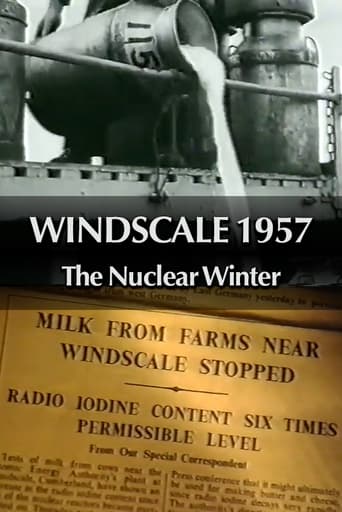
Windscale 1957: The Nuclear Winter
1996
In October 1957, one of the Windscale nuclear reactors caught fire. It was the world's first nuclear accident, attributed to the rush to build atomic weapons. This programme highlights the mistakes leading to a nuclear event which, 40 years on, still takes second place only to Chernobyl.
More info →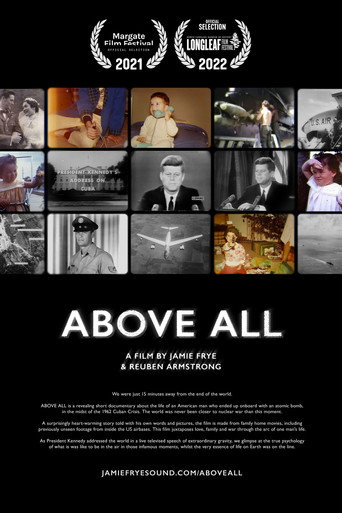
Above All
2022 · ★ 10
We were just 15 minutes away from the end of the world. ABOVE ALL is a revealing short documentary about the life of an American man who ended up onboard with an atomic bomb, in the midst of the 1962 Cuban Crisis. The world was never been closer to nuclear war than this moment. A surprisingly heart-warming story told with his own words and pictures, the film is made from family home movies, including previously unseen footage from inside the US airbases. This film juxtaposes love, family and war through the arc of one man’s life. As President Kennedy addressed the world in a live televised speech of extraordinary gravity, we glimpse at the true psychology of what is was like to be in the air in those infamous moments, whilst the very essence of life on Earth was on the line.
More info →
The Day Called X
1957
Portentously portrays the evacuation of Portland, Oregon, when threatened by a nuclear attack on its state-of-the-art civil defense system.
More info →
The Journey
1987 · ★ 4.6
Peter Watkins' global look at the impact of military use of nuclear technology and people's perception of it, as well as a meditation on the inherent bias of the media, and documentaries themselves.
More info →
Mystery Man of the A-Bomb
2023
Stories of the people who built the first atomic weapons are well known. But what about those who provided the uranium? We look at a mysterious man who derived huge profits from the business of war.
More info →
Animated Soviet Propaganda
1997 · ★ 3
A landmark four disc Box Set - Unearthed from Moscow's legendary Soyuzmultfilm Studios, the 41 films in ANIMATED SOVIET PROPAGANDA span sixty years of Soviet history (1924 - 1984), and have never been available before in the U.S.
More info →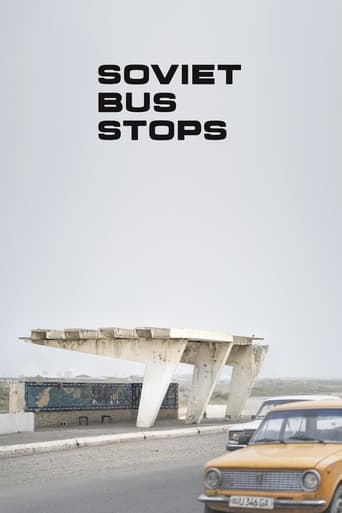
Soviet Bus Stops
2024 · ★ 8.3
“There’s a bus stop I want to photograph.” This may sound like a parody of an esoteric festival film, but Canadian Christopher Herwig’s photography project is entirely in earnest, and likely you will be won over by his passion for this unusual subject within the first five minutes. Soviet architecture of the 1960s and 70s was by and large utilitarian, regimented, and mass-produced. Yet the bus stops Herwig discovers on his journeys criss-crossing the vast former Soviet Bloc are something else entirely: whimsical, eccentric, flamboyantly artistic, audacious, colourful. They speak of individualism and locality, concepts anathema to the Communist doctrine. Herwig wants to know how this came to pass and tracks down some of the original unsung designers, but above all he wants to capture these exceptional roadside way stations on film before they disappear.
More info →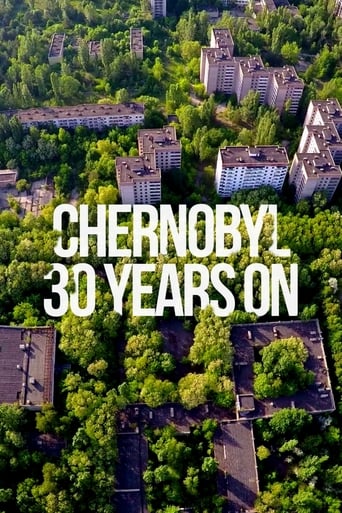
Chernobyl 30 Years On: Nuclear Heritage
2015 · ★ 7.5
Thirty years after the Chernobyl disaster, which occurred on the night of April 26, 1986, its causes and consequences are examined. In addition, a report on efforts to strengthen the structures covering the core of the nuclear plant in order to better protect the population and the environment is offered.
More info →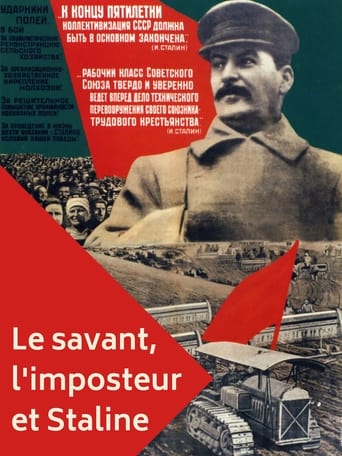
The Scientist, The Imposter and Stalin: How to Feed the People
2018 · ★ 7.3
The documentary tells two very different human fates in the 1920s Soviet Union. Nikolai Vavilov was a botanical genius, Trofim Lyssenko was an agronomist who made great promises and fake inventions. Each of them tried to solve the country's nutritional problem, but only one succeeded.
More info →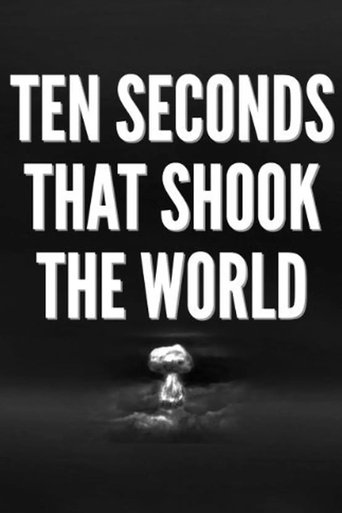
Ten Seconds that Shook the World
1963
This film is a factual and chronological account of the events preceding the atomic bombing of Hiroshima during World War II and the significant effect of the atomic bomb on peacetime projects and events of the atomic age.
More info →
Ways of Knowing: A Navajo Nuclear History
2025
The American Southwest holds a dark legacy as the place where nuclear weapons were invented and built. Navajo people have long held this place sacred, and continue to fight for a future that transcends historical trauma. This is their story.
More info →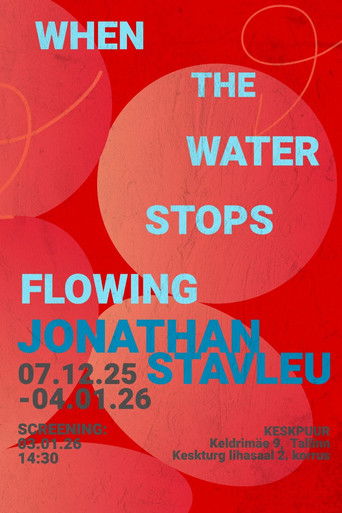
When the Water Stops Flowing
2026
Jonathan Stavleu explores, in a stream-of-consciousness video essay, the relationship people have with water and what happens when access to it is taken away. For this work, he examines anecdotal histories he has heard from Estonians, as well as stories from his own family history in the Netherlands, weaving them together into a journal-like narrative.
More info →