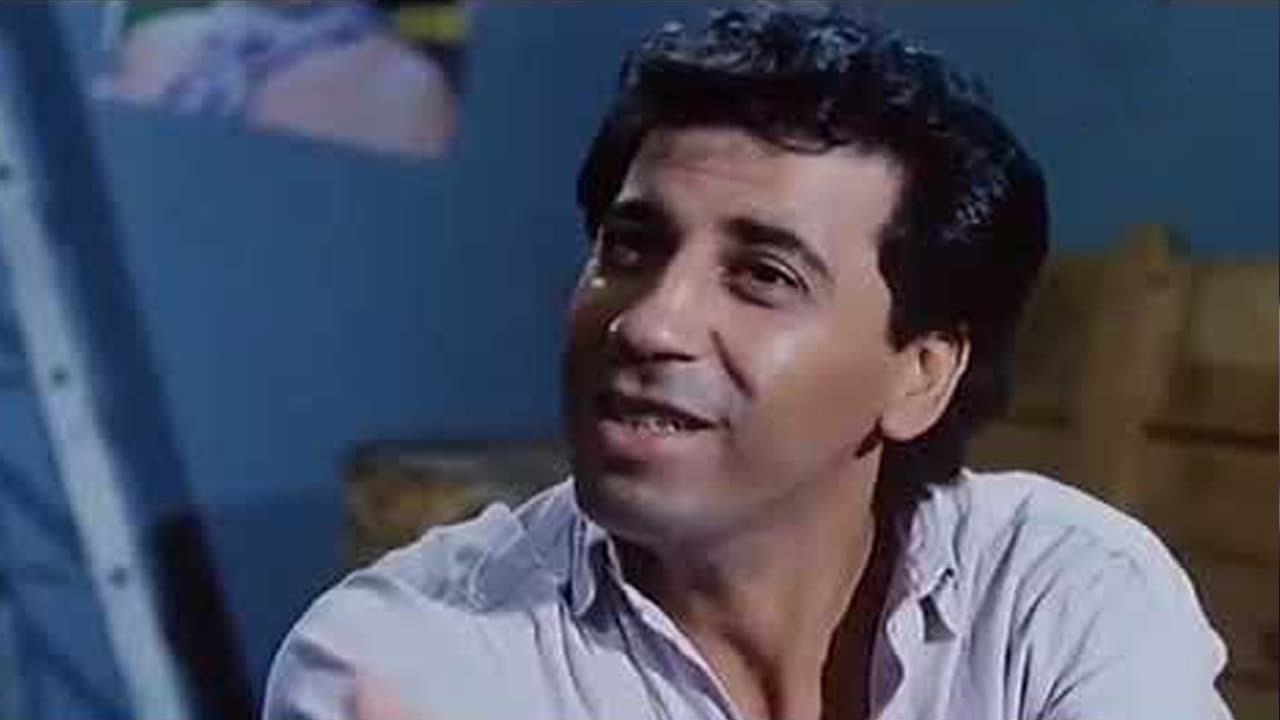
لحن الأمل (Lahn El-Almel)
★ 8.5 · 1993 · 124m · Drama · Music · Comedy · Romance
Abderrahim is a mechanic and singer in his spare time. One day, he receives a car to repair, driven by a very beautiful girl. It's love at first sight. They want to get married and start a family, but the girl's parents do not view this love favorably. They decide to marry their daughter to another man. Subsequently, Abderrahim became a famous singer. The loss of her love leaves the young girl in a state of silence from which only Abderrahim can break her.
More Like This
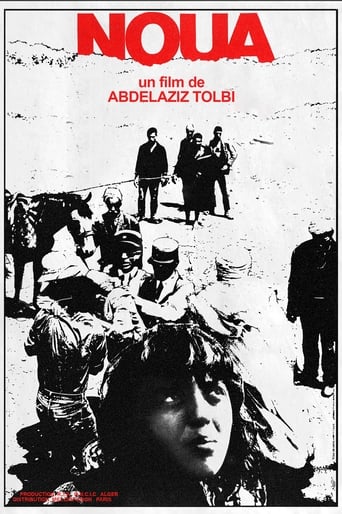
Noua
1972 · ★ 8.5
In Algeria in 1954, in a village in the Aurès region, poverty reigns over peasants enslaved by colonial administrators and Algerian landowners. Noua, in love with the son of a peasant dispossessed of his land, must be sold to a wealthy landowner.
More info →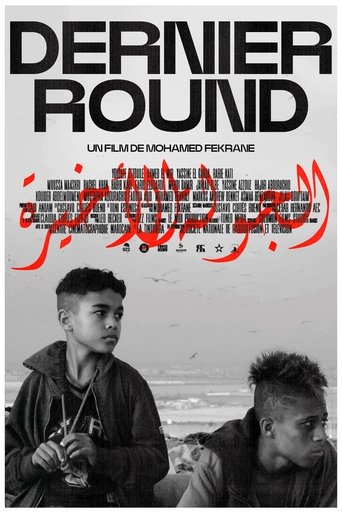
Final Round
2022 · ★ 10
Rachid is a young man who survives in Morroco boxing in clandestine fights in order to save enough money with which to pay a smuggler, and be able to cross the Strait of Gibraltar with his two friends.
More info →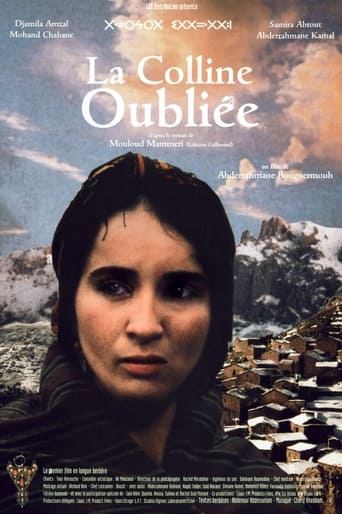
The Forgotten Hill
1996 · ★ 8.3
At the outbreak of the Second World War, two friends, Mokrane and Menach, abruptly interrupt their studies and return to their remote native Kabylian village of Tagsa. While waiting to be drafted into the French Army they have time to woo. Mokrane falls for beautiful Aazi and soon marries her only to find out that she can bear no child. Menach, on his part, is stongly attracted to Davda, but the latter is already married to a rich merchant...Happiness does not seem to be in store for the two former students...
More info →
Machaho
1995 · ★ 9
In Kabylie, rude mountain region in the north of Algeria. Arezki finds the young Larbi exhausted, buried under the snow. He takes him in and nurses him until he's recovered. The host seduces Arezki's daughter. She is pregnant. This is an unsupportable shame to the father of the female sinner. Arezki claims vengeance. He leaves his house and takes the oath not to come back before having killed Larbi who betrayed him under his own roof.
More info →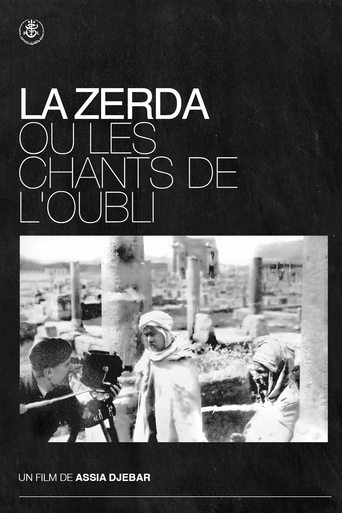
The Zerda or the Songs of Forgetting
1983 · ★ 8.1
“La Zerda and the songs of oblivion” (1982) is one of only two films made by the Algerian novelist Assia Djebar, with “La Nouba des femmes du mont Chenoua” (1977). Powerful poetic essay based on archives, in which Assia Djebar – in collaboration with the poet Malek Alloula and the composer Ahmed Essyad – deconstructs the French colonial propaganda of the Pathé-Gaumont newsreels from 1912 to 1942, to reveal the signs of revolt among the subjugated North African population. Through the reassembly of these propaganda images, Djebar recovers the history of the Zerda ceremonies, suggesting that the power and mysticism of this tradition were obliterated and erased by the predatory voyeurism of the colonial gaze. This very gaze is thus subverted and a hidden tradition of resistance and struggle is revealed, against any exoticizing and orientalist temptation.
More info →
The Hill
1965 · ★ 7.5
North Africa, World War II. British soldiers on the brink of collapse push beyond endurance to struggle up a brutal incline. It's not a military objective. It's The Hill, a manmade instrument of torture, a tower of sand seared by a white-hot sun. And the troops' tormentors are not the enemy, but their own comrades-at-arms.
More info →
Lion of the Desert
1981 · ★ 7.3
Resistance leader Omar Mukhtar opposes Italian colonization before World War II. The brutal guerrilla war against Italian General Rodolfo Graziani and the Fascist forces of Benito Mussolini highlights the struggle for Libyan independence and the harsh tactics utilised by the colonisers.
More info →
The Charcoal Maker
1973 · ★ 9.5
Film describes the miserable existence of a charcoal-burner who is barely able to feed his family. His search for work in town ends in failure and he is forced to return to his village.
More info →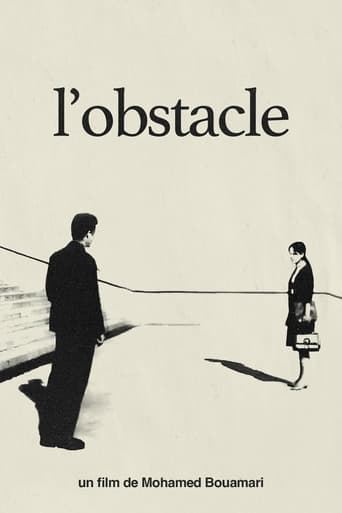
L'Obstacle
1965 · ★ 10
Algerian youth of the 1960s, straddling traditional South Mediterranean and Western culture and the desire for emancipation of younger generations to find true love.
More info →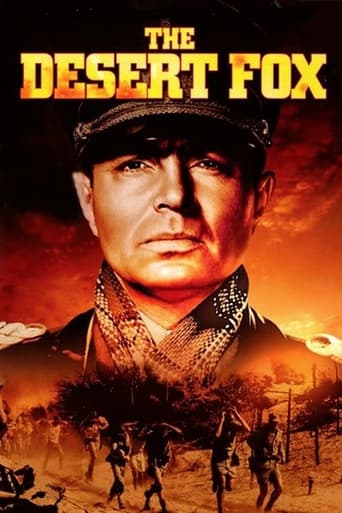
The Desert Fox: The Story of Rommel
1951 · ★ 6.7
The life and career of Erwin Rommel and his involvement in the plot to assassinate Hitler.
More info →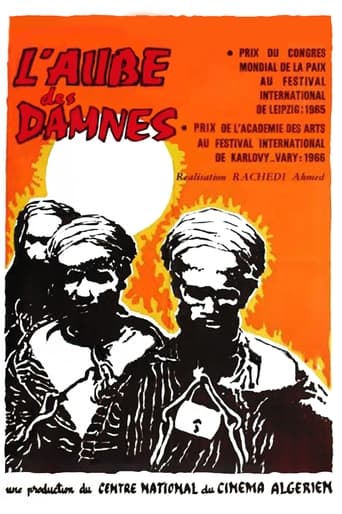
Dawn of the Damned
1965 · ★ 7.4
This excellent feature-length documentary - the story of the imperialist colonization of Africa - is a film about death. Its most shocking sequences derive from the captured French film archives in Algeria containing - unbelievably - masses of French-shot documentary footage of their tortures, massacres and executions of Algerians. The real death of children, passers-by, resistance fighters, one after the other, becomes unbearable. Rather than be blatant propaganda, the film convinces entirely by its visual evidence, constituting an object lesson for revolutionary cinema.
More info →
Honey and Ashes
1996 · ★ 6
Set against the vibrant backdrop of contemporary North Africa, this drama follows three women as they navigate the complex interplay between tradition and modernity. Each woman, driven by her own desires for success and meaningful relationships, faces societal pressures and cultural constraints that test their resolve. As their lives unexpectedly intersect, they reveal the shared struggles and resilience needed to overcome the obstacles placed in their path.
More info →