Pictures Out Of My Life
1973 · 13m · Documentary
The drawings and recollections of Inuit artist Pitseolak, from the book of the same title written by Dorothy Eber. Now in her seventies, Pitseolak is one of the most famous of the graphic artists of the Cape Dorset (Baffin Island) artists' colony and co-operative. Her coloured pencil and felt-pen drawings vividly illustrate her memories of past life in the Arctic, and of the birds, animals and spirits that figured so large in the daily life of the Inuit.
More Like This
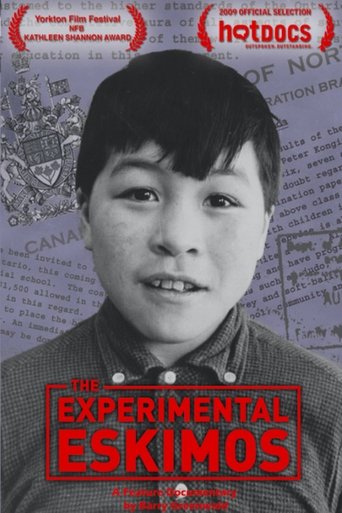
The Experimental Eskimos
2009 · ★ 6
In the early 1960s the Canadian government conducted an experiment in social engineering. Three young Inuit boys were separated from their families in the Arctic and were sent to Ottawa, the nation's capital, to live with white families and to be educated in white schools. The consequences the experiment would have on the boys, their identity and culture was brushed aside. The bureaucrats did not anticipate the outcome. The three grow up to be political activists and leaders - often at odds with the government that brought them south. They establish aboriginal rights in Canada and are instrumental in the creation of Nunavut, the world's largest self-governed aboriginal territory. But it all comes at a tremendous personal cost. Peter Ittinuar, Zebedee Nungak, and Eric Tagoona recount their stories, achievements and challenges in this film about an attempt at assimilation, empowerment, and the triumph of the human spirit.
More info →
Our Land, Our Truth
1983 · ★ 7
Made in collaboration with the Inuit Tungavingat Nunamini, this film focuses on those dissident members of the Inuit community who rejected the agreement signed on November 11, 1975, between the Northern Quebec Inuit Association, the Québec and federal governments, the James Bay Energy Corporation, the James Bay Development Corporation, Hydro-Québec and the Grand Council of the Crees, which took away Native rights to a territory of almost one million square kilometres. By their words and actions, the dissident Inuit of Povungnituk, Ivujivik and Sugluk express their strong desire to retain their land and their traditions. The filmmakers go into their homes, on the ice and the sea to record first-hand the lives of these northern people.
More info →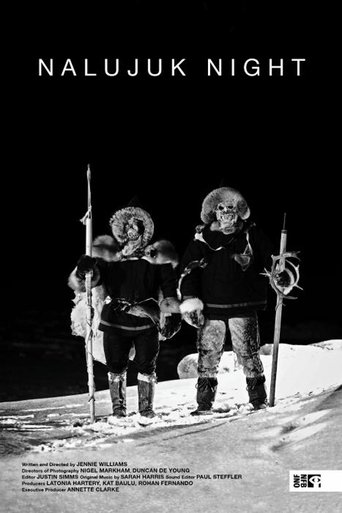
Nalujuk Night
2021
Nalujuk Night is an up close look at an exhilarating, and sometimes terrifying, Labrador Inuit tradition. Every January 6th from the dark of the Nunatsiavut night, the Nalujuit appear on the sea ice. They walk on two legs, yet their faces are animalistic, skeletal, and otherworldly. Snow crunches underfoot as they approach their destination: the Inuit community of Nain. Despite the frights, Nalujuk Night is a beloved annual event, showing that sometimes it can be fun to be scared. Rarely witnessed outside of Nunatsiavut, this annual event is an exciting chance for Inuit, young and old, to prove their courage and come together as a community to celebrate culture and tradition. Inuk filmmaker Jennie Williams brings audiences directly into the action in this bone-chilling black and white short documentary about a winter night like no other.
More info →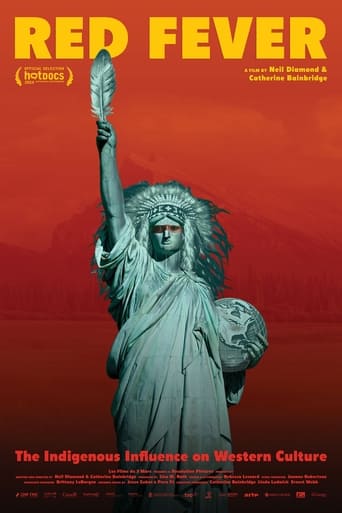
Red Fever
2024
Red Fever is a witty and entertaining feature documentary about the profound -- yet hidden -- Indigenous influence on Western culture and identity. The film follows Cree co-director Neil Diamond as he asks, “Why do they love us so much?!” and sets out on a journey to find out why the world is so fascinated with the stereotypical imagery of Native people that is all over pop culture. Why have Indigenous cultures been revered, romanticized, and appropriated for so long, and to this day? Red Fever uncovers the surprising truths behind the imagery -- so buried in history that even most Native people don't know about them.
More info →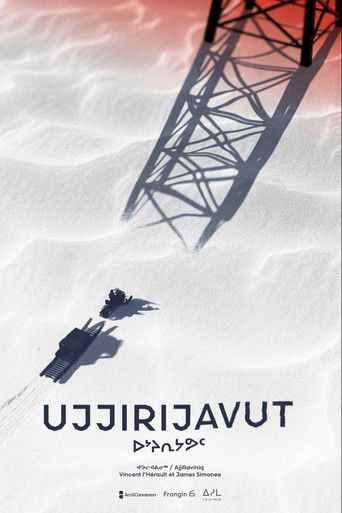
We See Changes
2025
James Simonee, an Inuit hunter from Pond Inlet, Nunavut, investigates the impacts of one of Nunavut’s largest mines on traditional lands near his community.
More info →Qallunaat!
2007 · ★ 5.7
Qallunaat! Why White People Are Funny is an irreverent look at Western Civilization through Inuit eyes. Inspired by the satirical essays of Zebedee Nungak, the film turns the tables on generations of anthropologists, teachers, adventurers and administrators who went North to pursue their Arctic Dreams. Now it’s their turn to be poked, prodded, examined and explained. A new generation of Inuit is ready to take on the Qallunaat at their own game. Grounded in their own traditions but educated in the South, they have a unique perspective on the culture that has come to dominate the planet. And they are not afraid to speak their minds.
More info →
Tough Old Broads
2026
Kathrine Switzer, Siila Watt-Cloutier, and Sharon Farmer. They are the first woman to run the Boston Marathon officially, the first woman to connect climate change to human rights, and the first woman to serve as Chief White House Photographer. These trailblazing women broke barriers in their time and continue to pursue their passions to this day. They’re living proof that you can follow your dreams and maybe change the world in the process.
More info →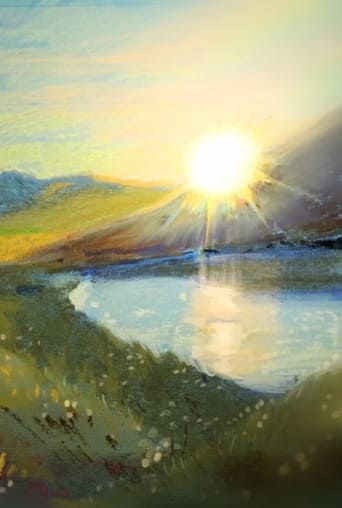
Grape Soda in the Parking Lot
2023
Taqralik Partridge asks what if every language that had been lost to English — every word, every syllable — grew up out of the ground in flowers? Taqralik’s grandmother’s Scottish Gaelic and her father’s Inuktitut unfold in memories of her family, of pain, and of love.
More info →
Tunniit: Retracing the Lines of Inuit Tattoos
2011
Inuit traditional face tattoos have been forbidden for a century, and almost forgotten. Director Alethea Arnaquq-Baril, together with long-time friend and activist Aaju Peter, is determined to uncover the mystery and meaning behind this beautiful ancient tradition. Together they embark on an adventure through Arctic communities, speaking with elders and recording the stories of a once popularized female artform. Central to the film is Arnaquq-Baril’s personal debate over whether or not to get tattood herself. With candour and humour, she welcomes us into her world, to experience firsthand the complex emotions that accompany her struggle. Past meets present in this intimate account of one woman’s journey towards self-empowerment and cultural understanding.
More info →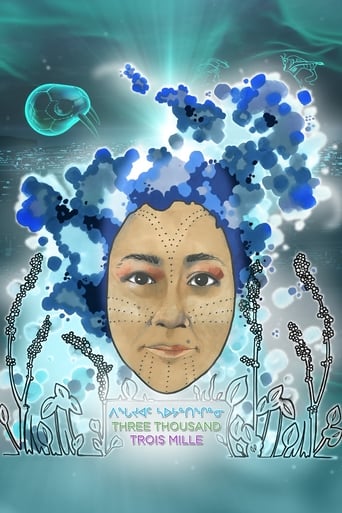
Three Thousand
2017
Inuit artist Asinnajaq plunges us into a sublime imaginary universe—14 minutes of luminescent, archive-inspired cinema that recast the present, past and future of her people in a radiant new light. Diving into the NFB’s vast archive, she parses the complicated cinematic representation of the Inuit, harvesting fleeting truths and fortuitous accidents from a range of sources—newsreels, propaganda, ethnographic docs, and work by Indigenous filmmakers. Embedding historic footage into original animation, she conjures up a vision of hope and beautiful possibility.
More info →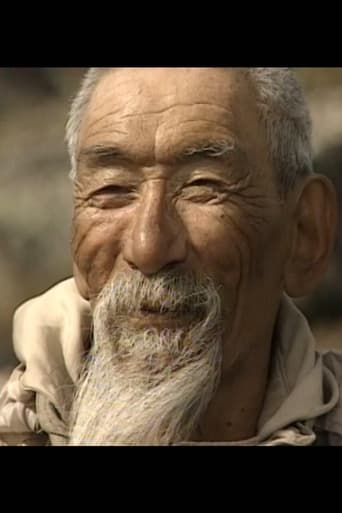
Amarok's Song - The Journey to Nunavut
1998 · ★ 10
In this feature-length documentary, three generations of the Caribou Inuit family come together to tell the story of their journey as Canada's last nomads. From the independent life of hunting on the Keewatin tundra to taking the reins of the new territory of Nunavut on April 1, 1999, we see it all. The film is the result of a close collaboration between Ole Gjerstad, a southern Canadian, and Martin Kreelak, an Inuk. It's Martin's family that we follow, as the story is told through his own voice, through those of the Elders, and through those of the teens and young adults who were born in the settlements and form the first generation of those growing up with satellite TV and a permanent home.
More info →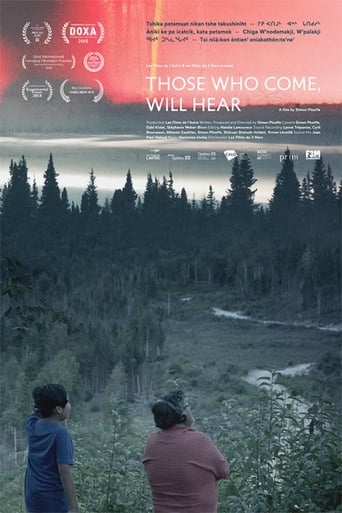
Those Who Come, Will Hear
2018 · ★ 9
The documentary proposes a unique meeting with the speakers of several indigenous and inuit languages of Quebec – all threatened with extinction. The film starts with the discovery of these unsung tongues through listening to the daily life of those who still speak them today. Buttressed by an exploration and creation of archives, the film allows us to better understand the musicality of these languages and reveals the cultural and human importance of these venerable oral traditions by nourishing a collective reflection on the consequences of their disappearance.
More info →