The Mennonites of Belize
2006 · 60m · Documentary
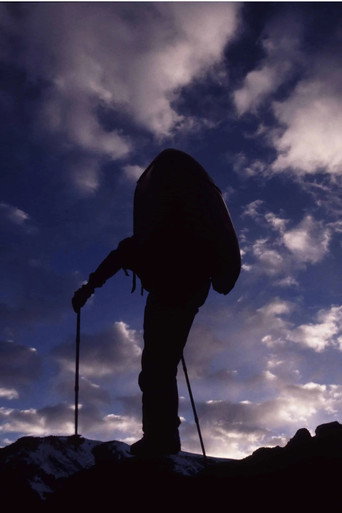
Follows the story of a group of old order Amish as they move from Belize to a remote area in Peru to pursue a more perfect order.
More Like This
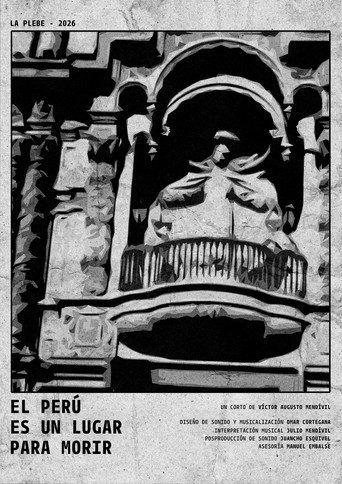
El Perú es un lugar para morir
2026
Using footage filmed in Peru in 1950 by a foreigner, Víctor writes a letter to his son to question the country he will inherit: among heartbeats and ruins, he searches for a hope that still endures amid disillusionment.
More info →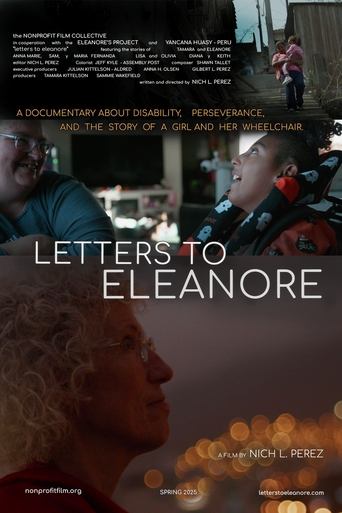
letters to eleanore
2024
"letters to eleanore" is a poignant feature-length documentary that explores the intertwined journeys of two remarkable girls, Keith from Canto Grande in Lima, Peru, who bravely navigates life with cerebral palsy alongside her devoted mother, and Olivia from Litchfield, Minnesota, whose experiences highlight the stark contrasts in societal attitudes towards disability in their respective countries. As their narratives unfold, they are beautifully interwoven with the legacy of Eleanore and her family, whose life, untimely death, and the impact of her wheelchair ignited a powerful movement of hope for countless children and their families facing similar challenges. This film is not just a story of perseverance and love; it is a testament to the strength of community, brought to life through the collaborative efforts of volunteers, students, and communities across Peru and the United States, embodying a true grassroots style of storytelling that resonates with authenticity and compassion.
More info →Hamburgeria - Interview for Mato Grosso
2024
What is hamburgeri, what does it do and what emotions does it give. Volunteering by children, for poor children in South America
More info →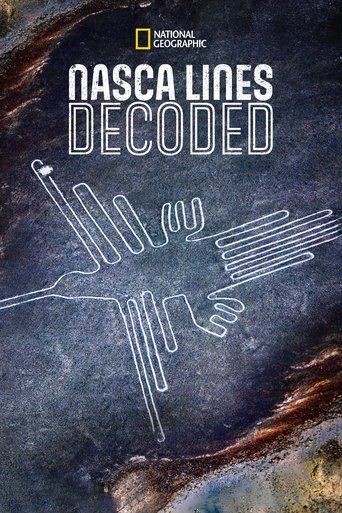
Nasca Lines Decoded
2010 · ★ 6
They are striking works of art by any standard: but what purpose did they serve? Some of the theories put forward suggest that the lines were ancient running tracks, runways for aliens, and even a giant astronomical calculator. But after decades of misunderstanding, modern archaeology may finally have an answer to the puzzle of the Nasca lines.
More info →
Víctor Jara in Live in Lima
1973
Concert by Víctor Jara at Panamericana Televisión in Lima, Peru, on July 17, 1973. This is one of the last audiovisual records of Víctor Jara. Two months later he would be assassinated by the Chilean military dictatorship.
More info →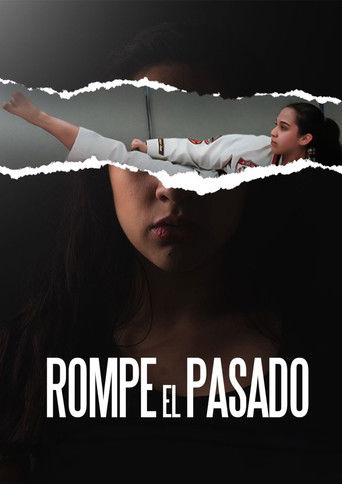
Rompe el Pasado
2024
A young woman shares her journey of overcoming adversity after being bullied at school, recounting how she found a way to heal her emotional wounds, as well as a path to self-confidence and resilience, especially through taekwondo.
More info →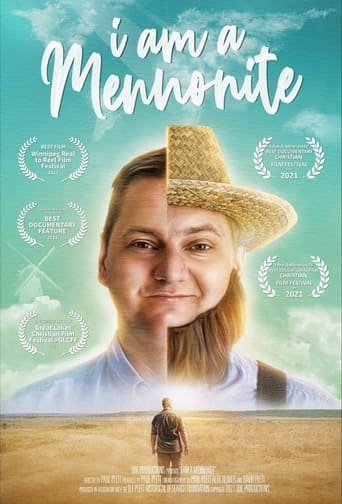

Other Worlds
2004 · ★ 7
The secrets about unlocking the mysteries of consciousness by plant-drugs. The related chances and risks involved in this shamanism. While filming Blueberry, the Secret Experience, Jan Kounen met the Shipibo healers of the Peruvian Amazon and discovered their sacred plant: Ayahuasca, the spirit vine. Deeply affected by this experience, he decided to return to Peru to shoot a documentary on the plant and the medicinal rites of the shamans. To this end, he filmed the natives but also met neurologists, philosophers, artists, and chemists working on this subject. He notably interviewed Jean Giraud, the illustrator of Blueberry, and Kary Mullis, winner of the 1993 Nobel Prize in Chemistry. More than a traditional documentary, the film is an invitation to travel, a half-open door to another world or another perception of reality. The secrets about unlocking the mysteries of consciousness by plant-drugs. The related chances and risks involved in this shamanism.
More info →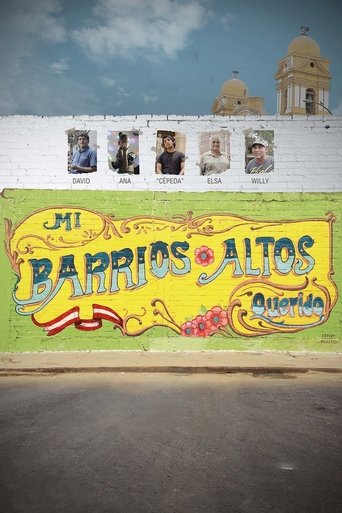
Mi Barrios Altos querido
2019 · ★ 8
Five stories about dignity in the capital of Peru. A local leader looking for someone to leave the post of her complex work, a tourist guide who is a patron of the architectural heritage and Creole music, an ex-delinquent rescued by the Evangelical Church, a teenage dancer of Afro-Peruvian music forced to emigrate and a muralist of Bellas Artes son of Andean migrants, they try to get ahead in Barrios Altos, the most feared – but also most beloved – historic neighborhood of Lima.
More info →Taller videográfico de la memoria de Cajamarca
2022
Is it possible to rebuild through a collection of archives? Based on a video workshop organized in Perú in June 2022, this short film aims at initiating the creation of a freely accessible, grassroots video archive for anyone who, in the future, wishes to preserve and continue building upon local memory.
More info →