J'aime toute
2017 · 3m · Documentary
At the age of eight, José shows us his village, Nutashkuan, and everything he loves there.
More Like This
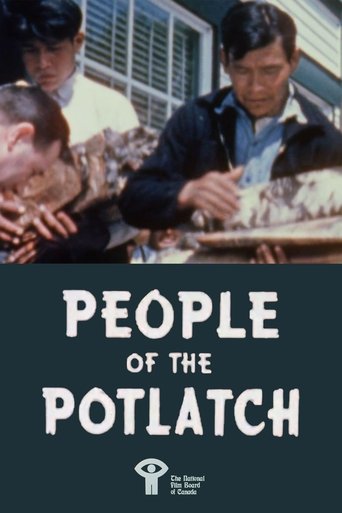
People of the Potlatch
1944
The Indigenous peoples of northern British Columbia still hunt and fish, using a combination of traditional ways and modern equipment and techniques where appropriate. Lumbering and trapping bring them money and goods. Their traditional arts and crafts, however, remain essentially unchanged. This archival film reflects the social and cultural values and beliefs prevalent at the time of production.
More info →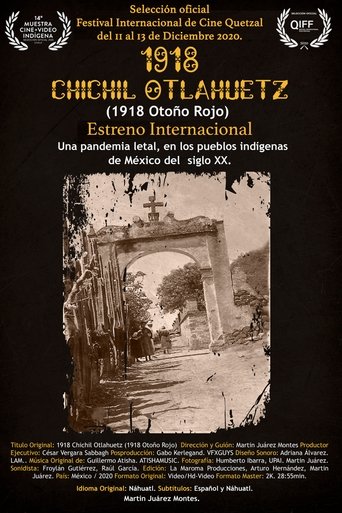
Red Autumn
2020
Historical heritage documentary about the disease that, 100 years ago, occurred during and after the Mexican Revolution. This film presents real testimonies of this cruel pandemic in the indigenous peoples of Mexico in the 20th century.
More info →
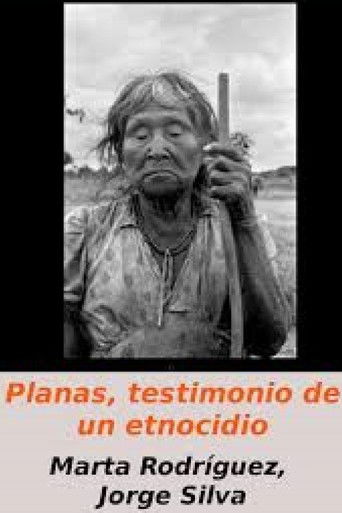
Plains: Testimony of an Ethnocide
1971 · ★ 6.7
A documentary on the massacre of Planas in the Colombian east plains in 1970. An Indigenous community formed a cooperative to defend their rights from settlers and colonists, but the government organized a military operation to protect the latter and foreign companies.
More info →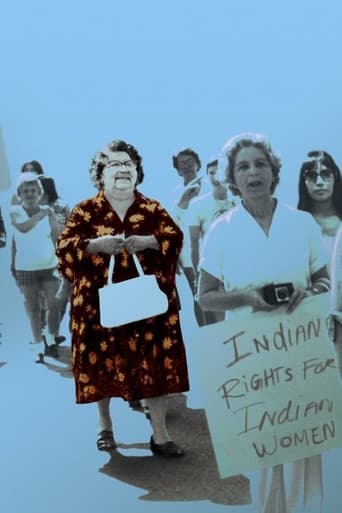
Mary Two-Axe Earley: I Am Indian Again
2021 · ★ 8
After marrying a settler, Mary Two-Axe Earley lost her legal status as a First Nations woman. Dedicating her life to activism, she campaigned to have First Nations women's rights restored and coordinated a movement that continues to this day. Kahnawake filmmaker Courtney Montour honours this inspiring leader while drawing attention to contemporary injustices that remain in this era of truth and reconciliation.
More info →
Seas the Day: The Sailing Movie
Seas the Day: The Sailing Movie is a genre-defying documentary that blends real-world adventure with deeply human storytelling. It transcends typical sailing documentaries by blending docu-fiction with a narrative inspired by Joseph Campbell’s classic The Hero's Journey. Directed by Ryan Luskin, an anthropologist and teacher, the film follows his family's quest across sixteen countries, learning life skills from diverse cultures.
More info →
Never Anywhere
2025 · ★ 4
Behind closed doors in a car, three friends from the small town of Sept-Îles discuss their desire to reconnect with the North Shore, the region where they grew up. As the hours lenghten on the road 138, the young women reflect on the quest for identity that accompanies the regional exodus and reveals a social landscape decentralized from the metropolises.
More info →
No Māori Allowed
2022 · ★ 8
When an academic unearths a forgotten history, residents of the small township of Pukekohe, including kaumātua who have never told their personal stories before, confront its deep and dark racist past.
More info →
No Word For Worry
2014
As a sea nomad, Hook grew up with the ocean as his universe. Now he must make a courageous voyage to salvage the remains of his dying culture
More info →
Say Her Name
2021
A short film highlighting the epidemic of missing indigenous men and women who have gone missing in Bighorn County, Montana. It features several victims' stories and interviews with their families and indigenous activists who are pushing for their cases to be re-examined and solved.
More info →
Somebody's Daughter
2020
Somebody’s Daughter focuses on higher-profile MMIW cases, some of which were raised during the Senate Committee on Indian Affairs in December 2018. With historical points of reference, the victims’ and their families’ stories are told through the lens of the legal jurisdictional maze and socio-economic bondage that constricts Indian Country.
More info →
First Daughter and the Black Snake
2017 · ★ 5
The “Prophecy of the 7th Fire” says a “black snake” will bring destruction to the earth. For Winona LaDuke, the “black snake” is oil trains and pipelines. When she learns that Canadian-owned Enbridge plans to route a new pipeline through her tribe’s 1855 Treaty land, she and her community spring into action to save the sacred wild rice lakes and preserve their traditional indigenous way of life. Launching an annual spiritual horse ride along the proposed pipeline route, speaking at community meetings and regulatory hearings. Winona testifies that the pipeline route follows one of historical and present-day trauma. The tribe participates in the pipeline permitting process, asserting their treaty rights to protect their natural resources. LaDuke joins with her tribe and others to demand that the pipelines’ impact on tribal people’s resources be considered in the permitting process.
More info →