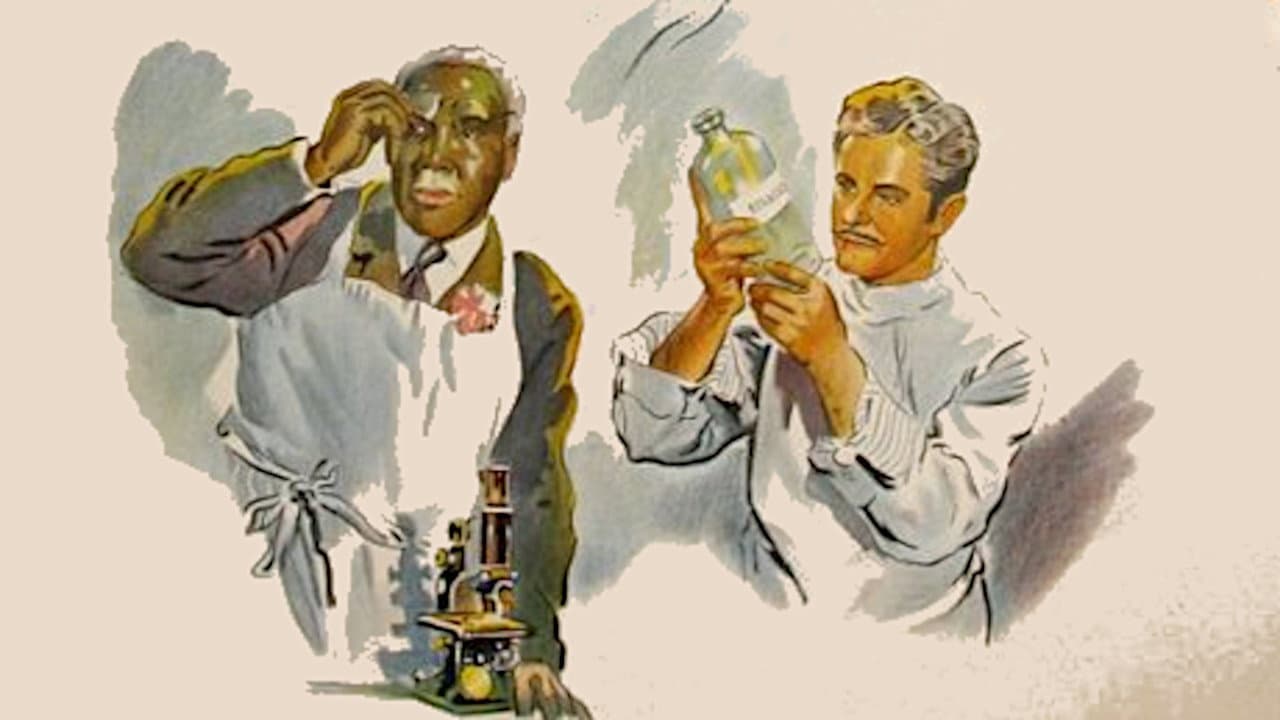
The Golden Hunch
★ 9 · 1945 · 10m · History
This entry in John Nesbitt's "Passing Parade" series is about the great moments in the lives of famous men who found found an answer or made a great discovery in the flash of a golden hunch.
More Like This
The Film That Was Lost
1942 · ★ 7.5
In this John Nesbitt's Passing Parade short, a look is taken at the problems of film preservation efforts in the 1930s and early 1940s.
More info →
The Story That Couldn't Be Printed
1939 · ★ 7
This John Nesbitt's Passing Parade short tells the story of John Peter Zenger, who in Colonial New York was tried for sedition based on what he printed in his newspaper.
More info →Souvenirs of Death
1948 · ★ 7.3
This MGM John Nesbitt's Passing Parade series short tells the story of how a Mauser pistol used on the battlefield by Germans during WWII makes its way into the hands of an American gangster.
More info →
Forgotten Treasure
1943 · ★ 7.3
This John Nesbitt's Passing Parade series short highlights the film preservation efforts of the Museum of Modern Art in New York. Several scenes from early newsreels are shown.
More info →Madero of Mexico
1942 · ★ 7
This Passing Parade series short chronicles the political life of Francisco Madero, who tried to bring democracy and land reform to Mexico.
More info →Strange Testament
1941 · ★ 7.5
This MGM Passing Parade series short tells the story of Julian Poydras, whose encounter with a girl at Mardi Gras had a profound effect on his later life.
More info →Mr. Whitney Had a Notion
1949 · ★ 6.3
Historical short showing how Eli Whitney (best known for the invention of the cotton gin) played a significant role in the introduction of mass production techniques to the USA in the late 18th century.
More info →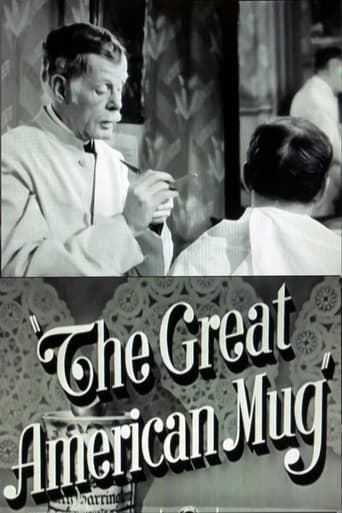
The Great American Mug
1945 · ★ 7.3
This John Nesbitt's Passing Parade short takes a look at the typical American barbershop throughout the years.
More info →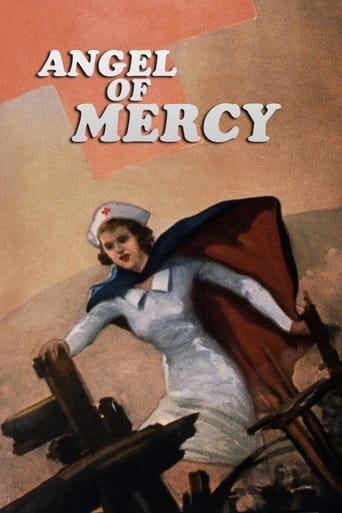
Angel of Mercy
1939 · ★ 7.7
This MGM Passing Parade series short tells the story of Clara Barton, the founder of the Red Cross.
More info →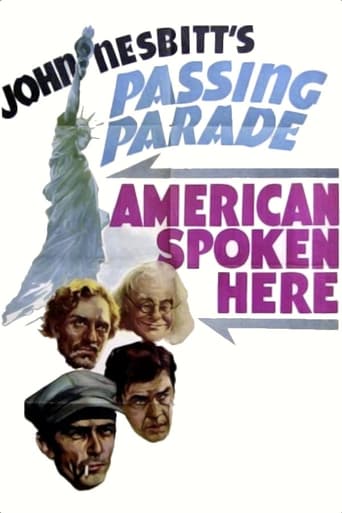
American Spoken Here
1940 · ★ 9
This MGM John Nesbitt's Passing Parade series short takes a look at the origins of North American slang.
More info →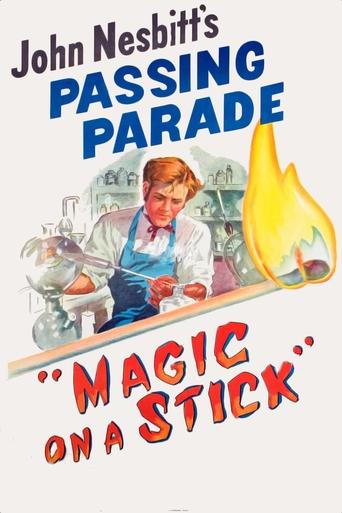
Magic on a Stick
1946 · ★ 8
This MGM Passing Parade series short recounts how English chemist John Walker invented the wooden friction match during the 1820s.
More info →