City Under Pressure
★ 10 · 1965 · 17m · Documentary
The city of Edmonton is under pressure to deal with the problems related to housing, development, and traffic.
More Like This
Campaign: The Making of a Candidate
2004
This feature documentary follows Toronto mayoral candidate David Miller as he runs in the 2003 municipal election.
More info →
Shellmound
2004 · ★ 9
“Shellmound” is the story of how one location was transformed from a sacred center of pre-historic cultures to a commercial mecca for modern people. What began as a Native American burial ground three thousand years ago, was transformed first into an amusement park, and later an industrial age paint factory. Now, the tainted ancient soil sits beneath the glittering lights of Banana Republic, Victoria’s Secret, and the AMC movie theaters. “Shellmound” examines the decisions made during the recent toxic cleanup, excavation, and construction of the Bay Street mall through the eyes of the city of Emeryville, the developer, the archaeologists, and the native Californians who worked on the site.
More info →


Prime Farmland
2020
This documentary film follows farmers and activists fighting together to stop the Indiana Enterprise Center, a mega-sized industrial park planned west of South Bend, Indiana
More info →
The Plan
2014
Prague faces the challenge of a new zoning plan. The city's development leads to conflicts between the private developer lobby, city residents, and elected officials. By following several years of town council meetings, the film paints an image of a public policy apparatus that ignores the role of the urban planner. Using a journalistic approach, the filmmaker attempts to depict all points of view, although in the end the dominant perspective is of those who believe in the city as an expression of culture and quality of life.
More info →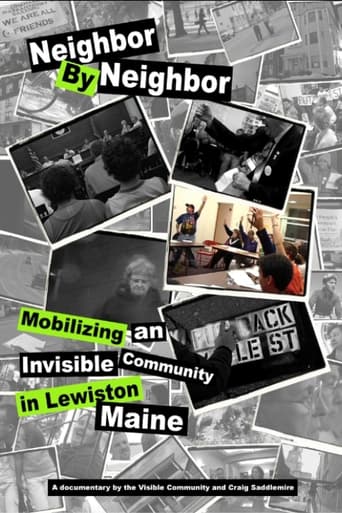
Neighbor by Neighbor: Mobilizing an Invisible Community in Lewiston, Maine
2009
In the summer of 2004, the Mayor of Lewiston, Maine announced a plan to develop a four-lane boulevard across downtown's low-income neighborhood. This project was called "The Heritage Initiative." Contrary to its name, this plan was going to eliminate the downtown's heritage by displacing 850 people from their homes as well as destroy playgrounds, vegetable gardens, and historic buildings. Moving residents out of the city and improving traffic flow was at the heart of this proposal... It was 1960's Urban Renewal all over again. As tragic as the circumstances were, the threat of a road destroying the neighborhood required residents to rise to the challenge of becoming *community organizers. This movie documents 5 years of development and community organizing in Lewiston. It's an exceptional story about the people of Lewiston, but it's also a universal story about the challenges faced by many urban neighborhoods across the United States.
More info →Little Injustices: Laura Nader Looks at the Law
1981 · ★ 7
Anthropologist Laura Nader's first field trip to a Zapotec Indian village in Oaxaca, Mexico, in the late 1950s, led her to study problem-solving in the local courts. There, "little injustices" were the meat of everyday courtroom life.
More info →
Crane City of the North
2008
Documentary about the history and development of Qiqihar city.
More info →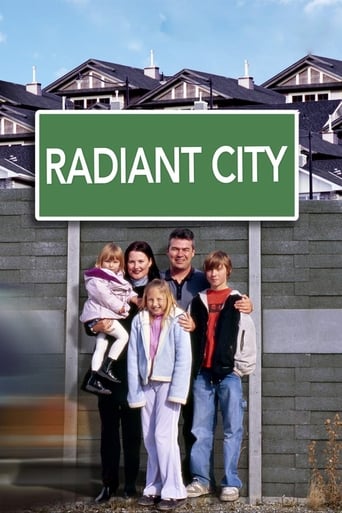
Radiant City
2007 · ★ 6.4
Since the end of World War II, one of kind of urban residential development has dominate how cities in North America have grown, the suburbs. In these artificial neighborhoods, there is a sense of careless sprawl in an car dominated culture that ineffectually tries to create the more organically grown older communities. Interspersed with the comments of various experts about the nature of suburbia
More info →
Canicule 2003 : Paris dans la fournaise
2023
The heatwave of 2003 remains etched in our memories. We remember an angry emergency doctor, crowded hospital corridors, and a health minister in a polo shirt who seemed completely out of touch with reality. Between August 1 and 20, 2003, the heatwave claimed 15,000 lives. One in three victims lived in the Ile-de-France region, which was hardest hit by this deadly heatwave. This tragedy revealed many shortcomings. First, the lack of preparedness of the public authorities to deal with such a health crisis. Second, the way in which the elderly are treated. Climatologists estimate that from 2050 onwards, the summer of 2003 will be the norm. Hyper-urbanization, poor insulation in homes, and a lack of green spaces are all factors that exacerbate the effects of high temperatures.
More info →