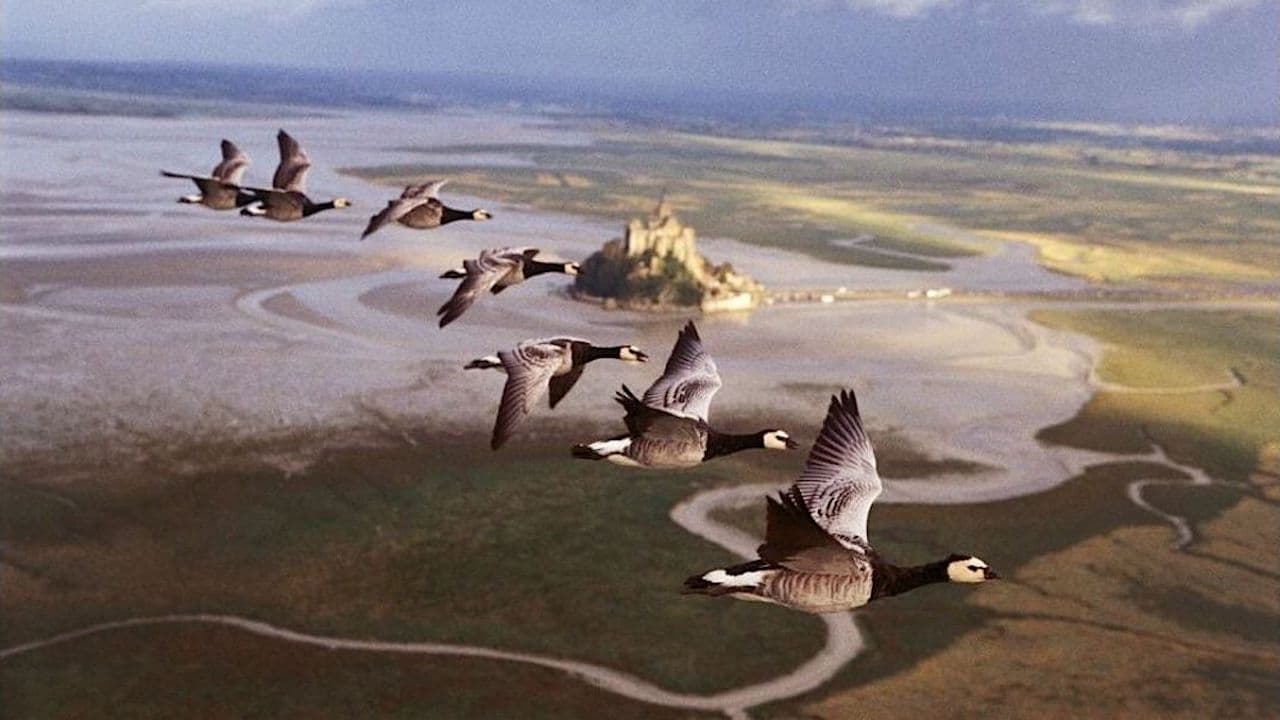
Winged Migration
★ 7.6 · 2001 · 89m · Documentary
This documentary follows various migratory bird species on their long journeys from their summer homes to the equator and back, covering thousands of miles and navigating by the stars. These arduous treks are crucial for survival, seeking hospitable climates and food sources. Birds face numerous challenges, including crossing oceans and evading predators, illness, and injury. Although migrations are undertaken as a community, birds disperse into family units once they reach their destinations, and every continent is affected by these migrations, hosting migratory bird species at least part of the year.
More Like This

Arabia: Sand, Sea & Sky
1991
Take A Spectacular Journey. It Starts Right Here... Arabia: Sand, Sea & Sky Take a stunning tour of Arabia's natural world- a land of vivid contrast and splendor. Your journey begins in the magnificent coral reefs of the Red Sea where barracuda, giant mantra rays, and sharks comb the fertile waters. Then, high in the cliffs of the great mountain barrier, you will be fascinated by the complex social behavior of a troop of baboons. As you descend into the foothills, thousands of migrating birds converge, including the flamboyant Abyssinian Roller which will dazzle you with its brilliant feathers and swooping aerobatic dives. Finally, travel by camel across the immense sculptured desert, as the Bedouins have for more than thirty-five hundred years on an expedition you will never forget in ARABIA: SAND, SEA, & SKY.
More info →
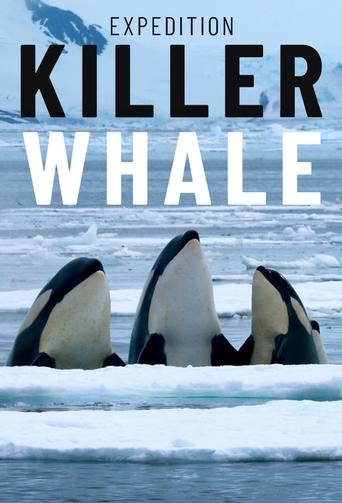
Expedition Killer Whale
2024 · ★ 7
In a remote corner of Antarctica, a group of killer whales capture their prey in the most extraordinary fashion. Swimming together, they create waves so powerful and accurate, they can wash a seal right off a piece of floating ice—some of the most sophisticated behavior in the animal kingdom. The hunting technique of pack-ice killer whales has intrigued scientists for decades, and there is still so much unknown about the species. Each scientist on the expedition hopes to discover new truths about these whales.
More info →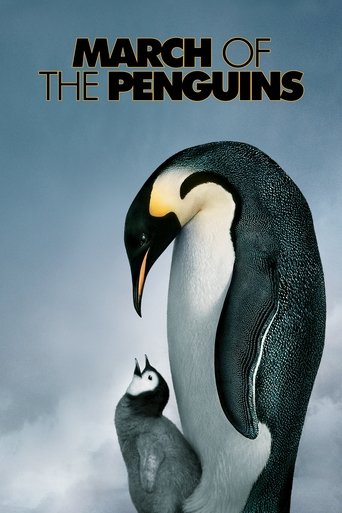
March of the Penguins
2005 · ★ 7.1
Every year, thousands of Antarctica's emperor penguins make an astonishing journey to breed their young. They walk, marching day and night in single file 70 miles into the darkest, driest and coldest continent on Earth. This amazing, true-life tale is touched with humour and alive with thrills. Breathtaking photography captures the transcendent beauty and staggering drama of devoted parent penguins who, in the fierce polar winter, take turns guarding their egg and trekking to the ocean in search of food. Predators hunt them, storms lash them. But the safety of their adorable chicks makes it all worthwhile. So follow the leader... to adventure!!
More info →
Bear Hunt
Presenter and comic Jacob Burley hosts Bear Hunt; a stand-up show in which he explores the existence and extinction of the brown bear in the British Isles.
More info →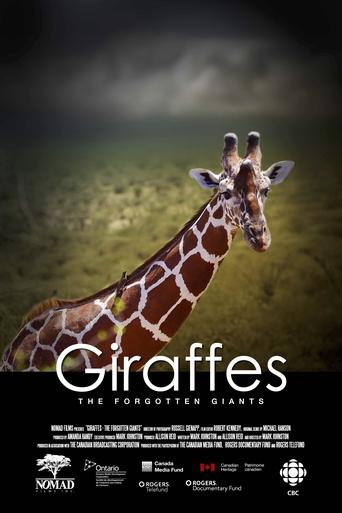
Giraffes: The Forgotten Giants
2015 · ★ 10
"Giraffes: The Forgotten Giants" delves into the reasons behind the "silent" extinction of giraffes worldwide, and introduces us to the scientists who are gathering new information that may stave off their decline.
More info →
Out of Our Depth: Three Brothers in a Boat
2025
Three brothers with no rowing experience take on the world's toughest row: a 3,000 mile race across the Atlantic with 50ft waves, exhaustion, seasickness and your two siblings - how hard can it be?
More info →
Chmyz
The film follows the first days of a newborn horse. The camera records its encounter with the world into which it was born – from its first steps, through joyful galloping, to its initiation as a member of the herd. We see the world from the foal's perspective, with humans serving only as a backdrop for the story of the unique bond between mother and child.
More info →
After the Endling
2022 · ★ 6
A shadow puppet film inspired by the story of an extinct Hawaiian tree snail (pūpū kani oe) named Lonely George.
More info →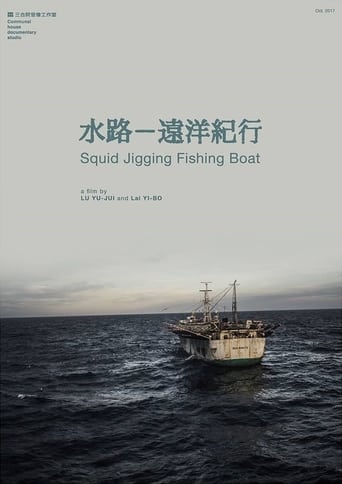
Squid Jigging Fishing Boat
2017
Every December to January, almost a hundred squid fishing boats from Ch'ien-chen Fishing Harbor in Kaohsiung will sail from East 120 to West 60 to work at Falkland Islands in the South West Atlantic. The sailing takes 35-40 days and crew members named it "waterway." January 1st, 2015, a 65 meter long, 11 meter wide fishing boat began its journey to Falkland island. This is a documentary about 60 crew members from south-east Asia to work far away from Taiwan.
More info →
Insistir
2023
A documentary about the sea and memory. Its movement is its form. Its strength.
More info →