Reset
2025 · 105m · Documentary
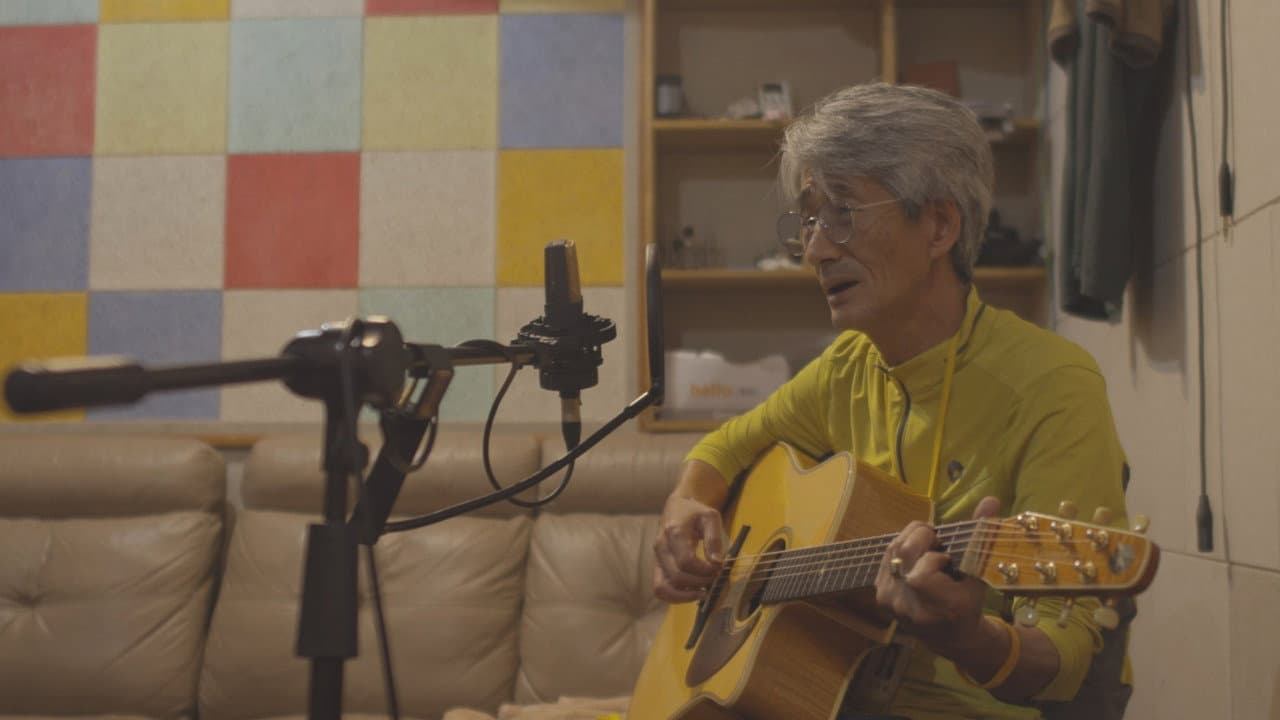
On April 16th, 2014, the Sewol Ferry sank in South Korea, taking with it the lives of 304 of its 476 passengers. South Korea's worst maritime disaster traumatized a nation while simultaneously sinking the country's emotional spirit. The film asks why the rescue of Korea's children and people was neglected on the fateful day the Sewol sank.
More Like This

CNA Insider: Is Seoul To Blame For South Korea's Population Crisis?
2024
South Korea's is facing a population crisis, with Seoul at the centre of it. The country’s capital remains the beneficiary of both internal and external migration. Instead, it is in the rural and peripheral areas where low birth rates and the aging population have become crises. The countryside is at risk of becoming extinct. As more opportunities and people get concentrated in Seoul, urban pressures have led to rising unemployment and cost of living. And when things get expensive, people do not have babies. Seoul now has the lowest birthrate in South Korea, in a country with the world’s most dire fertility. On the other hand, farms and factories in the rural areas desperately need workers. How can South Korea solve this population puzzle?
More info →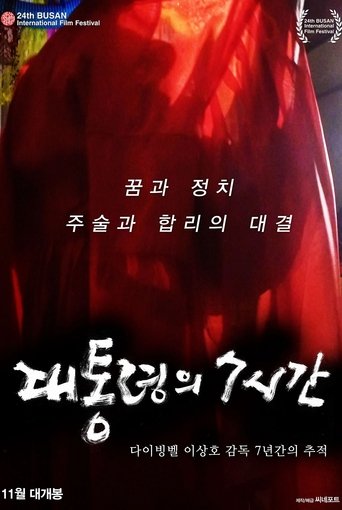
President′s 7 Hours
2019 · ★ 9
The film traces PARK Geun-hye's life back to the 1970s, when the leader-follower relationship began between PARK, who became the first lady of the Yushin regime, and CHOI Taemin, the leader of a pseudo-religion. It then examines the Sewol ferry incident, CHOI Soonsil Gate, candlelight rallies, and finally the impeachment.
More info →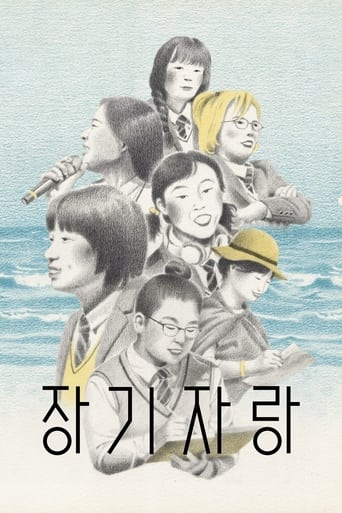
The Talent Show
2023
Middle-aged women start acting and launch a drama club. However, nothing big or small goes right. But they never give up the play.
More info →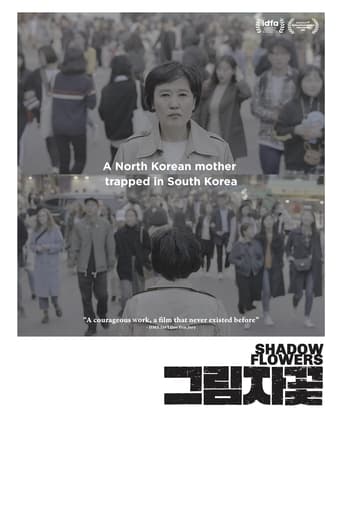
Shadow Flowers
2021
Ryun-hee Kim, a North Korean housewife, was forced to come to South Korea and became its citizen against her will. As her seven years of struggle to go back to her family in North Korea continues, the political absurdity hinders her journey back to her loved ones. The life of her family in the North goes on in emptiness, and she fears that she might become someone, like a shadow, who exists only in the fading memory of her family.
More info →
Upside Down
2016 · ★ 9
304 people drowned as the car ferry sank. Four fathers recall their memories of their children; high school students who were on their field trip. Professors, lawyers, journalists, an activist, a diver, and a politician explain why the system ultimately allowed the tragedy to occur. What is stopping the next tragedy? The world has turned upside down.
More info →
White Jungle
2011 · ★ 6
It is year 2011 and the government still talks of economic growth through medical care under the table. In reality, common people cannot afford to go to a hospital. They are nothing but extra casts in a promotional film for showing. The reality is a white jungle where medical care has become the market of extreme commercialization and doctors and patients are just too familiar with the physiology of jungle life. New rules and regulations must be practiced in this jungle. The film finds a solution by looking at medical care not as a personal means of production but community welfare.
More info →
The Last of the Sea Women
2024 · ★ 7.1
On the shores of Jeju Island, a fierce group of South Korean divers fight to save their vanishing culture from looming threats.
More info →

Becoming Kim
2026
German filmmaker Susanne, married to a Korean man named Kim Jeong Rae, turns the camera toward her own intercultural marriage and family with both humor and tenderness. Blending vérité and performance, the film dives into the beautiful mess of love, identity, and cultural collision. Becoming Kim asks: How do we stay true to ourselves—while learning to love another?
More info →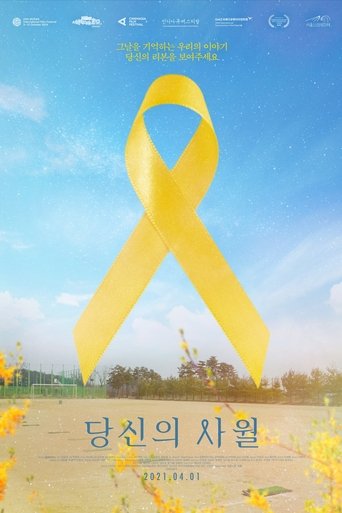
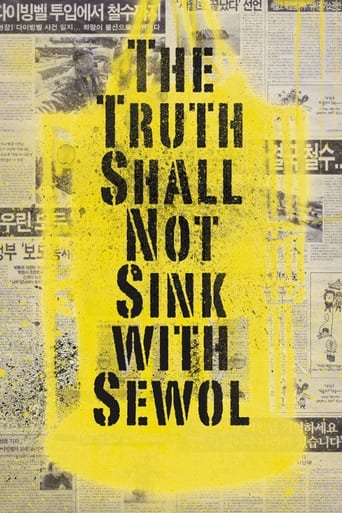
The Truth Shall Not Sink with Sewol
2014 · ★ 7.6
A documentary on the South Korean ferry disaster that claimed the lives of more than 300 passengers in April, 2014.
More info →One "Orphan" Every Hour
2025
Nearly 250,000 South Korean children were adopted to the West as “orphans” in the 60 years following the Korean War. Some to loving homes. Others to tragic ends. Raised in places where they looked like nobody else, many were told to forget their past and be grateful. But the innate desire to understand where you came from has led many Korean adoptees to search for their roots. In the process, they discover lies in their past and families they never knew existed. In this documentary series, correspondent Wei Du travels around the world to meet Korean adoptees and accompany a few on their journey to reclaim who they are. Together, they reveal how an “orphan rescue” mission separated families and erased the roots of hundreds of thousands.
More info →