Agustina González. La zapatera que miraba a las estrellas
2023 · Documentary
More Like This
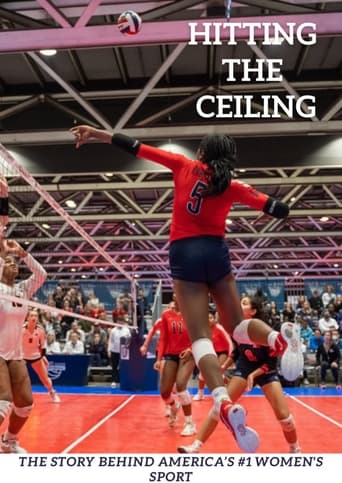
Hitting the Ceiling
2023
The story behind the growth of women's and girls' volleyball in the United States and how it continues to bolster and empower young women in their development. Featuring direct interviews with players, coaches, and families, as well as footage of the 2022 Big South Qualifier tournament.
More info →
TOMBOY
2017
TOMBOY explores the obstacles that young girls encounter on the recreational stage, the stereotypes, language issues and cultural disparities that follow, and ultimately the insufficient media coverage and compensation that afflicts elite professional athletes seeking full recognition for their talents. The journey of the female athlete is often discouraging, and despite progress achieved during the Title IX era, gender equity in athletics has a long way to go.
More info →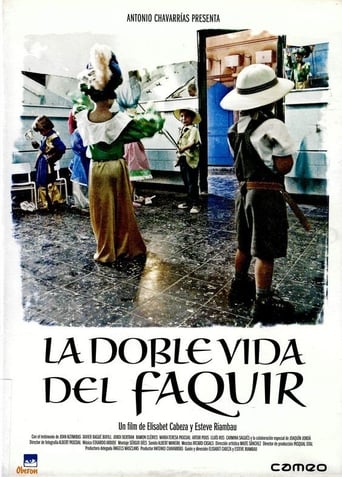
La doble vida del faquir
2005 · ★ 6.4
La doble vida del faquir (The magicians) returns to the scene of a school in the Catalan town of Sant Julià de Vilatorta where, in 1937, in the midst of civil war, a film-maker in hiding and a group of orphaned children dressed up as sultans and explorers shot an exotic adventure film. The films protagonists relive those childhood days when they were able to switch their school smocks for oriental turbans, while reality imposed its own fancy dress ball with military uniforms and priests dressed in civilian garb.
More info →

Women Don't Cycle
2022
A film about what it means to be a woman cycling in different countries around the world. When Manon left to cycle from Brussels to Tokyo, she took a camera with her and met other women cyclists along the way. Hear their stories!
More info →
Gloria's Call
2019 · ★ 3.3
In 1971, graduate student Gloria Orenstein received a call from Surrealist artist Leonora Carrington that sparked a lifelong journey into art, ecofeminism and shamanism. This short film uses art, animation and storytelling to celebrate this wild adventure. Now more than 40 years later, award-winning Dr. Gloria Feman Orenstein is a feminist art critic and pioneer scholar of women in Surrealism and ecofeminism in the arts. Her delightful tale brings alive an often unseen history of women in the arts.
More info →
Town Bloody Hall
1979 · ★ 5.8
On the evening of April 30, 1971, a standing room only audience of local literati and feminists packed New York City’s Town Hall to watch Norman Mailer, who had just written “The Prisoner of Sex,” grapple with a panel of passionate feminists. The subject was Women’s Liberation, an issue on which Mailer seemed like the devil’s own advocate.
More info →
Completely Different, Exactly the Same
At a crossroads of borders in the Balkans, Sabina Talović, a feminist activist, faces the violence of a patriarchal system with unwavering resolve. From the Yugoslav wars to the racism of new nationalisms, her voice bears witness to how acts of solidarity are always completely different while remaining fundamentally unchanged. A humbly caring and sharp debut film by Marianna Giorgia Marchesini.
More info →
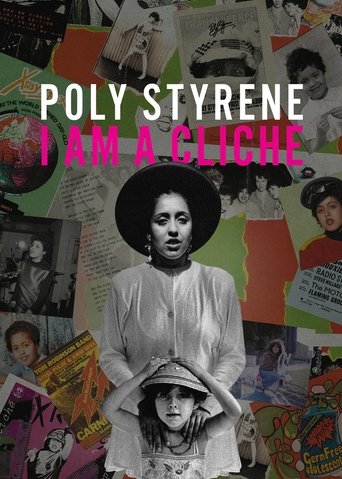
Poly Styrene: I Am a Cliché
2021 · ★ 6.6
The death of punk icon and X-Ray Spex front-woman Poly Styrene sends her daughter on a journey through her mother's archives in this intimate documentary.
More info →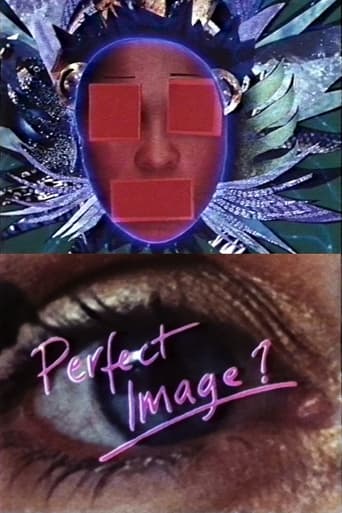
Perfect Image?
1989 · ★ 9
Two actresses take us through a series of 'raps' and sketches about what it means to be beautiful and black.
More info →