Madame V. Monsieur S.
★ 7 · 1989 · 52m · Documentary
Betty Van Sevenant, a young resistance fighter from Bruges, arrested in March 1942, was declared "Nacht und Nebel". She recounts her deportation to the Ravensbrück and Mauthausen camps until liberation. Tobias Schiff, a Polish Jew from Antwerp, was deported with his parents to Upper Silesia on August 28, 1942, on convoy No. 25. His story begins upon arrival at Auschwitz-Birkenau and concludes with the liberation of the Bergen-Belsen camp. (2 x 26 min.)
More Like This
102 Years in the Heart of Europe: A Portrait of Ernst Jünger
1998 · ★ 10
102 Years in the Heart of Europe: A Portrait of Ernst Jünger (Swedish: 102 år i hjärtat av Europa) is a Swedish documentary film from 1998 directed by Jesper Wachtmeister. It consists of an interview by the journalist Björn Cederberg with the German writer, philosopher and war veteran Ernst Jünger (1895-1998). Jünger talks about his life, his authorship, his interests and ideas. The actor Mikael Persbrandt reads passages from some of Jünger's works, such as Storm of Steel, The Worker, On the Marble Cliffs and The Glass Bees.
More info →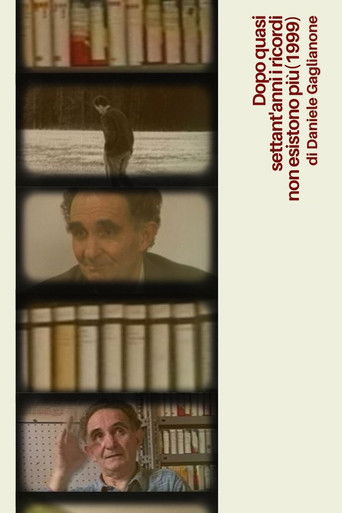
Dopo quasi settant'anni i ricordi non esistono più
2000
A portrait in seven fragments of Paolo Gobetti, an eclectic figure who, amid his tireless activity in Italian cinema and cultural landscape, founded the National Film Archive of Resistance (Archivio nazionale cinematografico della Resistenza, ANCR).
More info →
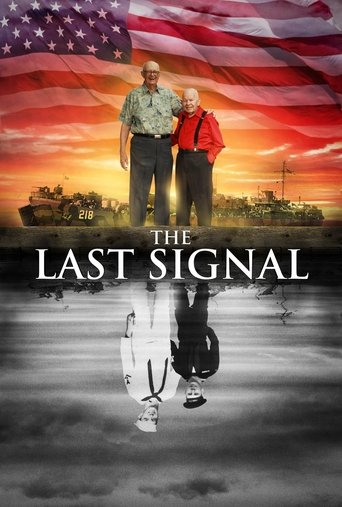
The Last Signal
2018
Two World War II Veterans reunite for the first time in 70 years after their inaugural voyage on Navy ship LST-218
More info →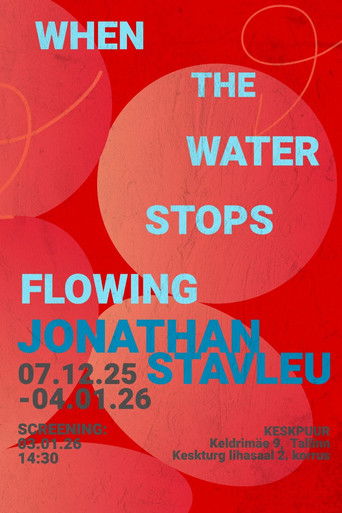
When the Water Stops Flowing
2026
Jonathan Stavleu explores, in a stream-of-consciousness video essay, the relationship people have with water and what happens when access to it is taken away. For this work, he examines anecdotal histories he has heard from Estonians, as well as stories from his own family history in the Netherlands, weaving them together into a journal-like narrative.
More info →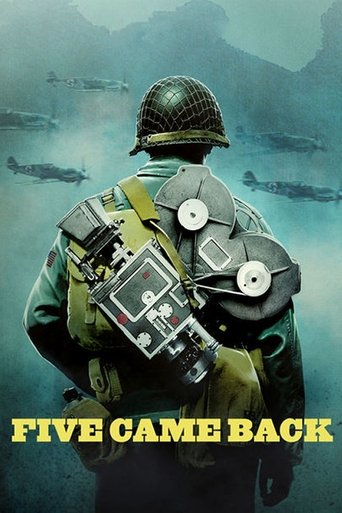
Five Came Back
2017 · ★ 7.9
The extraordinary story of how Hollywood changed World War II – and how World War II changed Hollywood, through the interwoven experiences of five legendary filmmakers who went to war to serve their country and bring the truth to the American people: John Ford, William Wyler, John Huston, Frank Capra, and George Stevens. Based on Mark Harris’ best-selling book, “Five Came Back: A Story of Hollywood and the Second World War.”
More info →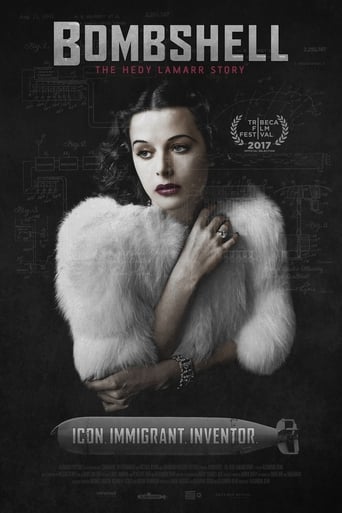
Bombshell: The Hedy Lamarr Story
2018 · ★ 6.9
The life and career of the hailed Hollywood movie star and underappreciated genius inventor, Hedy Lamarr.
More info →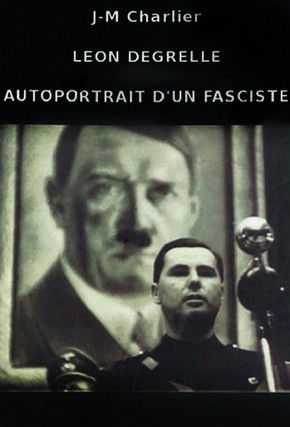
Léon Degrelle, Autoportrait d'un fasciste
1978
On the sidelines of history, some characters, often ignored of the greater public have, in the shadows, had a decisive weight on the most important events of our century. We are presenting you there «unknows». A two-part documentary, which is a two-and-a-half-hour interview with Léon Degrelle himself, was produced for FR3 in 1978 by Jean-Michel Charlier, as part of the series "LES DOSSIERS NOIRS" (The Obscure Records).The first part, "LÉON DEGRELLE: CHEF DE 'REX'" and the second part, "LE 'VOLKSFÜHRER' LÉON DEGRELLE".
More info →
The Forger
2017
Adolfo Kaminsky started saving lives when chance and necessity made him a master forger. As a teenager, he became a member of the French Resistance and used his talent to save the lives of thousands of Jews. The Forger is a well-crafted origin story of a real-life superhero.
More info →
Mystery Man of the A-Bomb
2023
Stories of the people who built the first atomic weapons are well known. But what about those who provided the uranium? We look at a mysterious man who derived huge profits from the business of war.
More info →
Eyewitness: D-Day
2019 · ★ 7.6
One famous day. Five heroes. Five key turning points that changed the course of World War II during the D-Day landings, told through the eyes of the people who made a difference. Using rarely seen archival footage dramatic reconstruction and written accounts from eye witnesses, and personal testimony from five heroes, this is D-Day as never seen before.
More info →