No Otter Zone
2012 · 16m · Documentary
The Southern Sea Otter was historically abundant along the California coastline until intense hunting pressures reduced their numbers to near-extinction levels. But now the otters are coming back, and with them they bring the potential for drastic change to the modern-day economics and ecology of the Santa Barbara Channel.
More Like This
Caraïbes sauvages, les rivages de la diversité
2018 · ★ 8
In the Caribbean, the Antilles archipelago stretches out in a string of islands blessed with abundant nature. Life has stubbornly taken root here, carried by the winds, washed up on the shore, or deposited by birds. Today, these islands are among the most biodiverse natural areas in the world. This film explores the wild, beautiful, and fragile Caribbean to discover some of the unique and singular animal species that inhabit it.
More info →Glowing in the Dark
1997 · ★ 7
Set against a backdrop of spectacular neon footage of Vancouver, Los Angeles, and Las Vegas, the film is an illuminating exploration into the vibrant history and contemporary use of neon. The movement, power, and raw exuberance of neon is revealed through a fascinating demonstration of how neon is made, a montage of notable neon installations and commentary from a colorful array of neon experts.
More info →
AVA
Breaking a centuries-old taboo, Ava stands as the first woman in Iran to master the male-dominated craft of carpentry. Within the grit and clamor of the workshop, she confronts a society that deems her presence forbidden. This observational documentary captures her daily battle against physical hardships and social judgment.
More info →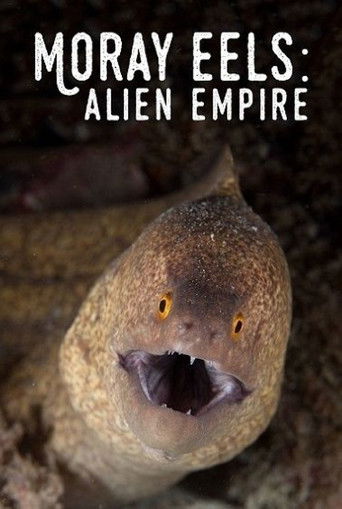
Moray Eels: Alien Empire
2008
Wildlife filmmaker Sigurd Tesche delves into the mysterious world of the moray eel to reveal the secrets of this supreme underwater predator and the truth behind its ugly reputation.
More info →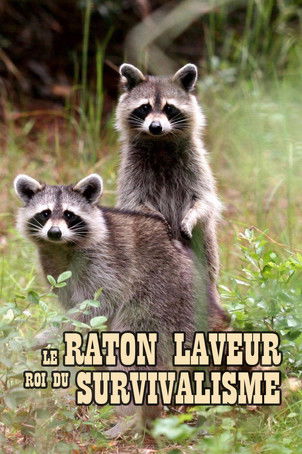
The Raccoon; The King of Survivalism
2021 · ★ 7
While, all over the world, multiple wild species are threatened, raccoons are displaying an unprecedented expansion. Beneath the innocent and graceful plush exterior hides an unparalleled "survivor" temperament. Omnivorous, curious, intelligent and extremely adaptable, raccoons prove to be very good at overcoming any challenge thrown by humans. But how do these clever creatures manage to survive both in the wild and in urban settings? Set in one summer in Georgia, USA, this film follows a litter of young raccoons from birth to adulthood on Jekyll Island.
More info →Life Will Smile
2017
Zakynthos is a Greek island on the Ionian Sea famed for its beauty. It also has the unique distinction of having saved all 275 of its Jewish inhabitants during WWII. In this compelling story, Haim Konstantini, one of the survivors, narrates how the islanders united to ensure the survival of their Jewish population. Two key figures instrumental to the story were Mr. Loukas Kerreri, Mayor of Zakynthos’ capital, and Bishop Chrysostomos, who both refused to list the island’s Jews for the occupying Nazis. They have been recognized as Righteous Among the Nations at Yad Vashem for their bravery.
More info →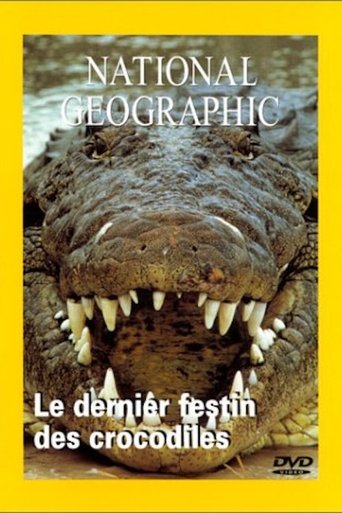
The Last Feast of the Crocodiles
1996 · ★ 8
In the daily struggle for survival, terrible thirst drives wildlife to water...even when the water is just inches away from the jaws of a crocodile. During one harsh season, a punishing drought draws some of Africa's most magnificent creatures to the shrinking pools of the Luvuvhu River. Its dwindling waters provide relief for baboons, impala, elephants, lions, water birds and bee-eaters - but also a refuge for scores of hungry crocodiles. Amidst the stunning scenes of nature at its harshest, strange things happen. A baby crocodile basks on top of a hippopotamus. Baboons attack a crocodile that has taken a youngster from the troop. Crocodiles harass a heron and steal its hard-won catch. And hippos calmly wade into the middle of a crocodile feeding frenzy. But the power of nature and her relentless drought may prove greater than even that of the most fearsome beasts. This cruel season may turn out to be the LAST FEAST OF THE CROCODILES.
More info →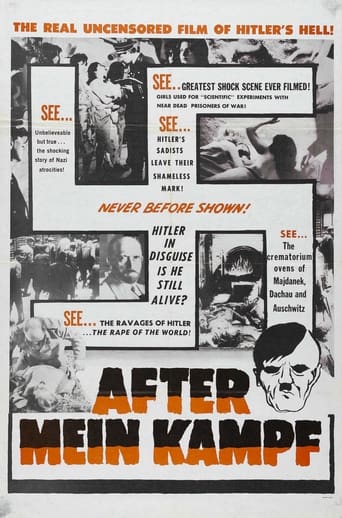
After Mein Kampf?
1961 · ★ 9
By combining actual footage with reenactments, this film offers both a documentary and fictional account of the life of Adolf Hitler, from his childhood in Vienna, through the rise of the Third Reich, to his final act of suicide in the waning days of WWII. The film also provides considerable, and often shocking, detail of the atrocities enacted by the Nazi regime under Hitler's command.
More info →
We Are Building New Villages
1946 · ★ 7
The document illustrates the reconstruction and modernization of Polish villages after the destruction during World War II.
More info →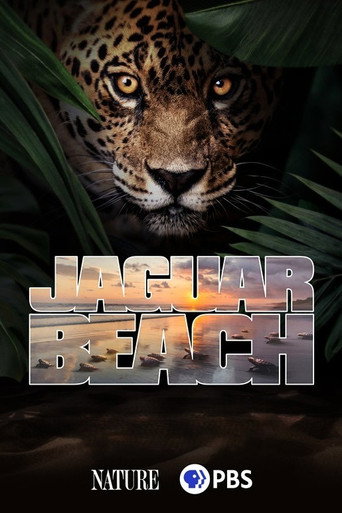
Jaguar Beach
2025
In a remote region on the Pacific coast of Costa Rica, a lush landscape characterized by volcanoes meets tropical dry forest. Right there is a very special beach where two completely different species meet: sea turtles and jaguars. This has spectacular consequences for both sides and their environment. The two animals form an alliance that is as surprising as it is unintentional. The predator suddenly becomes a protector.
More info →
The Truth About Killer Squid
2004
Gripping, hi-octane adventure as intrepid underwater explorer Jacquie Cozens and experienced filmmaker Mike deGruy attempt to uncover the truth behind the legendary Red Demon: an enormous flesh-eating squid. This film was first broadcast: 12 Sep 2004
More info →