Abandoned: Uncovering Fukushima
★ 8 · 2022 · 43m · Documentary
In 2011, a catastrophic nuclear disaster forced the immediate evacuation of Fukushima, Japan. This documentary follows an international team of scientists using hundreds of cameras to track and investigate the astonishing wildlife that now thrives in this deadly radioactive environment.
More Like This

Lili
2024
A heartwarming story about a precautious, 8-year-old girl exploring the world with her globetrotting father and growing up in an unconventional family.
More info →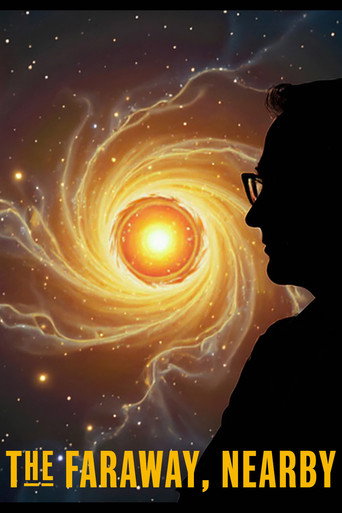
The Faraway Nearby
2024
The Faraway Nearby follows the tragic life of pioneer physicist Joseph Weber, whose pursuit of gravitational waves takes him on a dizzying journey from the height of acclaim to the depths of despair and disdain when he breaks the cardinal rule of science and clings to his ideas though his results can't be duplicated. Physicists, artists, and other creatives explore the emotional side of discovery and question whether the risk is worth the journey.
More info →La Dernière Meute
2013
On December 21, Nicolas Vanier will set off with his pack on a new expedition called L’Odyssée sauvage (The Wild Odyssey). He will travel nearly 6,000 kilometers to connect the Pacific Ocean to Lake Baikal, crossing Manchuria, Mongolia, and part of southern Siberia. The documentary follows the preparations for this journey.
More info →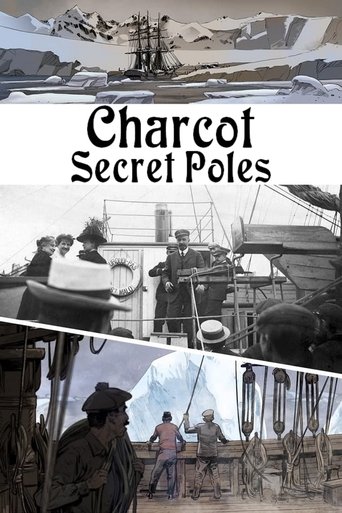
Charcot: Secret Poles
2016 · ★ 7.9
The adventures and exploits of Jean-Baptiste Charcot (1867-1936), an intrepid scientist and explorer who laid the foundations of modern oceanography.
More info →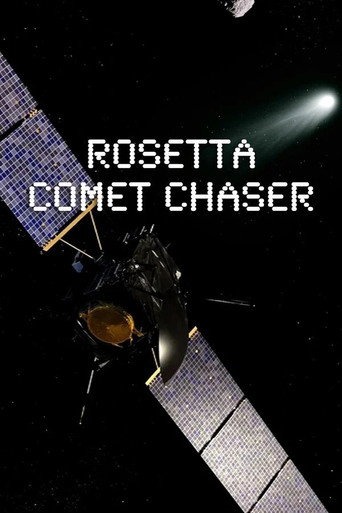
Rosetta Comet Chaser: A Journey To The Origins Of Life
2015 · ★ 8.5
On 12th November 2014 Philae lander achieved the 1st ever landing on a comet and became a Space celebrity overnight! This film takes viewers on this unique space odyssey, into deep space and behind the scene in the control room with scientists.
More info →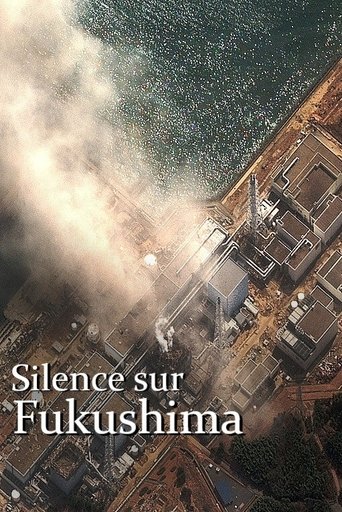

Ryuichi Sakamoto: CODA
2017 · ★ 7.4
Oscar-winning composer Ryuichi Sakamoto weaves man-made and natural sounds together in his works. His anti-nuclear activism grew after the 2011 Fukushima disaster, and his career only paused after a 2014 cancer diagnosis.
More info →
Secrets of Egypt's Lost Queen
2007 · ★ 7.5
Move over, King Tut: There's a new pharaoh on the scene. A team of top archaeologists and forensics experts revisits the story of Hatshepsut, the woman who snatched the throne dressed as a man and declared herself ruler. Despite her long and prosperous reign, her record was all but eradicated from Egyptian history in a mystery that has long puzzled scholars. But with the latest research effort captured in this program, history is about to change.
More info →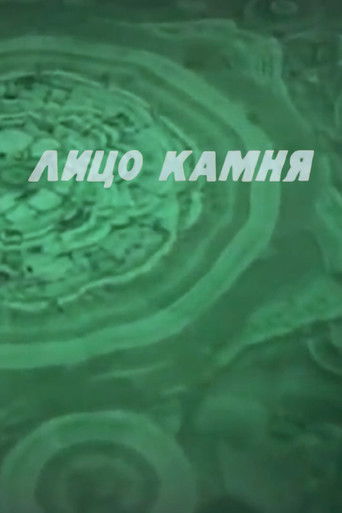
The Face of Stone
1970
The face of stone. About the natural beauty of Ural gemstones, about the unparalleled beauty of pieces and jewellery made by Russian master jewellers. Malachite was used in the furnishing of the lounge room at the Winter Palace in St. Petersburg, which is why it is called the Malachite Room. Also featured are malachite items made using the complex technique of Russian mosaic. This semi-precious stone became widely used by craftsmen after the discovery of huge malachite deposits in the Demidov mines in the Urals.
More info →
Fukushima: A Nuclear Nightmare
2026 · ★ 7
The definitive account of Japan’s struggle as it faced a nuclear catastrophe while still reeling from the devastation of an earthquake and tsunami.
More info →