Japanese Cinema: New Territories
2011 · 57m · Documentary
This documentary by Hubert Niogret looks at the revival of Japanese cinema during the 1990s.
More Like This
The Erotic Empire
2002
A short documentary primarily focused on Nikkatsu's Roman Porno series.
More info →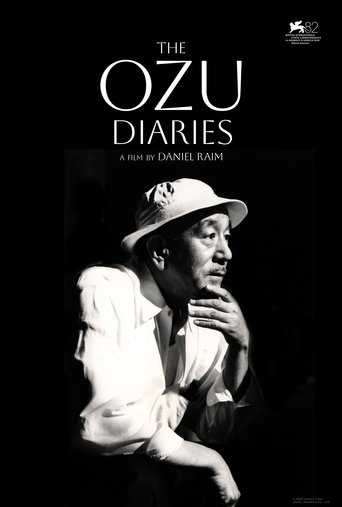
The Ozu Diaries
2025
Unveiling Yasujiro Ozu’s legacy through his personal diaries, letters, and interviews, the documentary delves into his life, creative process, and lasting impact on filmmaking.
More info →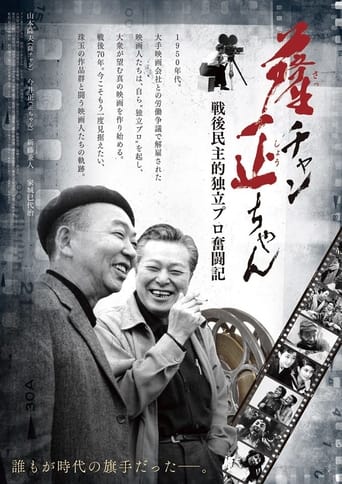
Sat-chan Tadashi-chan: Sengo minshu-teki dokuritsu pro funtō-ki
2015
After the war, many filmmakers were expelled from the Japanese film industry due to the Toho Dispute and the Red Purge. Amid such circumstances, there were people who set up their own independent production companies and embarked on film production without relying on corporations. This documentary film focuses on the passionate "spirit of film" of directors such as Satsuo Yamamoto and Tadashi Imai, who, despite many hardships, produced a succession of masterpieces overflowing with humanism and rebellious spirit.
More info →
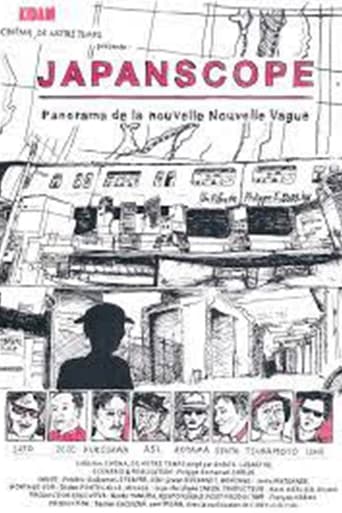
Japanscope, panorama de la nouvelle Nouvelle Vague
2015
A “Cinéma, de notre temps” series episode directed by french filmmaker Philippe-Emmanuel Sorlin, originally aired 16 June 2015.
More info →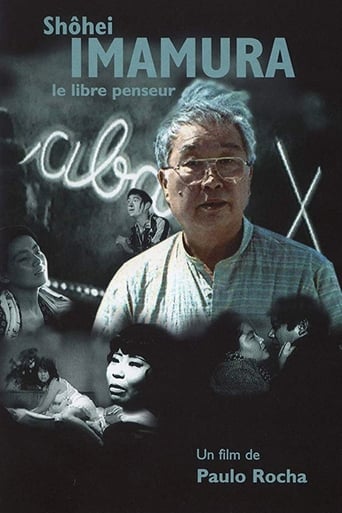
Shohei Imamura: The Freethinker
1995 · ★ 8.5
Documentary about Japanese film director Shohei Imamura.
More info →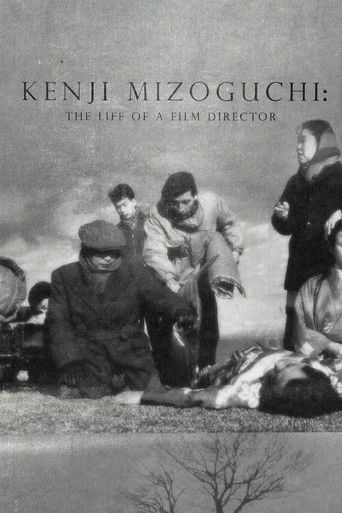
Kenji Mizoguchi: The Life of a Film Director
1975 · ★ 7.2
In 39 interviews with actors and actresses, writers, producers and staff members, interspersed with film excerpts and stills, Shindō recounts the life and career of his friend and mentor Mizoguchi.
More info →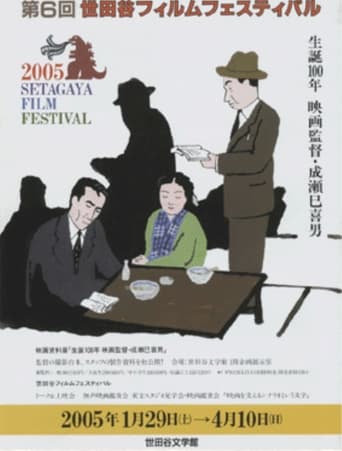
Mikio Naruse 100th Birth Anniversary
2005
Because his style was similar to that of Yasujiro Ozu, who was already active at Shochiku, he moved to PCL (currently Toho) in 1933, where he appeared in the talkie works "My Wife, Like a Rose" and "Tsuruhachi Tsurujiro." It got attention. There were times when he was unable to make as many films as he wanted due to wartime film regulations and post-war Toho disputes, but in 1951 he revived his career with Meshi. Since then, he has released masterpieces one after another, including "Okaasan," "Lightning," "The Couple," "Wife," "Anii Mouto," "Sounds of the Mountain," and "Bangiku." The pinnacle of his work, "Floating Clouds," is Kenji Mizoguchi's "Wife." Even director Ozu was impressed, calling it a masterpiece of Japanese cinema, on par with "The Sisters of Gion." He depicted ordinary people in everyday life with an everyday realism that was not influenced by lyricism, and he consistently sought out women as his subjects.
More info →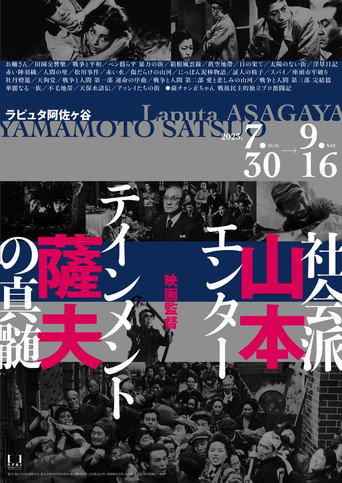
Film Director Satsuo Yamamoto
1993
A documentary made to commemorate the 10th anniversary of Satsuo Yamamoto's death.
More info →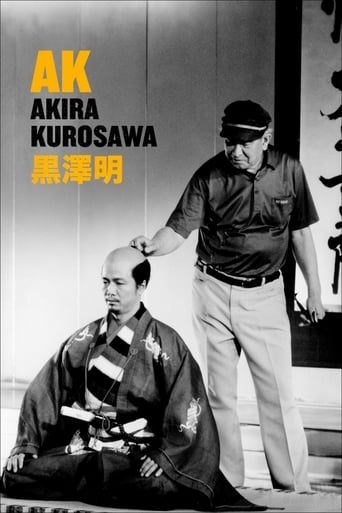
A. K.
1985 · ★ 6.3
An intimate chronicle of the shooting of Ran (1985), a film directed by the legendary Japanese filmmaker Akira Kurosawa.
More info →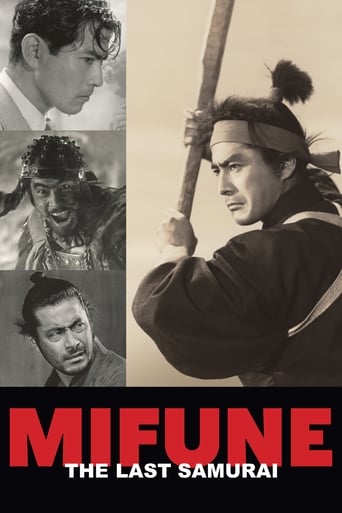
Mifune: The Last Samurai
2016 · ★ 7
An account of the life and work of legendary Japanese actor Toshirō Mifune (1920-97), the most prominent actor of the Golden Age of Japanese cinema.
More info →