The Green Guerillas: The Fight For The Philippines Rain Forest
1994 · 28m · Documentary · War
Filmed in a village of the indigenous Mandaya people, located in a mountainous area of southeastern Mindanao, the country's second largest island, the documentary portrays the struggle of the Communist Party of the Philippines and its armed wing, the New People's Army, for the rights of indigenous Filipino peoples and the environment, which are constantly under threat from landowners, large logging companies and agribusiness.
More Like This

Lessons in Dissent
2014
A vivid portrait of a generation of Hong Kongers committed to creating a new more democratic Hong Kong. Schoolboy Joshua Wong dedicates himself to stopping the introduction of National Education. Whilst former classmate Ma Jai fights against political oppression on the streets and in the courts. Catapulting the viewer on to the streets of Hong Kong and into the heart of the action. The viewer is confronted with Hong Kong's oppressive heat, stifling humidity and air thick with dissent. Filmed over 18 months this is a kaleidoscopic, visceral experience of their epic struggle.
More info →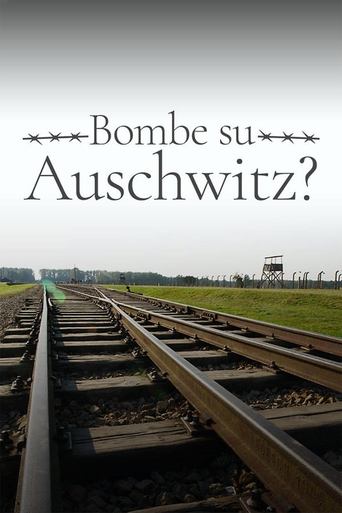
1944: Should We Bomb Auschwitz?
2019 · ★ 7.5
In 1944, two prisoners miraculously escaped from Auschwitz. They told the world of the horror of the Holocaust and raised one of the greatest moral questions of the 20th century.
More info →Gladstone and Disraeli: Clash of the Titans
2009
Huw Edwards presents a documentary examining the relationship between Victorian prime ministers Benjamin Disraeli and William Gladstone, whose bitter personal rivalry dominated British politics for 40 years.
More info →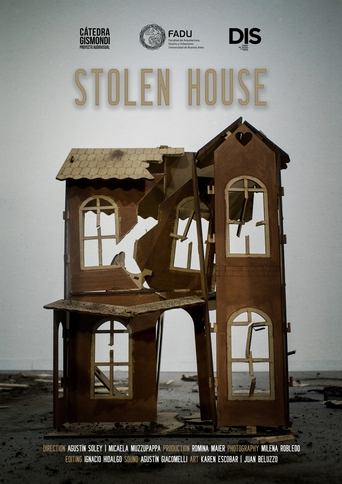
Stolen House
2023 · ★ 10
"Stolen House" is a documentary short film that follows the migration story of Mark, a Russian photographer, and Katya, a Ukrainian artist, to Argentina. Through narrations, staged scenes, and archival material, fragments of their lives, feelings, and motivations are explored.
More info →
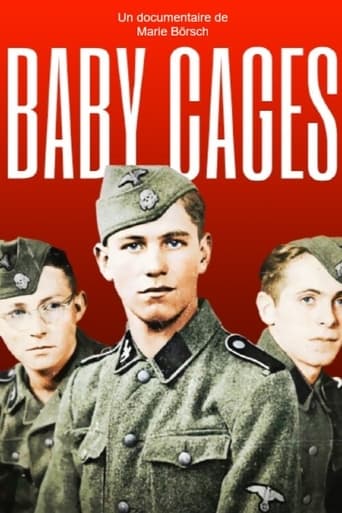
Baby Cages
2021 · ★ 6.5
After WWII had ended, it was realized by the American Allies that there were children whom Hitler trained to be soldiers between the ages of 9-17. They were the "Hitler Youth". As the adult German soldiers were taken as prisoners of war, so were the children. These boys were taken to France and reeducated by being taught democracy and treated better than the adult POWs. This story recounted by a former "baby cage" prisoner at the age of 92.
More info →
Jingle lang ang Pahina
2012
Jingle Chordbook Magazine, first published in 1970, promptly taught a generation of Filipinos to play the guitar. Its story also explores how a small independent publication survived the weight of its time – the dark Martial Law years – and how it inspired the Filipino youth to think for themselves and wield the guitar like a weapon. The documentary “Jingle Lang Ang Pahina” tells the story of Jingle, its ragtag crew, and its loyal fans in a rambling, multi-layered narrative told in different voices and perspectives by the writers, artists, fans, collectors, musicians, freaks.
More info →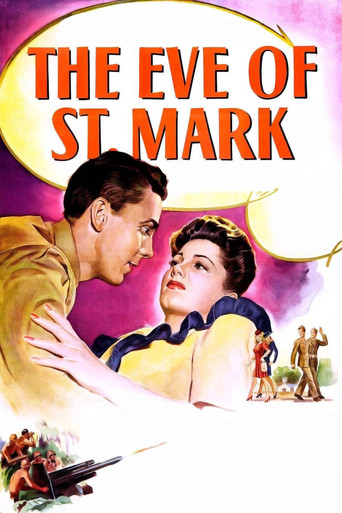
The Eve of St. Mark
1944 · ★ 5.9
Quizz West is conscripted into the United States Army in late 1940. Prior to being shipped out first to San Francisco, then the Philippines, Quizz and his hometown girlfriend Janet discuss their future plans.
More info →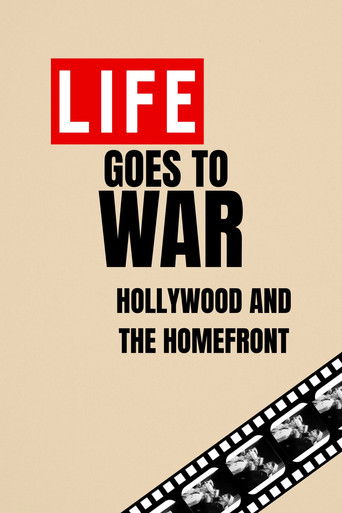
Life Goes to War: Hollywood and the Home Front
1977 · ★ 9
A retrospective on Hollywood's role in the war effort in World War II, narrated by Johnny Carson.
More info →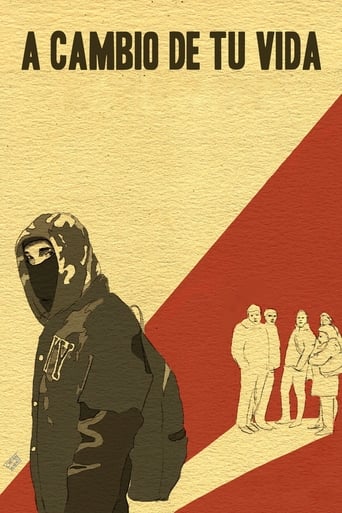
In Spite of Ourselves
2021
An explosion in one of the largest chemical plants in Europe, the Petrochemical complex in Tarragona, triggers the labour struggle of a group of workers who demand what is fair for everyone.
More info →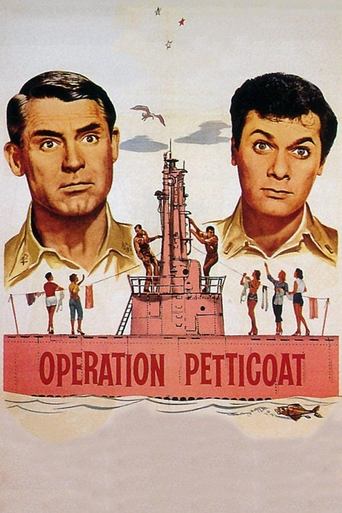
Operation Petticoat
1959 · ★ 7.2
A World War II submarine commander finds himself stuck with a damaged sub, a con-man executive officer, and a group of army nurses.
More info →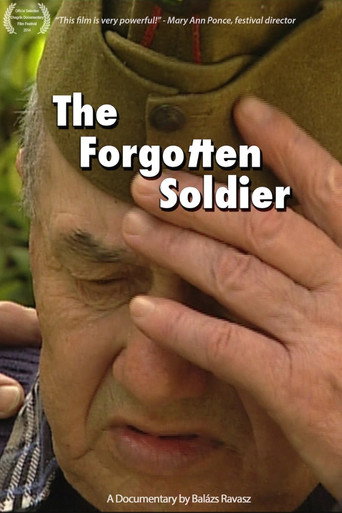
The Forgotten Soldier
2010 · ★ 10
Captured by the Red Army during World War II, Hungarian soldier András Toma was admitted to a Soviet psychiatric hospital. After disappearing from prisoner-of-war records, he was presumed dead in Hungary. Because his name was incorrectly recorded in medical documents and he spoke only Hungarian—mistaken by staff for incoherent speech—Toma spent decades misunderstood and isolated in the institution. Fifty-three years later, a visiting Slovak doctor recognised his language, triggering an investigation by Hungarian authorities. Toma was repatriated in 2000, believed to be the last prisoner of war from World War II to return home.
More info →