El Ariston
2024 · 67m · Documentary
In 1947 Marcel Breuer, a fundamental figure of the Bauhaus, visited Argentina and designed the Parador Ariston, in Mar del Plata. As time goes by, the Ariston will be forgotten. The context in which it was created leads us to discover how Mar del Plata is transformed into the dream city for vacations by Argentine families and the importance of architectural heritage.
More Like This

Bauhaus 100
2019 · ★ 6.5
In 1919 an art school opened in Germany that would change the world forever. It was called the Bauhaus. A century later, its radical thinking still shapes our lives today. Bauhaus 100 is the story of Walter Gropius, architect and founder of the Bauhaus, and the teachers and students he gathered to form this influential school. Traumatised by his experiences during the Great War, and determined that technology should never again be used for destruction, Gropius decided to reinvent the way art and design were taught. At the Bauhaus, all the disciplines would come together to create the buildings of the future, and define a new way of living in the modern world.
More info →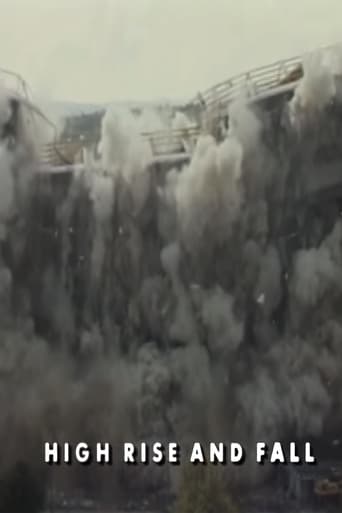
High Rise and Fall
1993
Documentary about Queen Elizabeth Square, Sir Basil Spence's block of Brutalist style flats built to replace the Gorbal's tenements in Glasgow during the 1960s. His vision was based on architect Le Corbusier's ideas and inspired him to transform the Gorbals into a Modernist Utopia. The film is about the life and times of one building told by some of the people involved in its history. The block was dynamited in 1993 amidst controversy and the death of a spectator. It is mentioned in Pevsner's Notable Buildings of Britain. This film was shown on BBC Scotland's Ex-S strand in 1993. Produced by May Miller and directed by Conrad Blakemore. This film is posted for educational and research purposes only and is copyright of BBC Scotland. Archive material courtesy of the Scottish Film Archive and the film's contributors.
More info →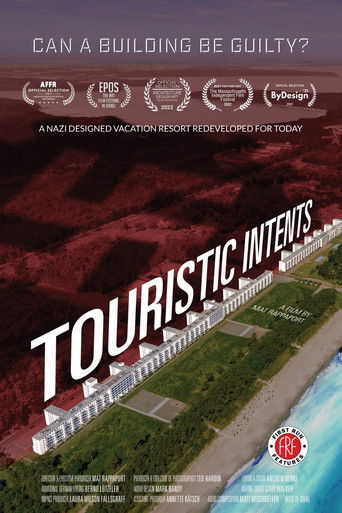
Touristic Intents
2021
touristic intents is a feature documentary film that explores the connection between mass tourism and political ideology. The film is centered on a case study: the never-completed Nazi resort of Prora, on Germany’s Baltic Sea, which was built on a mammoth scale beginning in 1936 to house 20,000 vacationing working-class Germans. This 4-mile-long building was used in propaganda to forward a promise of leisure time for the masses and strengthen sympathies between the workers and the Nazi party. Although the Nazis left the site unfinished, the Socialist East German government continued construction in the 1950s, using it for military training as well as housing for conscientious objectors pressed into labor by the GDR regime. After decades of abandonment, the massive edifice is now being redeveloped into apartments, condominiums, hotels, and a youth hostel.
More info →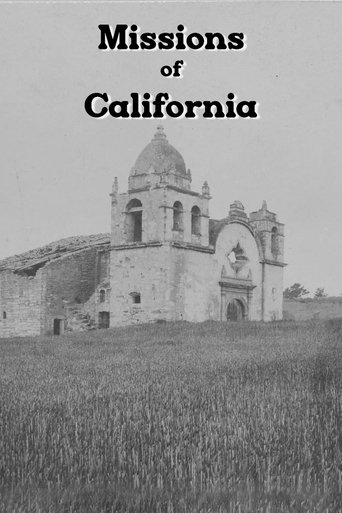
Missions of California
1907
A series of static shots of the buildings of the California Mission system, as they existed in 1907. Because many of the Mission buildings were in poor states of repair in 1907, director Norman Dawn uses glass shots, a technique where paintings are applied to a sheet of glass placed between the camera and the objects being photographed, in order to restore roofs and walls that had been destroyed.
More info →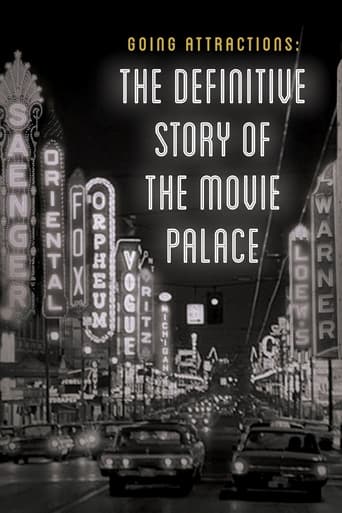
Going Attractions: The Definitive Story of the Movie Palace
2019 · ★ 6.3
Celebrating the splendor and grandeur of the great cinemas of the United States, built when movies were the acme of entertainment and the stories were larger than life, as were the venues designed to show them. The film also tracks the eventual decline of the palaces, through to today’s current preservation efforts. A tribute to America’s great art form and the great monuments created for audiences to enjoy them in.
More info →
Warsaw: A City Divided
2019 · ★ 6.8
The history of the Warsaw Ghetto (1940-43) as seen from both sides of the wall, its legacy and its memory: new light on a tragic era of division, destruction and mass murder thanks to the testimony of survivors and the discovery of a ten-minute film shot by Polish amateur filmmaker Alfons Ziółkowski in 1941.
More info →


The Giza Pyramids: Reaching for the Stars
2023 · ★ 7
Explores the Pyramids of Giza as Egyptologists try to unravel the mysteries and decipher the clues behind these stone giants built over 4,500 years ago.
More info →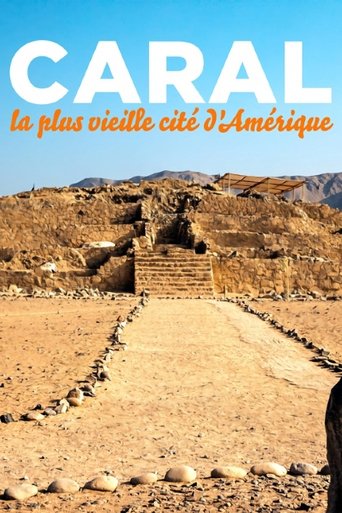
Caral: Sacred City of the Andes
2020 · ★ 8
The Sacred City of Caral or Caral-Supe is the capital of the Norte Chico Civilization of Supe located in the Supe Valley, 200 km (124 miles) north of Lima. The Sacred City of Caral is the earliest known civilization in the Americas, it dates to the Late Archaic period. Radiocarbon analysis performed by the Caral-Supe Special Archaeological Project (PEACS) dates its development between 3000 to 1800 B.C.. It is believed that this civilization started by the merging of small villages based on trade of agricultural and fishing products. Its importance rests on the success of techniques of domestication of cotton, beans, potatoes, chilis, squash among other products. Success in agriculture was due to the development of water canals, reservoirs and terraces. They used guano, bird excrement, and anchovies as fertilizer.
More info →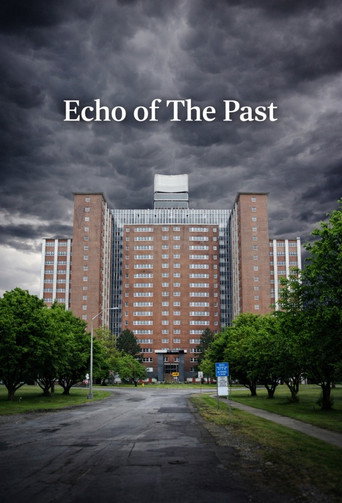
Echo Of The Past: The Terrence Tower
2012 · ★ 10
A historical documentary documenting the rise, function, and abandonment of a 17 story building that once housed The Rochester Psychiatric Center. This film tells the story of the building through historical footage, interviews of former staff and patients who recount their memories of the behemoth facility while also exploring the abandoned building as it is today.
More info →
Narbonne: The Second Rome
2021 · ★ 7
More than 2.000 years ago, Narbonne in today's Département Aude was the capital of a huge Roman province in Southern Gaul - Gallia Narbonensis. It was the second most important Roman port in the western Mediterranean and the town was one of the most important commercial hubs between the colonies and the Roman Empire, thus the town could boast a size rivaling that of the city that had established it: Rome itself. Paradoxically, the town that distinguished itself for its impressive architecture, today shows no more signs of it: neither temples, arenas, nor theaters. Far less significant Roman towns like Nîmes or Arles are full of ancient sites. Narbonne today is a tranquil town in Occitania
More info →