Developing Tomorrow’s Energy
1980 · 25m · Documentary
An account of the mining and refining of uranium showing how the development of energy from uranium is providing much of the world’s current needs. The film looks at the manufacturing of the uranium fuel used in CANDU lead reactors and explains the fission process, the fueling of reactors and the management of radioactive waste.
More Like This
Th (Part 11: Dr. Helen Caldicott)
2014 · ★ 5.1
Dr. Helen Caldicott is the most prominent anti-nuclear activist in the world. She's been featured on CNN, 60 Minutes, CBC and Democracy Now. In the 80s, Helen Caldicott campaigned against nuclear weapons testing in the pacific (still responsible today for the majority of tritium we're exposed to), and against the notion of a winnable nuclear war. She was nominated for a Nobel Peace Prize for her efforts. She has always made inaccurate statements regarding civilian nuclear power. But, since the Fukushima-Diachii radiation release has caused (and is projected to cause) zero fatalities... http://www.unis.unvienna.org/unis/en/... ...her tone has changed when speaking to supporters. This has not been acknowledged by prime-time media, as they continue to use her as a source. Any person or media outlet should check Caldicott's history of statements (on any subject) against a domain expert before using her as a source.
More info →

The Atom: A Love Affair
2019 · ★ 6.4
With a wealth of fantastic archive footage and a series of revealing interviews with those who had first-hand experience, filmmaker Vicki Lesley tells the turbulent story of the West’s love-hate relationship with a nuclear power over the past seventy years. Capturing both the tantalising promise and the repeated disappointments of this singular technology, the film reveals how the post-war, romantic fantasy of an Atom-powered future developed into the stormy, on-off relationship still playing out today. A tale of scientific passion and political intrigue all wrapped up in the packaging of a sentimental screen melodrama.
More info →Uranium Drive-In
2013
A new uranium mill -- the first in the U.S. in 30 years -- would re-connect the economically devastated rural mining community of Naturita, Colorado, to its proud history supplying the material for the first atomic bomb. Some view it as a greener energy source freeing America from its dependence on foreign oil, while others worry about the severe health and environmental consequences of the last uranium boom.
More info →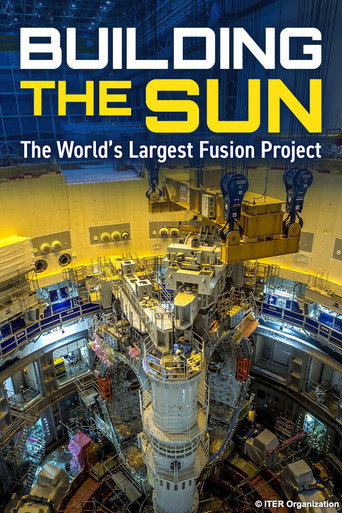
Building the Sun: The World's Largest Fusion Project
2026
ITER is an international attempt to meet humanity's energy needs by harnessing nuclear fusion. We take you within the ITER project to see how close the technology is to becoming a reality.
More info →
Fukushima Nuclear Accident: The Secret Containment Mission
2026
March 2011: The worst-case scenario for the Fukushima Daiichi nuclear accident involved the evacuation of all of eastern Japan, but a secret plan to contain the crisis was being prepared.
More info →
Fission
2025 · ★ 5.5
The climate crisis, Germany’s nuclear phase-out and Russia’s war against Ukraine are just three of the heavy pieces in the dramatic game about the future of energy. Caught in the middle are two small towns with barely a thousand residents each: Gundremmingen in Bavaria, home to a shuttered nuclear plant, and Choczewo on Poland’s Baltic coast, where the country’s first facility is now under construction. What do the good people on the ground think about it all?
More info →
Nuclear Fusion: The Promise of a New Energy Source
2023 · ★ 7.2
In October 2023, a European research team succeeded in generating an enormous amount of energy from very little fuel. A success that fusion research had been working towards for around 70 years. Now the competition for a fusion reactor has been reignited. What role can electricity from nuclear fusion play in the future?
More info →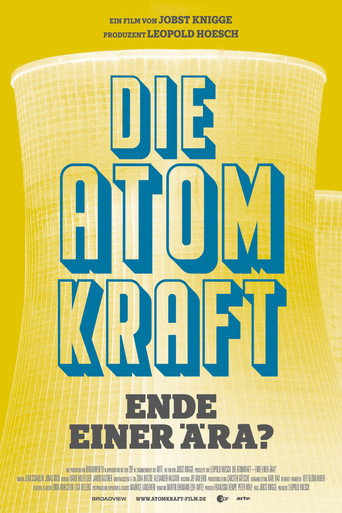
Nuclear Power - End of an Era?
2023 · ★ 9
Nuclear has always been a controversial energy source. While Germany is phasing out its nuclear power plants, France is building a new generation of nuclear reactors to keep the lights on. A look at the nuclear debate over the last few decades and what the future holds for atomic energy.
More info →