
Like an abortion, for the very first time
2018 · 102m · Documentary
The Umbrella Movement was a wave of street protests that took place in Hong Kong from September to December 2014 as a reaction to oppressive practices of the Chinese government against the citizens of Hong Kong dissatisfied with planned changes in the electoral system. In her feature film debut, To Liu captured the citizens of the western part of Kowloon, Mong Kok, whose protests might not have been as visible as those of the leading activists, but were no less important. The documentary rhythmized by opening entries and darkening of the scene, much like the director’s first film, follows two characters, a master and an apprentice.
More Like This

Lessons in Dissent
2014
A vivid portrait of a generation of Hong Kongers committed to creating a new more democratic Hong Kong. Schoolboy Joshua Wong dedicates himself to stopping the introduction of National Education. Whilst former classmate Ma Jai fights against political oppression on the streets and in the courts. Catapulting the viewer on to the streets of Hong Kong and into the heart of the action. The viewer is confronted with Hong Kong's oppressive heat, stifling humidity and air thick with dissent. Filmed over 18 months this is a kaleidoscopic, visceral experience of their epic struggle.
More info →
Notes before the Wind
2020
A loose collection of scenes in Hong Kong shot over a five-year period, this film begins with the Umbrella Movement in 2014 and ends right before the summer of 2019, when large-scale social unrest and violent resistance erupted. The everyday scenes capture the ambience and the landscape of change in the city, standing as a quiet prelude to the ensuing conflicts.
More info →
Do Not Split
2020 · ★ 7.4
The story of the 2019 Hong Kong protests, told through a series of demonstrations by local protestors that escalate into conflict when highly armed police appear on the scene.
More info →
June
2020 · ★ 6
I made June when I didn’t have any inspiration to create a feature film. The documentary is about the rarely known stories in the social movement in June. At first the clips of videos were kept for sorting out my feelings, but after being edited, they were made into a documentary and became a record of history. Six scenes and voices were used to tell what happened during that month.
More info →
Freedom for the Wolf
2017 · ★ 10
The Real Story of Fake Democracy. Filmed over three years in five countries, FREEDOM FOR THE WOLF is an epic investigation into the new regime of illiberal democracy. From the young students of Hong Kong, to a rapper in post-Arab Spring Tunisia and the viral comedians of Bollywood, we discover how people from every corner of the globe are fighting the same struggle. They are fighting against elected leaders who trample on human rights, minorities, and their political opponents.
More info →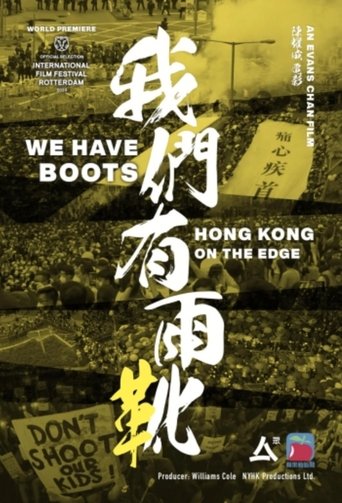
We Have Boots
2020 · ★ 7
The Umbrella Movement of 2014, also known as the Occupy Movement, paved the way for Hong Kong’s current upheavals, but unfolded in significantly different ways. This creative documentary focuses on the intellectual, political, and discursive underpinnings of the social and political actions of 2014, before fast-forwarding to 2019. A range of thoughtful and engaged intellectuals, students, scholars, activists, and artists including Benny Tai, Chan Kin-man, Ray Wong, and Agnes Chow (many of whom are facing imprisonment for their democratic activism) articulate a range of philosophies, viewpoints and emotions, set against Hong Kong’s spectacular urban background of skyscrapers, night lights, and street-occupying mass movements.
More info →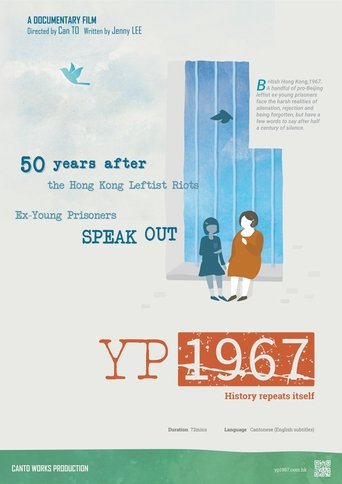
YP1967
2017
Everyone has their secrets. Everyone has the past no one’s heard about. But what makes an entire generation sit in stunned silence with unmentionable hesitation to talk about their past? Even the past was 50 years ago. Five decades after the Hong Kong leftist riots, six ex-young prisoners speak out for the first time about their personal and unmentionable experience. Documentary film YP1967 is about their love and hate towards their country, their honour and dishonour as a convicted criminal, their condonation and condemnation of the parties involved, and their truth-seeking and reconciliation with the past.
More info →
Revolution of Our Times
2021 · ★ 8.3
Throughout Hong Kong’s history, Hongkongers have fought for freedom and democracy but have yet to succeed. In 2019, a controversial extradition bill was introduced that would allow Hongkongers to be tried in mainland China. This decision spurred massive protests, riots, and resistance against heavy-handed Chinese rule over the City-State. Award-winning director Kiwi Chow documents the events to tell the story of the movement, with both a macro view of its historical context and footage and interviews from protestors on the front lines.
More info →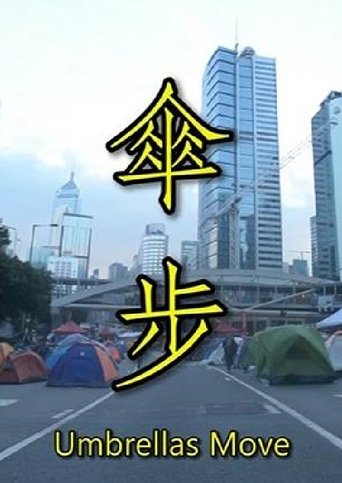
Umbrellas Move
2016
“Umbrellas Move” is a long feature documentary capturing scenes from Hong Kong’s city-wide protest, the occupy movement in 2014. This documentary witnessed a critical page of Hong Kong after transfer of sovereignty over Hong Kong from Britain to China. Around 1200 thousand people have involved in this longest occupation in the history of Hong Kong in 2014. 79 days of occupation, Hong Kong people are fighting for their rights to vote under a fair election in order to be against the political controls from China.
More info →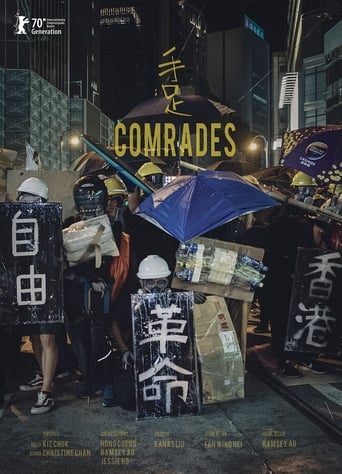
Comrades
2020 · ★ 6
Young people are protesting on the streets of Hong Kong in order to bring about change. Air soaked with tear gas, the dark uniforms and loud commands of the police officers in the colourful umbrella sea of the protesters. In the midst of the action, the film documents a brand new protest movement.
More info →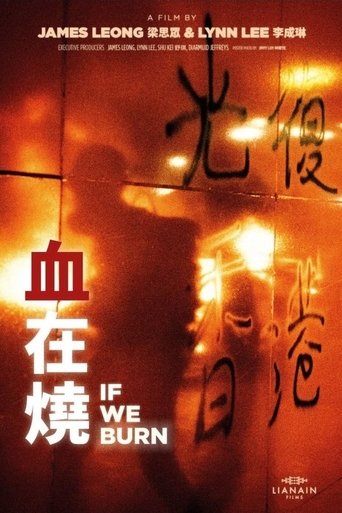
If We Burn
2023 · ★ 8
Hundreds of thousands − perhaps even millions − of protestors have taken to the streets of Hong Kong since early June. Sparked initially by the government's plans for a controversial extradition bill, the movement has now transformed into a broader push for greater freedoms and democracy, with anger over police brutality fuelling a cycle of violence. The protests are Hong Kong's biggest challenge to Beijing since its return to China in 1997. If We Burn looks at the movement through the eyes of Hong Kongers whose fates, like their city's future, now hang in the balance.
More info →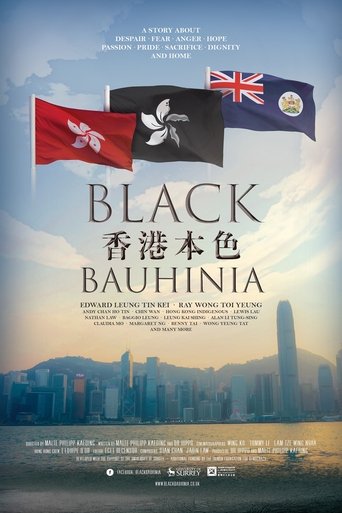
Black Bauhinia
2020
Two young Hong Kong activists reflect on their resistance against China, are forced to decide between long-term imprisonment and refugee camps for a life in exile, while their movement inspires mass protests in the city they love.
More info →