Wie konnte es geschehen? - Teil 1: "Deutschland erwache..." (1914 - 1938)
2006 · 104m · Documentary
In 1945, 160 German cities lay in ruins and the loss of millions of lives, billions in material assets and countless cultural treasures was mourned throughout Europe... With the question “How could it happen?”, the film goes back to the year 1914, when the “primal catastrophe of the 20th century” took its course with the First World War.
More Like This
Motherland
2009
Six American mothers, each grieving the death of a child, journey to South Africa to volunteer with impoverished children. The strength of the people they meet and the reality of the poverty they witness deeply affects them. They ultimately discover hope and healing as a result of serving others, and through the unexpected friendships they form with each other.
More info →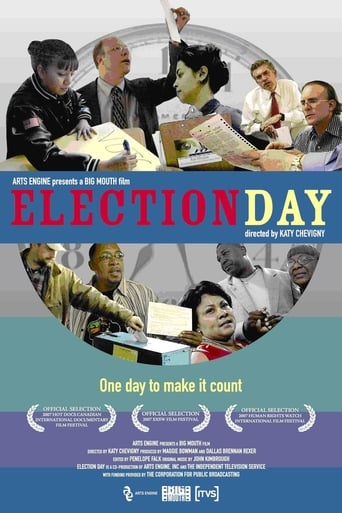
Election Day
2007
Forget the pie charts, color-coded maps and hyperventilating pundits. What's the street-level experience of voters in today's America? In a triumph of documentary storytelling, ELECTION DAY combines eleven stories--all shot simultaneously on November 2, 2004, from dawn until long past midnight--into one. Factory workers, ex-felons, harried moms, Native American activists and diligent poll watchers, from South Dakota to Florida, take the process of democracy into their own hands. The result: an entertaining, inspiring and sometimes unsettling tapestry of citizens determined on one fateful day to make their votes count.
More info →My Neighbor, My Killer
2009 · ★ 6.5
The people of Rwanda attempt to reconcile after the genocide through an open process of admission and forgiveness.
More info →Life Will Smile
2017
Zakynthos is a Greek island on the Ionian Sea famed for its beauty. It also has the unique distinction of having saved all 275 of its Jewish inhabitants during WWII. In this compelling story, Haim Konstantini, one of the survivors, narrates how the islanders united to ensure the survival of their Jewish population. Two key figures instrumental to the story were Mr. Loukas Kerreri, Mayor of Zakynthos’ capital, and Bishop Chrysostomos, who both refused to list the island’s Jews for the occupying Nazis. They have been recognized as Righteous Among the Nations at Yad Vashem for their bravery.
More info →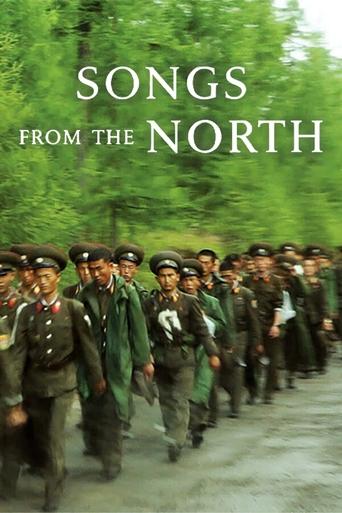
Songs From the North
2015 · ★ 7
Interweaving footage from the director’s three visits to North Korea with songs, spectacle, popular cinema and archival footage, Songs from the North takes a different look at this enigmatic country typically seen through the distorted lens of jingoistic propaganda and derisive satire. Challenging the meaning of freedom, love, patriotism and ultimately the human condition, it tries to understand, on their own terms, the psychology and popular imaginary of the North Korean people and the political ideology of absolute love which continues to drive the nation towards its uncertain future.
More info →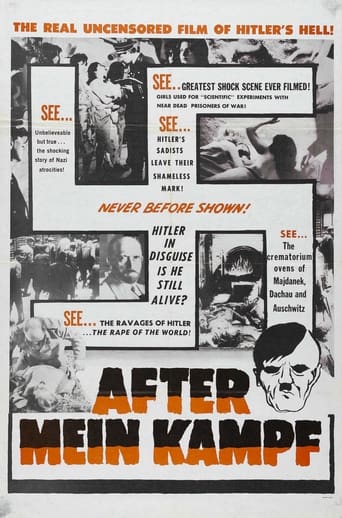
After Mein Kampf?
1961 · ★ 9
By combining actual footage with reenactments, this film offers both a documentary and fictional account of the life of Adolf Hitler, from his childhood in Vienna, through the rise of the Third Reich, to his final act of suicide in the waning days of WWII. The film also provides considerable, and often shocking, detail of the atrocities enacted by the Nazi regime under Hitler's command.
More info →
Jimi Plays Monterey
1987 · ★ 7.5
Jimi Hendrix's debut American set at 1967's Monterey Pop Festival is generally considered one of the most radical and legendary live shows ever. Virtually unknown to American audiences at the time, even though he was already an established entity in the UK, Hendrix and his two-piece Experience explode on stage, ripping through blues classics "Rock Me Baby" and Howlin' Wolf's "Killing Floor," interpreting and electrifying Bob Dylan's "Like a Rolling Stone," debuting songs from his yet-to-be-released first album and closing with the now historic sacrificing/burning of his guitar during an unhinged version of "Wild Thing" that even its writer Chip Taylor would never have imagined. Hendrix uses feedback and distortion to enhance the songs in whisper-to-scream intensity, blazing territory that had not been previously explored with as much soul-frazzled power.
More info →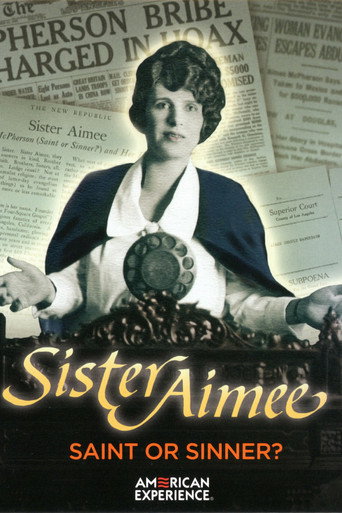
Sister Aimee
2007 · ★ 10
At the peak of her immense popularity in the 1920s, evangelist Aimee Semple McPherson was drawing larger crowds to her revivals than those of P.T. Barnum or Harry Houdini. This chapter of "American Experience" paints a vivid portrait of the controversial and charismatic religious figure. Credited with mainstreaming religion in American culture, Sister Aimee created one of the country's first Christian radio stations, among other accomplishments.
More info →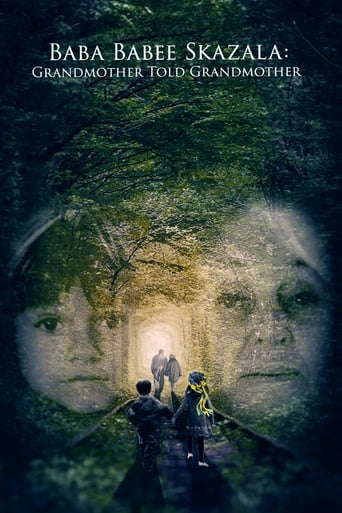
Grandmother Told Grandmother
2018
The little-known story of Ukrainian children torn from their homes in the crush between the Nazi and Soviet fronts in World War II. Spending their childhood as refugees in Europe, these inspiring individuals later immigrated to the United States, creating new homes and communities through their grit, faith and deep belief in the importance of preserving culture.
More info →
Contrary Warriors: A Film of the Crow Tribe
1985 · ★ 7
Examines the impact a century of struggling for survival has on a native people. It weaves the Crow tribe's turbulent past with modern-day accounts from Robert Yellow-tail, a 97-year-old Crow leader and a major reason for the tribe's survival. Poverty and isolation combine with outside pressures to undermine the tribe, but they resist defeat as "Contrary Warriors," defying the odds.
More info →