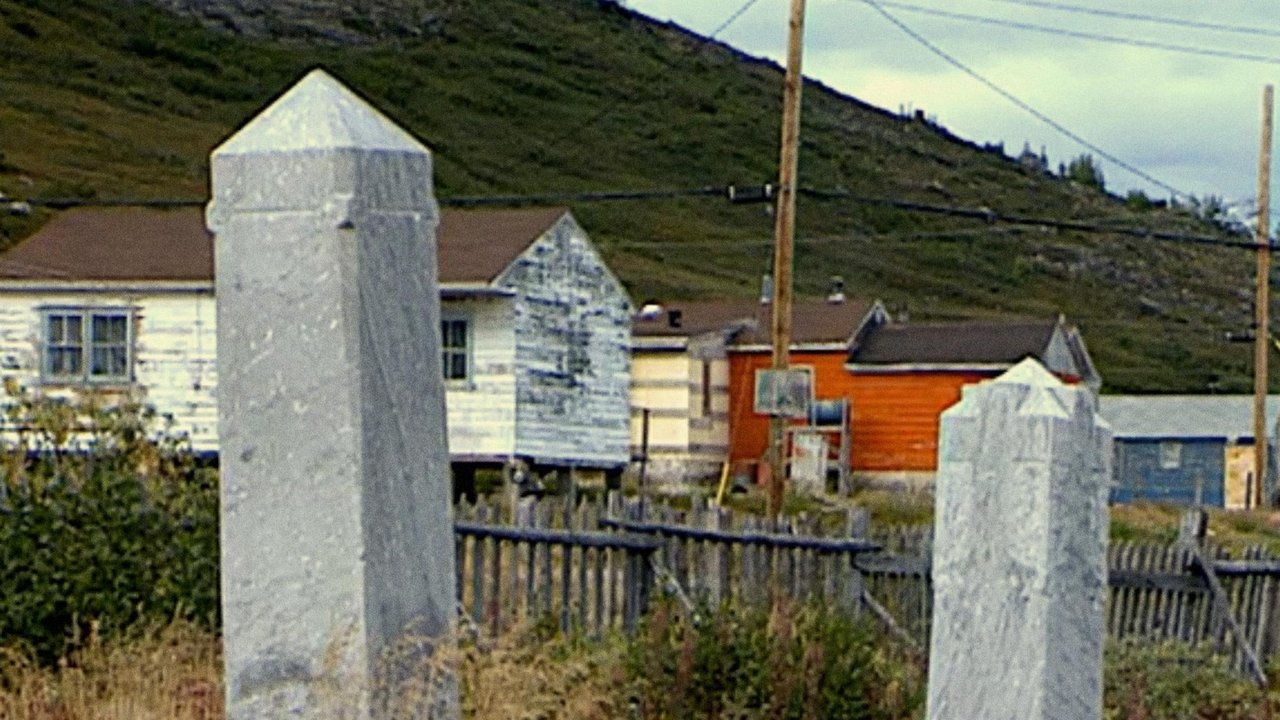
Eye of the Storm
1997 · 44m · Documentary
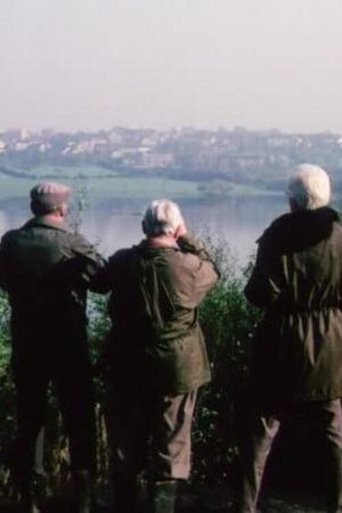
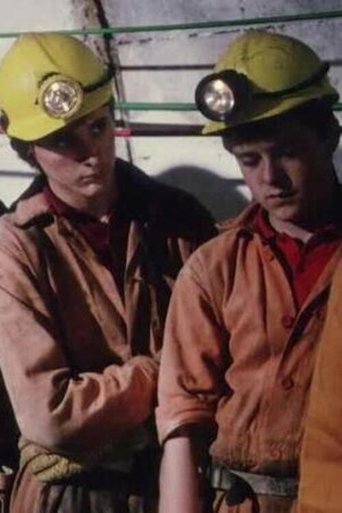
A documentary about Nain, a Labrador Inuit community located near the world's largest nickel and copper deposits. As commercial mining interests prepare to exploit the resources, local residents consider the potential environmental and cultural impact. Meanwhile longstanding Aboriginal land claims are unsettled.
More Like This

Foster Child
1987 · ★ 5
Gil Cardinal searches for his natural family and an understanding of the circumstances that led to his becoming a foster child. An important figure in the history of Canadian Indigenous filmmaking, Gil Cardinal was born to a Métis mother but raised by a non-Indigenous foster family, and with this auto-biographical documentary he charts his efforts to find his biological mother and to understand why he was removed from her. Considered a milestone in documentary cinema, it addressed the country’s internal colonialism in a profoundly personal manner, winning a Special Jury Prize at Banff and multiple international awards.
More info →
The Dreamtime
★ 10
The Europeans want to be forgiven for the tragic colonial period. The aborigines try to preserve their ancient roots from the present and the future. In the North Territory.
More info →
Labrador North
1973
This short documentary looks at the government relocation of the Labrador Inuit and the effects on their culture and social structures.
More info →
Confederation Film
2021
Short doc/essay film exploring Newfoundland's relationship to film before and after confederation.
More info →I Am a Miner's Son
2018
'I Am a Miner's Son' consists of recordings of a flooded mine in southwestern Poland and an abandoned hotel in Greece. It is a wandering through used up spaces which were given a new life, which are infected by chaotic rashes of social subconscience.
More info →
The Death of Jack Astor
2023
Documentation of the legendary all ages hardcore punk show held at a Jack Astor's Sports Bar & Grill during operating business hours in St. John's, Newfoundland. Featuring performances from local hardcore heavyweights Carnage, GlitterGlue, Buck 50'd, and the debut performance of Life Jolt.
More info →
Grängesberg
1908
Images from Grängesberg's mines. The ore is loaded onto trains and transported to the port of Oxelösund.
More info →
Raise Her Up: Celebrating a Century of Votes
2025
Raise Her Up follows the historian, advocate, and artist creating a statue of Armine Gosling, marking 100 years of womens suffrage in Newfoundland.
More info →
The Cost of Cobalt
2021
In the cobalt mining areas of Katanga in the Democratic Republic of the Congo (DRC), babies are being born with horrific birth defects. Scientists and doctors are finding increasing evidence of environmental pollution from industrial mining which, they believe, may be the cause of a range of malformations from cleft palate to some so serious the baby is stillborn. More than 60% of the world’s reserves of cobalt are in the DRC and this mineral is essential for the production of electric car batteries, which may be the key to reducing carbon emissions and to slowing climate change. In The Cost of Cobalt we meet the doctors treating the children affected and the scientists who are measuring the pollution. Cobalt may be part of the global solution to climate change, but is it right that Congo’s next generation pay the price with their health? Many are hoping that the more the world understands their plight, the more pressure will be put on the industry here to clean up its act.
More info →
Priory: The Only Home I've Got
1979 · ★ 7
The Priory is a public extended-care hospital in Victoria, British Columbia, for people suffering from chronic geriatric illnesses. Treatment is innovative. It is based on the theory that even the ordinary activities of a patient's life contain elements of therapy. The film shows us how patients are encouraged to do as much as they can for themselves despite their confinement to wheelchairs.
More info →
Harlan County U.S.A.
1977 · ★ 7.5
This film documents the coal miners' strike against the Brookside Mine of the Eastover Mining Company in Harlan County, Kentucky in June, 1973. Eastover's refusal to sign a contract (when the miners joined with the United Mine Workers of America) led to the strike, which lasted more than a year and included violent battles between gun-toting company thugs/scabs and the picketing miners and their supportive women-folk. Director Barbara Kopple puts the strike into perspective by giving us some background on the historical plight of the miners and some history of the UMWA. Preserved by the Academy Film Archive in partnership with New York Women in Film & Television in 2004.
More info →