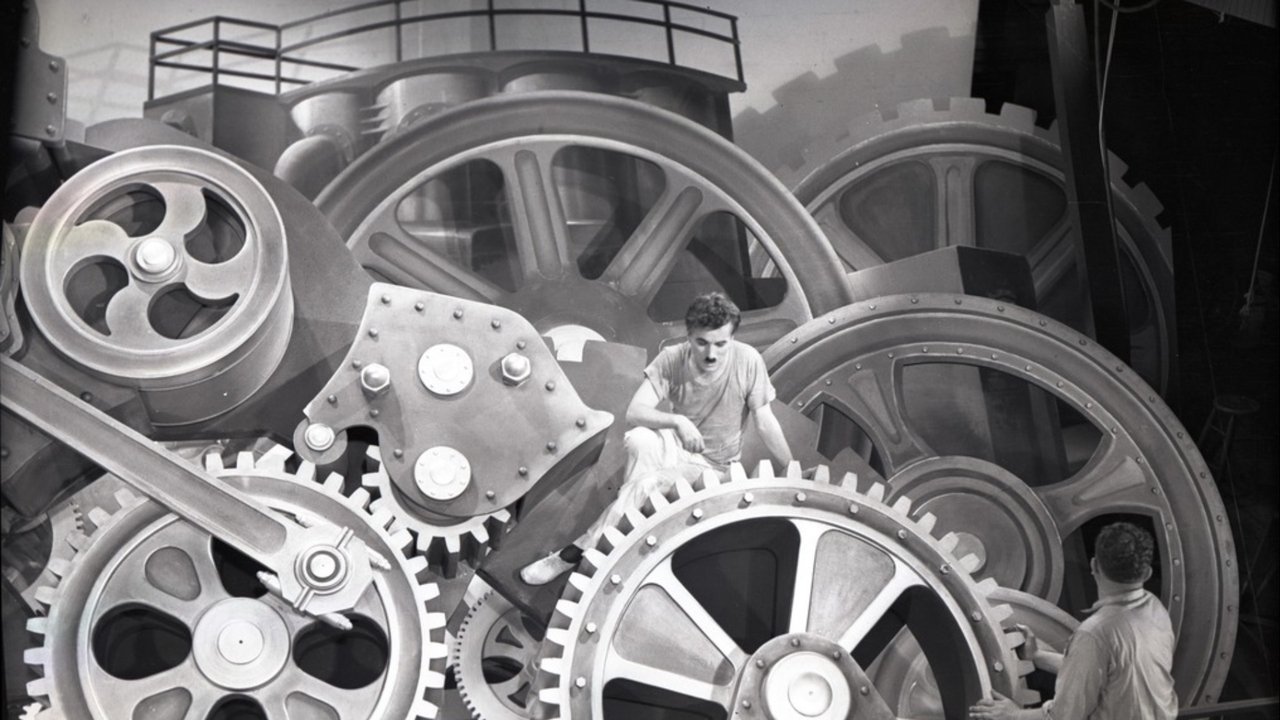
Chaplin et Les temps modernes, La voie du silence
2025 · Documentary
In 1936, the sound film had already been around for a decade. Nevertheless, Charlie Chaplin (1889-1977) made another silent film, "Modern Times", which only used sound effects as a dramaturgical device. Speaking is reserved for the apparatus alone. The film became a monument in the history of cinema for this very reason.
More Like This
Stanley Donen: You Just Do It
2010
Story of a director Stanley Donen, king of Hollywood musicals and man behind such classics as "Singin' in the Rain".
More info →
Kubrick Remembered
2014 · ★ 6.3
An 83-minute candid look into the life of Kubrick, including interviews with his widow, family, coworkers and actors, and featuring a tour of the Archive in London and an inside look into Kubrick's home.
More info →
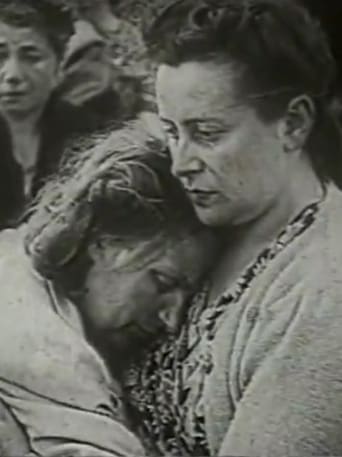
Witnesses
1987 · ★ 7.3
On July 4th, 1946, the crowd in Kielce, Poland, slaughtered forty-two Jews and wounded many others. Forty years later, in 1987, Marcel Łoziński visited those places and met some witnesses of the carnage.
More info →
Sergei Parajanov: The Rebel
2003 · ★ 5
This documentary is not a straightforward portrait of Armenian film director Sergei Paradjanov's life, but rather a fluid celebration of his talent and creativity. Focusing on the collages he produced during his years in prison, and featuring interviews with the director himself, Cazals' film demonstrates the scope of Paradjanov's artistic vision, lovingly commemorating this rebel of art cinema.
More info →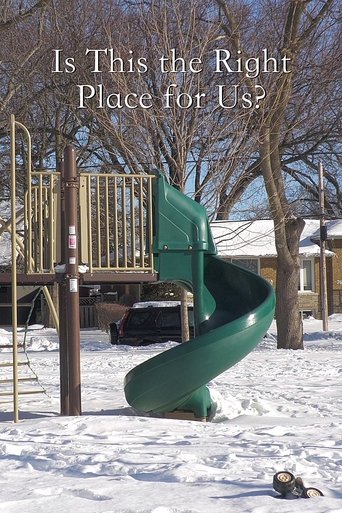
Is This the Right Place for Us?
2025
A short experimental documentary that interrogates how the modernization of parks and playgrounds in Long Branch (a neighbourhood in South Etobicoke in Toronto, Canada) both reflects and contributes to the overall rise in the cost of living in the area by exploring children's relationships to the community spaces around them. The film includes footage from four local parks and playgrounds, personal archival materials, interviews with five South Etobicoke locals, and an art-based workshop at a local junior middle school.
More info →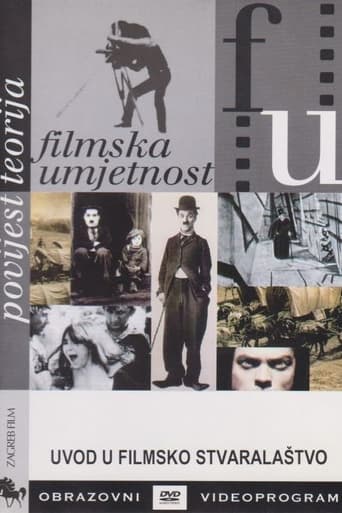
Introduction to Filmmaking
2006
We live with films every day, and it seems nothing easier than answering the question: what is a film? Obviously, a film is, first and foremost, a document, a testimony of the world that surrounds us. The rich expressional possibilities of film are based on the imperfection of the human eye, its sluggishness, so thanks to the stroboscopic effect we can animate a still image. Film is therefore a kinetic image, or a moving image. It can make the invisible visible, bring the distant closer, enlarge the small, speed up the slow, slow down the fast, and return the end to the beginning. The technological basis of film: light, film tape, camera, projector, film screen. Expressive possibilities of film: scientific, documentary, communicative, artistic. Basic film genres: differences among films.
More info →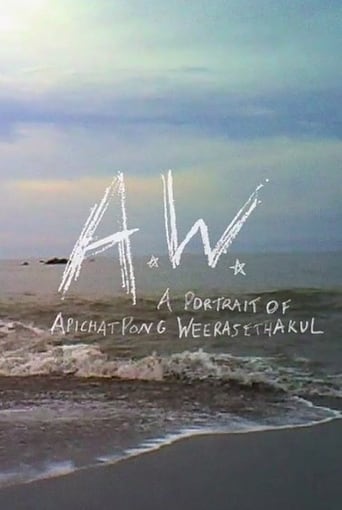
A.W. A Portrait of Apichatpong Weerasethakul
2018 · ★ 7.5
Canadian actor and filmmaker Connor Jessup (Closet Monster, Falling Skies) profiles Apichatpong Weerasethakul, a maverick of Thai cinema who explores the slippery nature of time and consciousness with a sublimely idiosyncratic, often surreal approach to film form.
More info →
Robot Somnambulism
2018
In this era, robotic peo- ple making humanized machine, is it a hopeless tragedy, or the beginning of a brave new world?
More info →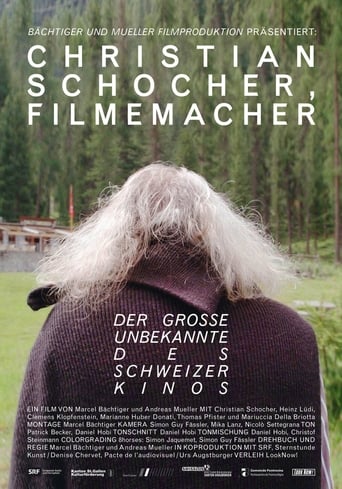
Christian Schocher, Filmemacher
2015
Documentary on Christian Schocher, director of the legendary «Reisender Krieger» (1980).
More info →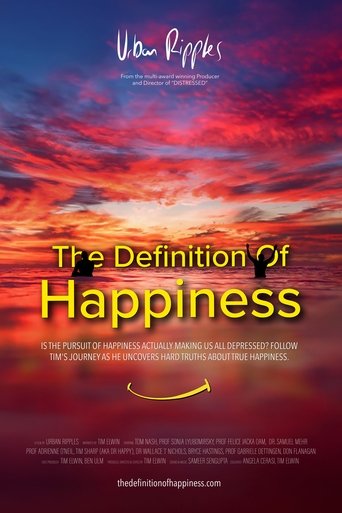
The Definition of Happiness
2025
In a world obsessed with happiness, so many of us are feeling more lost than ever. After a life-altering accident, Tim travels across four countries to explore how we define happiness — and whether we’re even asking the right questions. What he discovers could change the way we live, and what we value, forever.
More info →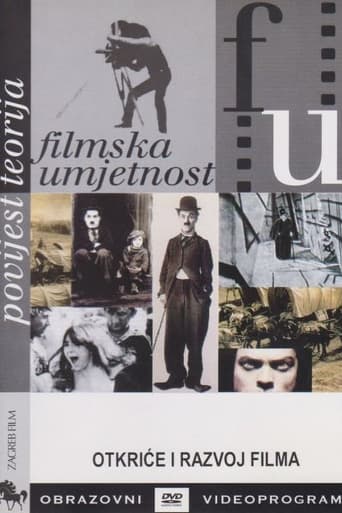
The Discovery and Development of Film
2006
The birth date of film can be established: December 28, 1895. The place where it happened is also known: Paris, Boulevard des Capucines, Grand Caffe. It is also known who did it first: Louis Lumiere. However, the history of film starts in distant, almost unknown times: from drawings of cave people, through reliefs from Egyptian times, to the discovery of photography. Development of film technique: silent film, sound film, color film. Development of film expression: film as a recording of reality, film as an interpretation of reality, film as fiction or new reality. Development of film as an industry.
More info →