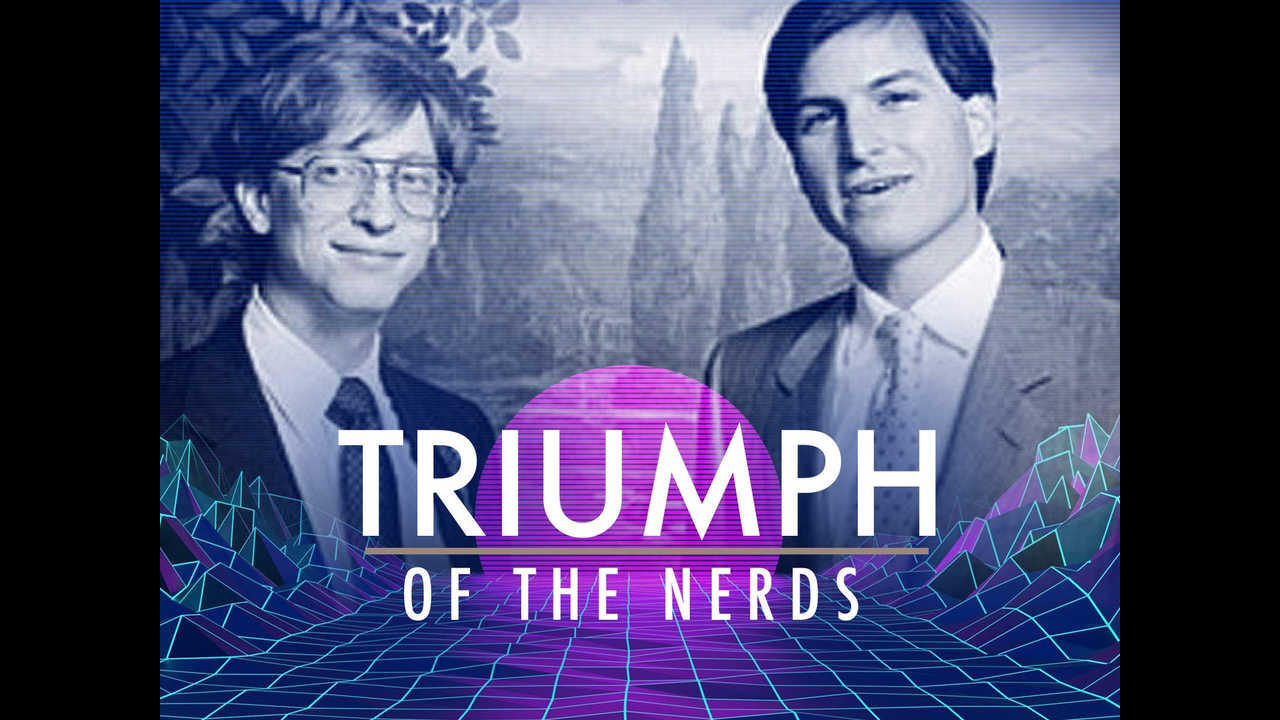
The Triumph of the Nerds: The Rise of Accidental Empires
★ 7.4 · 1996 · 165m · Documentary
It happened more or less by accident; the people who made it happen were amateurs; and for the most part they still are. From his own Silicon Valley garage, author Bob Cringley puts PC bigshots and nerds on the spot, and tells their incredible true stories. Like the industry itself, the series is informative, funny and brash.
More Like This

AlphaGo
2017 · ★ 7.7
The ancient Chinese game of Go has long been considered a grand challenge for artificial intelligence. Yet in 2016, Google's DeepMind team announced that they would be taking on Lee Sedol, the world's most elite Go champion. AlphaGo chronicles the team as it prepares to test the limits of its rapidly-evolving AI technology. The film pits man against machine, and reveals as much about the workings of the human mind as it does the future of AI.
More info →
Eternal You
2024 · ★ 6.7
Startups are using AI to create avatars that allow relatives to talk with their loved ones after they have died. An exploration of a profound human desire and the consequences of turning the dream of immortality into a product.
More info →
Fake: Searching for Truth in the Age of Misinformation
2020 · ★ 6
A new, original documentary from Connecticut Public, Fake: Searching for Truth in the Age of Misinformation, takes on this topic, just in time for the 2020 election season. Viewers will learn how and why misinformation spreads, and how to be a smarter information consumer in our increasingly digital world.
More info →
Welcome to Macintosh
2008 · ★ 5.6
"Welcome to Macintosh" is a documentary that mixes history, criticism and an unapologetic revelry of all things Apple. Whether a long time Mac fanatic or new to computers, Welcome to Macintosh explores the many ways Apple Computer (now Apple, Inc.) has changed the world, from the early days of the Apple-I to the latest the company has to offer.
More info →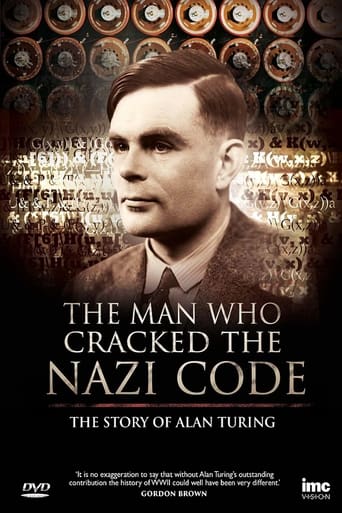
The Man Who Cracked the Nazi Code: The Story of Alan Turing
2014 · ★ 7
During the Second World War, the allies' key objective was to crack the German army's encrypted communications code. Without a doubt, the key player in this game was Alan Turing, an interdisciplinary scientist and a long-forgotten hero.
More info →
Computer Dreams
1988 · ★ 9
A documentary about the exciting possibilities of computer animation and the shaping of never before imagined worlds.
More info →
Another Body
2023 · ★ 6.8
A college student searches for justice after she discovers deepfake pornography of herself circulating online.
More info →
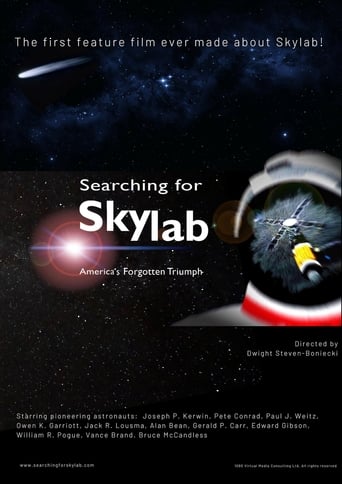
Searching for Skylab, America's Forgotten Triumph
2019 · ★ 7
The first American space station Skylab is found in pieces scattered in Western Australia. Putting these pieces back together and re-tracing the Skylab program back to its very conception reveals the cornerstone of human space exploration.
More info →
Revolution OS
2001 · ★ 7
REVOLUTION OS tells the inside story of the hackers who rebelled against the proprietary software model and Microsoft to create GNU/Linux and the Open Source movement.
More info →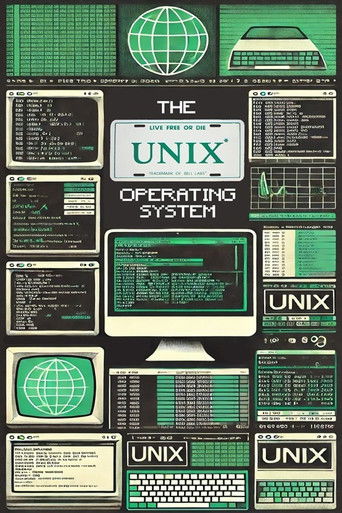
The UNIX Operating System
1982 · ★ 7
"The UNIX Operating System" is a documentary that Bell Labs made in 1982 about UNIX's significance, impact and usability. Even 10 years after its first installation, it's still an introduction to the system. The film was geared towards software developers, computer science students and programmers and contains interviews with primary developers Dennis Ritchie, Ken Thompson, Brian Kernighan, and many others. While widespread use of UNIX has waned, most modern operating systems have at least a conceptual foundation in UNIX.
More info →
What Killed the Roman Empire?
2022 · ★ 7.3
Why did the Roman Empire, which dominated Europe and the Mediterranean for five centuries, inexorably weaken until it disappeared? Archaeologists, specialists in ancient pathologies and climate historians are now accumulating clues converging on the same factors: a powerful cooling and pandemics. A disease, whose symptoms described by the Greek physician Galen are reminiscent of those of smallpox, struck Rome in 167, soon devastating its army. At the same time, a sudden climatic disorder that was underway as far as Eurasia caused agricultural yields to plummet and led to the westward migration of the Huns. Plagued by economic and military difficulties, attacked from all sides by barbarian tribes, the Roman edifice gradually cracked.
More info →