Herculanum, les papyrus décodés
★ 8 · 2025 · Documentary
More Like This
Ancient Olympics: Let the Games Begin
2004
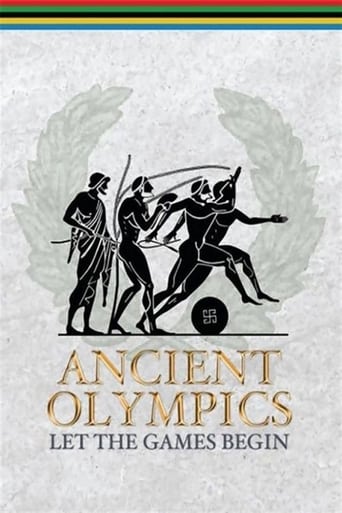
Come back with us to Ancient Greece, 2,500 Years ago to the original Olympic Games. The ancient Games, like our modern Olympics, included champions and cheaters, glory and scandals, bitter rivalries and contests of strength, speed and savage combat. Set in 448 BC when the pounding of horse's hooves and the brutal hand-to-hand combat could be heard and seen by the crowds that filled the Olympic stadium. This one-hour special event follows the glory and corruption of the arc of a single, five-day Olympiad. The competitions include chariot racing, running, jumping, discus, javelin and two man-to-man combat finals-boxing and pankration, a form of extreme fighting in which death was not uncommon. With the help of sports historians and great athletes such as George Chuvalo and Olympic medallists Donovan Bailey and Angela Schneider, viewers travel back to a very different life-in a very different world.
More info →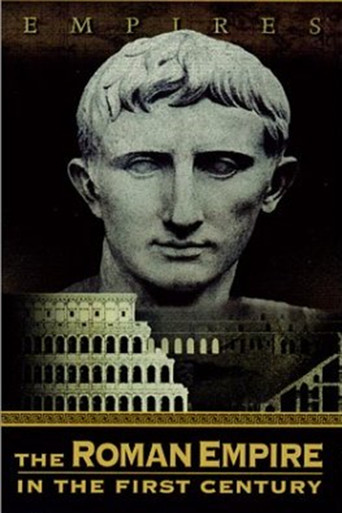
The Roman Empire in the First Century
2001 · ★ 6.3
Two thousand years ago, at the dawn of the first century, the ancient world was ruled by Rome. Through the experiences, memories and writings of the people who lived it, this series tells the story of that time - the emperors and slaves, poets and plebeians, who wrested order from chaos, built the most cosmopolitan society the world had ever seen and shaped the Roman empire in the first century A.D.
More info →
Brûlez Rome !
2005
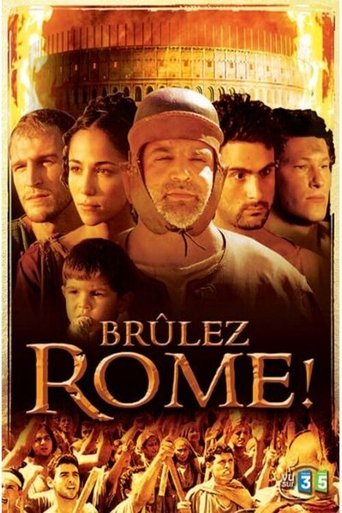
At the time of Nero, the Empire is at the height of its power, but Rome, where a million inhabitants live, is afraid of its enemies, of foreigners, of barbarians. Rome is afraid of the Tyrant and of its own power. And all these fears seem to crystallize in that of fire, more than anything else feared in this megalopolis that so often catches fire. In 64 A.D. the most terrible fire that the city has ever known broke out. It is said that it was set on the orders of Nero, in order to overwhelm the Christians who were accused of it. The watchmen, Celer and Theseus, intervene at the risk of their lives. This fictional documentary tells the story of the adventures of these two "firemen" in Rome during the Empire. An astonishing journey through time, the story of the life of men: customs, family, lifestyle, politics, education, leisure.
More info →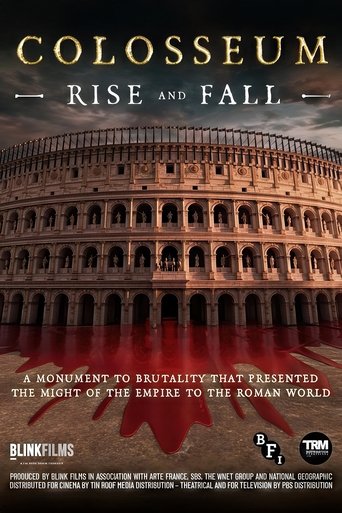
Colosseum: Rise and Fall
2025 · ★ 7
The greatest amphitheatre ever built by the Romans and a monument to blood and brutality. But what were the origins of the Colosseum and the gruesome spectacles performed within? With unique access to new archaeology, Colosseum: Rise and Fall explores the true purpose of the Colosseum and the network of amphitheatres spread throughout the Roman Empire. Visiting sites across Europe and north Africa, exploring finds that reveal both the scope of the games and the secrets of the gladiators, Colosseum: Rise and Fall charts the expansion of Rome and the ultimate decline of one of history’s most barbaric empires, through the most iconic of Roman landmarks, the Colosseum.
More info →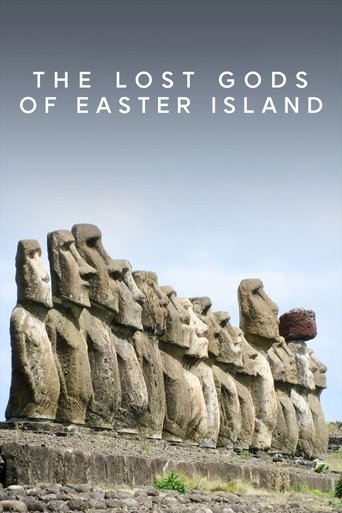
The Lost Gods of Easter Island
2000 · ★ 6.5
A simple, carved figure bought at an auction in New York leads David Attenborough on a global journey from Russia to Australia, from England back to the Pacific. On the way he delves into a history of the stunning stones on Easter Island.
More info →
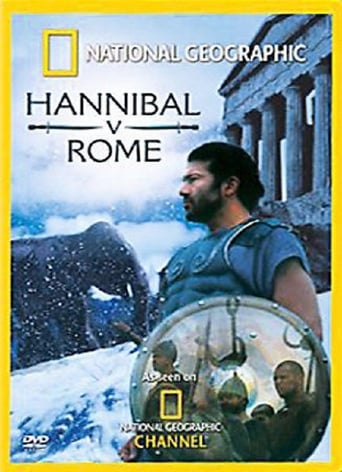
Hannibal v Rome
2005 · ★ 7.2
A documentary about Hannibal Barca - the general and ruler of New Carthage, who crossed the Alps in the fight with Rome. It covers the period from before the Punic Wars to the defeat of Carthage.
More info →
The Colosseum: A Jewel in Rome's Crown
2021 · ★ 10
With more than seven million visitors a year, its massive structure and awesome architecture testify to the genius of ancient Roman building techniques, earning it a place not only among UNESCO's World Heritage sites but as one of the new seven wonders of the world. The Roman Colosseum is an emblem of the power of a bygone empire.
More info →
Discovery Atlantis
1996 · ★ 8
The film presents compelling evidence that Altlantis wasn't so far away after all, but what it omits is just as compelling. Although Plato’s account of Atlantian masonry, consisting of red, white and black stones, was a visually perfect match for the modern walls of the Minoan excavation site favored by the film, and his account of a sea made impassable by small islands of mud could, in fact, be a description of the rafts of pumice left by the catastrophic eruption of an ancient volcano there, little mention is made of Plato's specific account of where Atlantis was or the common root that links Atlantis to the Atlantic ocean. Also omitted is Plato's chronology placing the sinking of Atlantis in the same time frame as the end of the last ice age which caused the inundation of huge expanses of once fertile lands. Is "Atlantis: The Evidence" a thinly disguised example of Eurocentrism in the media? Watch Discovery: Atlantis for a more comprehensive view on an age-old debate.
More info →