Icons - Oľga Ondreičková
2019 · 27m · Documentary
Oľga Ondreičková is one of the exceptional figures of the first generation of Slovak architects. Her work is characterized by pragmatism, simplicity, and monumentality. Her husband is architect Pavel Ondreička, with whom she collaborated on several projects, as well as on the design of furniture, interiors, and artistic decorations. At the height of her career, Oľga Ondreičková led her own project team, which was rare for a woman at that time.
More Like This
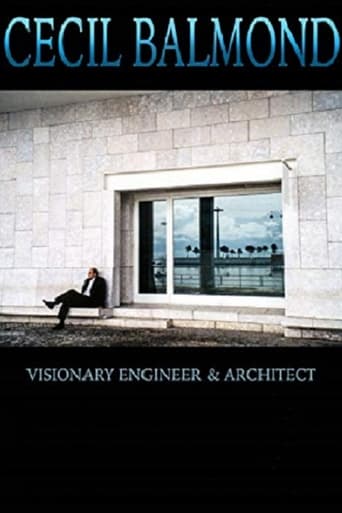
Cecil Balmond: Visionary Engineer and Architect
2009
"Cecil Balmond: Visionary Engineer and Architect" is a compelling documentation of a unique thinker and practitioner at the height of his architectural career. Through his conversation with architecture theorist and critic, Sanford Kwinter, Balmond reveals his vision and talent while the two tour his retrospective exhibition at the Graham Foundation in Chicago. Since the early 1980s Balmond has collaborated with many of today's important contemporary architects such as Toyo Ito, Rem Koolhaas and Daniel Libeskind. With his astounding aesthetic algorithms, Balmond has introduced innovative structural concepts that have resulted in some of the most challenging buildings in the canon of contemporary architecture.
More info →
When the Water Stops Flowing
2026
Jonathan Stavleu explores, in a stream-of-consciousness video essay, the relationship people have with water and what happens when access to it is taken away. For this work, he examines anecdotal histories he has heard from Estonians, as well as stories from his own family history in the Netherlands, weaving them together into a journal-like narrative.
More info →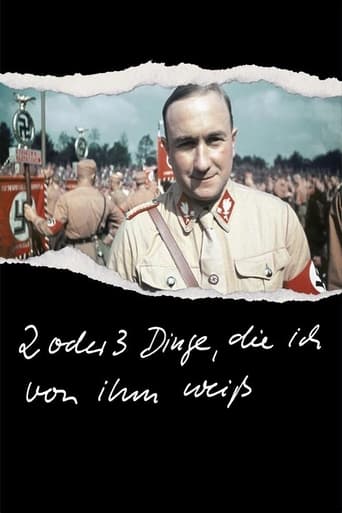
2 or 3 Things I Know About Him
2005 · ★ 6.6
What would your family reminiscences about dad sound like if he had been an early supporter of Hitler’s, a leader of the notorious SA and the Third Reich’s minister in charge of Slovakia, including its Final Solution? Executed as a war criminal in 1947, Hanns Ludin left behind a grieving widow and six young children, the youngest of whom became a filmmaker. It's a fascinating, maddening, sometimes even humorous look at what the director calls "a typical German story." (Film Forum)
More info →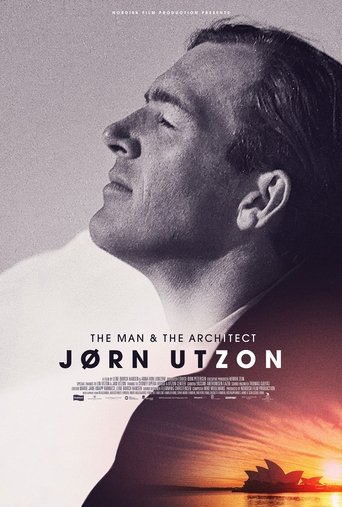
Jørn Utzon: The Man & the Architect
2018
The documentary tells the story of Sydney Opera House architect Jørn Utzon's unique gift, brought to the world with the unending support of Lis, the love of his life. His story is told by the people who were closest to him: his children, close colleagues and friends, who share their open, honest anecdotes, and experiences of him as an architect and a man. The film is a portrait of a devoted humanitarian and a sensitive and loving soul.
More info →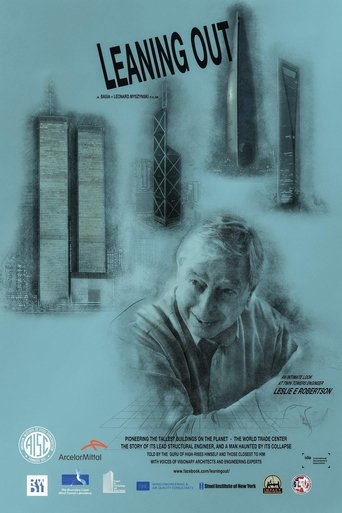
Leaning Out - An Intimate Look at Twin Towers Engineer Leslie E Robertson
2018
A man with a perspective like no other on the planet. The leading structural engineer of the World Trade Center oversees its construction, haunted by its fall ever since. A guru in high-rise design. Driven by his values as a pacifist and activist and the woman engineer who emboldened, expanded and ultimately saved the man she loved. About fulfillment, fragility, and a fighting spirit.
More info →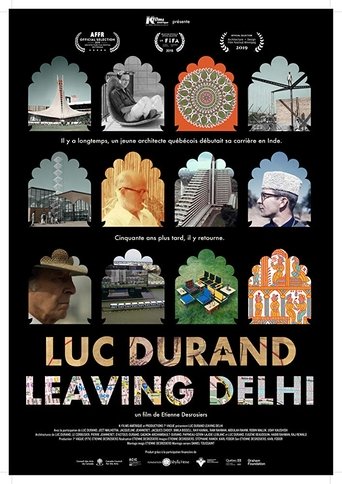
Luc Durand Leaving Delhi
2019
A portrait of the Canadian architect Luc Durand (1929 – 2018), who, after studying with Eugène Beaudoin in Switzerland, began his career in India. This period would be decisive for his career and would influence many of the projects he designed in Quebec, including the Quebec Pavilion at Expo 67, Place Dupuis, and the Olympic Village for the 1976 Olympic Games. Durand then decided to return to his roots in 2012, traveling from Montreal to Geneva, from New Delhi to Chandigarh. A portrait of an eminent figure in Quebec architecture.
More info →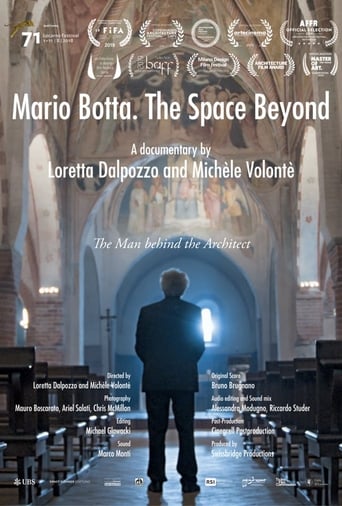
Mario Botta. The Space Beyond
2018
A rare, in-depth artistic journey into the work of internationally acclaimed Swiss architect Mario Botta. The film explores Botta's ever growing curiosity and reflections on the contractions of society through his sacred spaces, a subject very dear to him. Why does globalized society feel the urge to build such spaces? The directors traveled to China, South Korea, Israel, Italy, and Switzerland to discover a passionate and tireless artist, his buildings, and part of his creative process. Botta is one of the few architects who has built places of prayer for three main monotheistic religions. After building many churches, chapels, and synagogue, he is now working on a mosque in China. Through his thoughts and his interaction with artists, colleagues, clients, and family members, the viewers have a glimpse of the man behind the Architect.
More info →Pedregulho
Documentary about a utopian housing project in Rio de Janeiro by architect Affonso Eduardo Reidy.
More info →Villaggio Eni
Documentary two men united in creating a social and architectural experiment unique in its kind.
More info →
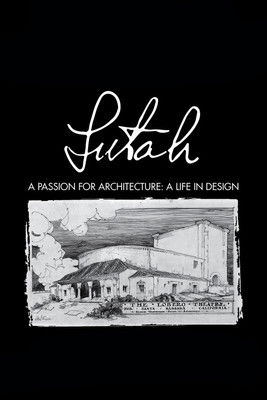
Lutah - A Passion for Architecture: A Life in Design
2014
Lutah explores the life of Lutah Maria Riggs, an forgotten architect who had a major impact on the development of Southern California.
More info →