NBC White Paper: Angola – Journey to a War
1961 · 60m · Documentary
An investigative documentary on the Angolan conflict, filmed on location in Portuguese-controlled Africa by Robert M. Young and first broadcast in 1961. (Note: Originally broadcast as an episode of NBC’s White Paper series (1961), but listed separately due to its independent documentary production, hazardous field filming, major journalistic impact, and sustained scholarly treatment as a standalone documentary work.)
More Like This
Angola: Saudades from the One Who Loves You
2005
The film sheds light on a country in which, after twenty-seven years of war and three years of official peace, there is an overwhelming discrepancy between poor and rich. A sensitive and respectful approach towards a traumatised society.
More info →
Afripedia - Angola
2017
While the center of Angola's capital Luanda is now ranked as one of the most expensive places in the world, the majority of the city's population lives in abject poverty. But young people are rebelling and creating their own counterculture with their own music styles and acrobatic dances, using the "ghetto" as a trademark to define their style.
More info →
Blood Diamonds
2006 · ★ 6.8
Blood Diamonds is a made-for-TV documentary series, originally broadcast on the History Channel, that looks into the trade of diamonds which fund rebellions and wars in many African nations. The program focuses primarily on two nations: Sierra Leone and Angola. Diamonds which are traded for this purpose are known as blood diamonds.
More info →Rostov-Luanda
1998 · ★ 6.8
Sissako visits a war-torn Angola after thirty years of war in search of a friend and thereby through interviews reflects on the lost utopias of a generation of Africans who experienced the liberation struggles. His camera is witness to the dislocation and despair of those he encounters living in Angola, however he also discovers the resilient spirit of Africa and optimism for its future in unexpected ways.
More info →
Feast of the Sacred Ox
1979 · ★ 5
Scenes from the three last days of the festival in which the population of the old Kingdom of Jau participate yearly.
More info →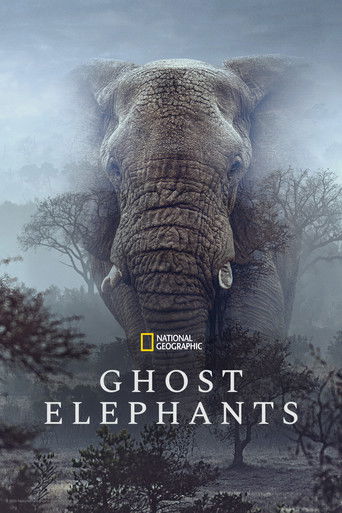
Ghost Elephants
2026 · ★ 7.6
In Angola's mist-shrouded highlands, three KhoiSan master trackers embark on a spiritual quest to rediscover the legendary "ghost elephants" of Lisima, creatures presumed lost but remembered in ancestral trance, ritual, and memory.
More info →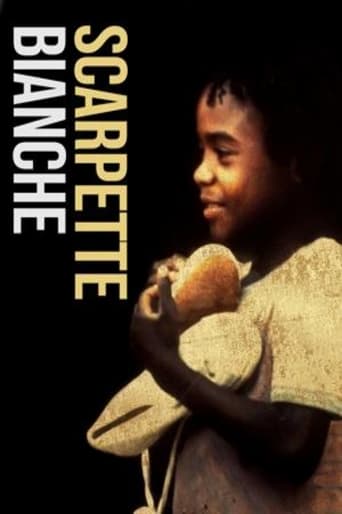
Scarpette bianche
1997 · ★ 10
RAI documentary filmed in 1996 about Angola, whose people, after more than ten years of anti-colonial struggle and twenty of civil war, still suffer due to the amount of active landmines scattered all over the country.
More info →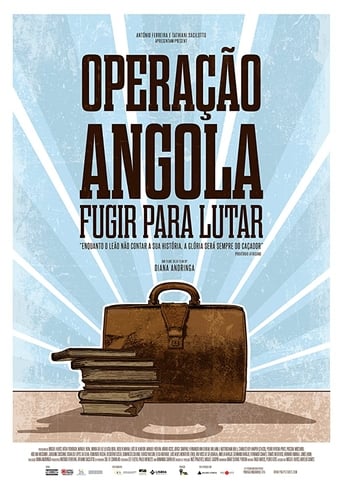
Codename: Angola
2015 · ★ 6
In 1961 the liberation struggles start in Angola against the portuguese colonial power. The African students in Portugal fear for their safety and plan to flee outside the country. With the help of Theology students, French and North-American pastors, the operation code name "Angola" fled over 100 african students abroad towards freedom, amongst them several future leaders of african countries.
More info →
Escape from Luanda
2007
In Luanda, one of the world's poorest and most dangerous places, three students from Angola's only music school work towards their end-of-year concert. The Music School is Angola's first and only school of its kind. It houses some 80 students, most of them desperately poor. Many face disapproval and outright rejection from their families who can't see a future in music. This film asks if, despite the ravages of 27 years of civil war, musical passion can overcome terrible hardships.
More info →