Solentiname
2020 · 13m · Documentary
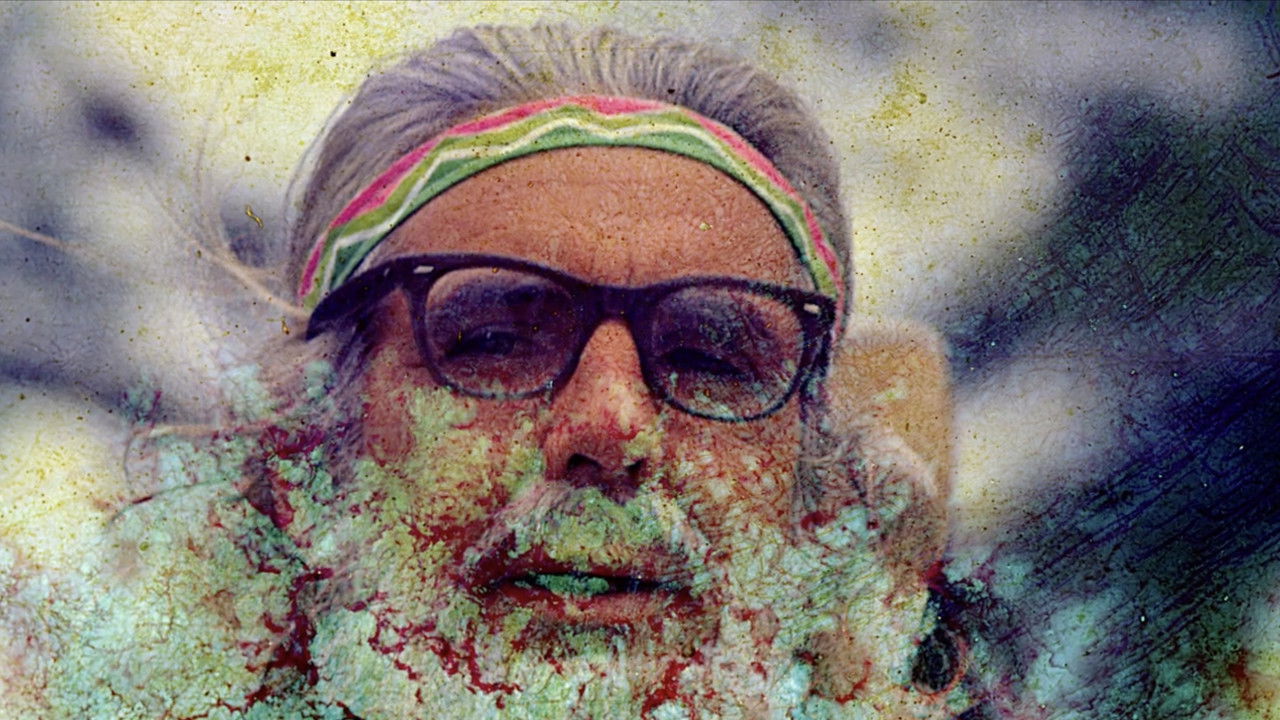
Solentime (2020), directed by Carlos Henríquez Consalvi and Camilo Henríquez, revisits the memory of poet-priest Ernesto Cardenal and the Christian community he founded in the Solentiname archipelago, where art, faith, and revolutionary consciousness converged. The film reconstructs a failed 1973 documentary project, when a young Consalvi traveled from Venezuela to film Cardenal with a 16mm Bolex, only to discover the footage was ruined. Nearly five decades later, during the COVID-19 lockdown and after Cardenal’s death, father and son assemble photographs, archival images, and sound to evoke that encounter and the fragile persistence of memory, turning loss, decay, and time into the material of the film itself.
More Like This
Primavera Lacrimógena
2019
A poetic short film showing a day in the 2019 protests in Santiago, Chile through documentary images.
More info →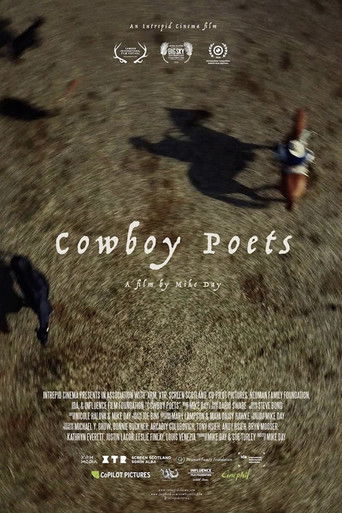
Cowboy Poets
2022 · ★ 7
Since 1985, poets, songwriters and musicians have gathered at the Cowboy Poetry Gathering in Nevada.
More info →
A Farra do Circo
2013 · ★ 9
This documentary highlights the evolution of Brazil's Circo Voador venue from homespun artists' performance space to national cultural institution.
More info →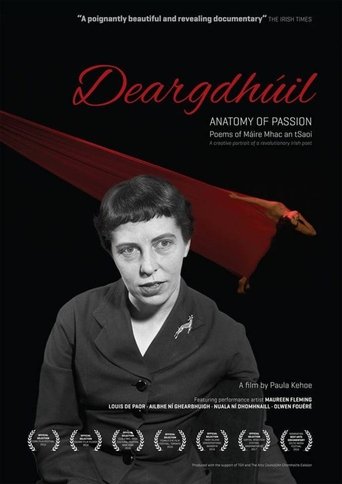
Deargdhúil: Anatomy of Passion
2015
This was a labour of love combining the work of some incredible artists to bring Máire Mhac an tSaoi’s poetry into the medium of film. Deargdhúil: Anatomy of Passion explores the life, work and sensual poetic imagination of the revolutionary Irish poet Máire Mhac an tSaoi. Born in 1922, her story is set against a backdrop of a tumultuous century in Irish history in which she and her family were centrally involved. At a time when women's voices were being silenced, the native tradition in the Irish language was her stage to explore the depths of female sexuality and experience without shame. Featuring the movement poetry of performance artist Maureen Fleming, interview by Louis de Paor, poetry voiced by Máire Mhac an tSaoi, Ailbhe Ní Ghearbhuigh and Nuala Ní Dhomhnaill, autobiography script voiced by Olwen Fouéré.
More info →Between Pudukkottai & Singapore
2017
This short documentary features poet N Rengarajan, a migrant worker from Pudukkottai, India who sustains a practice of poetry as a way of life while working in the construction sector in Singapore. The film, structured around three of his poems, seeks to visually mirror the rhythm and tone of his writing. Together, verse and visuals strive to draw attention to the poet's acute illuminations of the realities of migrant life.
More info →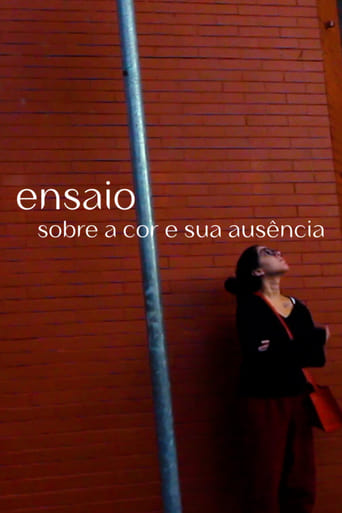
Essay on color and its absence
2022
An experiment and a dialogue about recording, the act of filming and the colors available to whoever points the camera somewhere.
More info →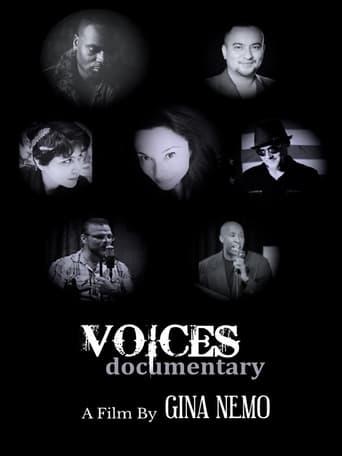
Voices
★ 10
Poets from all walks of life speak their truth through their poetry. A film about poetry by award-winning Gina Nemo, Poet, Writer, Filmmaker, Award-Winning Singer & Actress.
More info →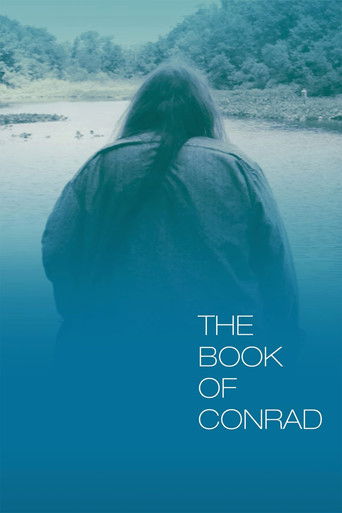
The Book of Conrad
2016
About the poet C.A.Conrad, an eccentric Elvis worshiping poet and tarot card reader, who confronts his violent past and the suspicious death of his boyfriend, Earth. The film attempts to unravel the mystery of Earth's death, while Conrad wrestles with his inner demons through a series of unconventional rituals and a tour of the deep South.
More info →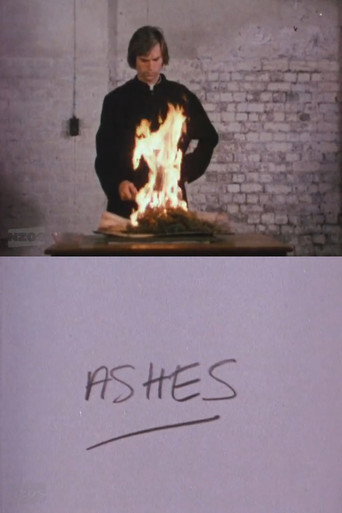
Ashes
1975 · ★ 8
Conversations with four people — an artist, a woman struggling with her identity as a high achiever, an actor, and a priest — exploring their inner worlds, their self-image and how they feel they fit into society. Are all of them acting, or only Sam Neill? The film features readings from Ash Wednesday, the poem written by TS Eliot after converting to anglicanism.
More info →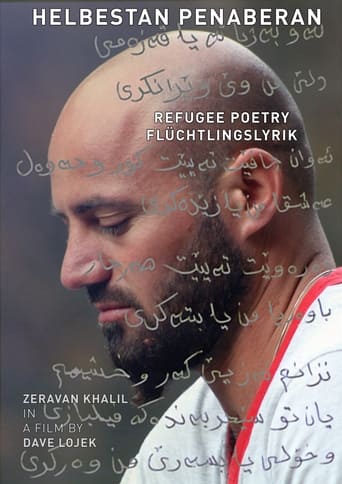
Refugee Poetry
2016 · ★ 10
The Kurdish Iraqi poet and actor Zeravan Khalil travels with his dog through an Alpine gorge after fleeing from IS war and genocide. As he remembers the abomination, he writes a poem with the title “You drive me mad” in Kurmanji Kurdish. In his home country, Yazidic Kurds are forbidden to work in his profession. Then he eats his apple and wanders through Europe’s middle with more hope.
More info →