Sidosa
★ 5 · 2026 · 94m · Documentary
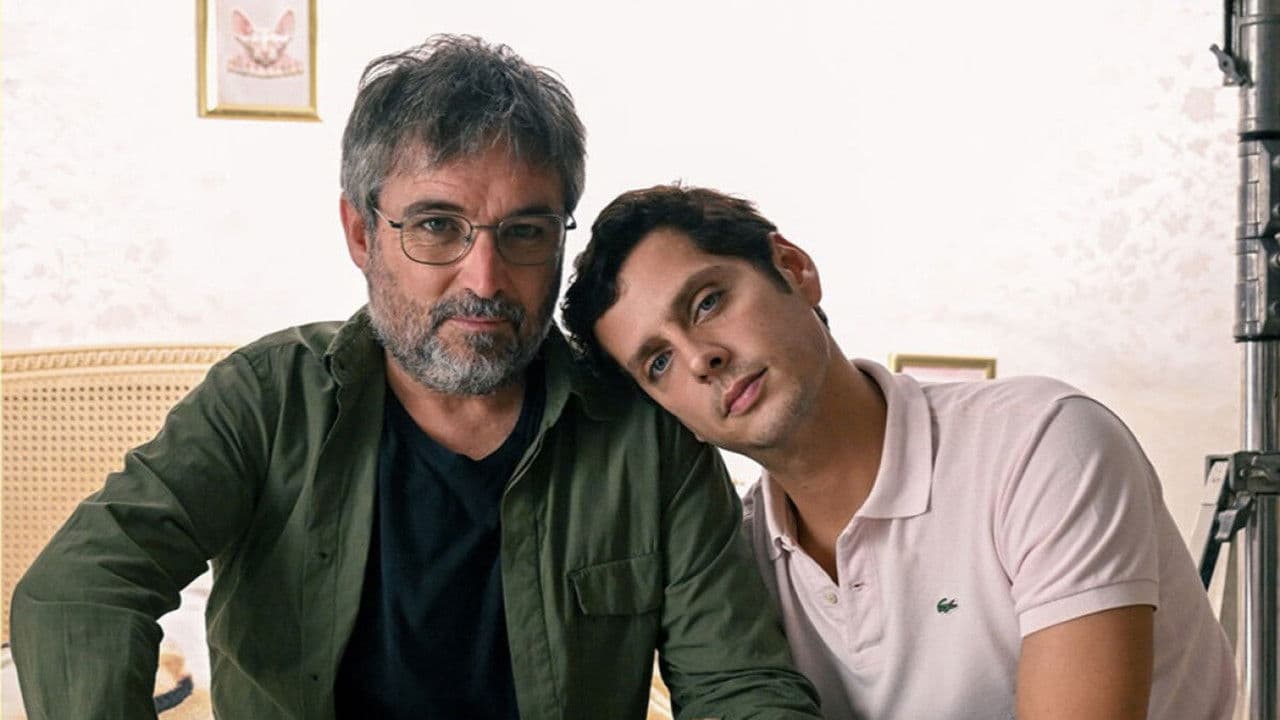
In 'Sidosa', the director and actor Eduardo Casanova makes the most intimate and significant revelation of his life: he has HIV. There is no precedent in Spain for a public figure to disclose that he is living with HIV — a step that organizations and activists have been calling for for years to help end the social stigma still associated with the virus.
More Like This
Cyril Collard : À la vie, à l'amour
2023 · ★ 7.3
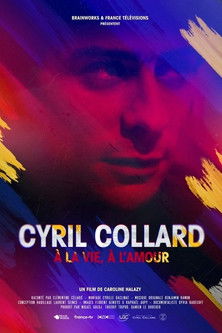
It's a tale of two shocks. 1992, Les Nuits fauves hits theaters. 1993, Cyril Collard dies of AIDS. The artist and his film caused a scandal in 90s France, which suddenly realized the violence of the epidemic and the upheaval it would bring for its children... Collard's work still resonates today, through its depiction of the rage of life and sexual freedom, and the courage it takes to face up to the inevitability of the virus. This documentary is supported by powerful archive footage, allowing us to rediscover the destiny of a striking artist. It is also based on the testimonies of those who knew him and agreed to talk about who he was, the driving forces behind his rebellion and his way of creating. The film is also punctuated by readings from some of the thousands of letters sent to Cyril Collard, revealing what it was about his work that struck a chord with viewers, especially younger ones.
More info →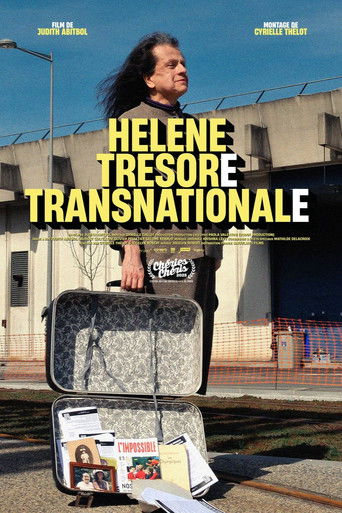
Hélène Trésore Transnationale
2026 · ★ 6.3
In this intimate portrait addressed directly to Hélène Hazera, filmmaker Judith Abitbol revisits a key figure of France’s countercultures from the late 1960s to the 1990s. A member of the Gazolines and the FHAR (Homosexual Front for Revolutionary Action), Hazera was a tireless LGBTQ activist who founded Act Up’s Trans and AIDS commissions—one of her proudest achievements. Her true victory, however, was becoming the first transgender journalist at a major national newspaper (Libération), and later a producer at Radio France and France TV. Through her story, Abitbol reconnects with the insurrectionary spirit and creative chaos of those decades—an era when French culture was shaken by radical imagination, humor, and defiance. The film celebrates these modern Antigones who dared to live their desires beyond the reach of any law.
More info →Pfui, Rosa!
2002 · ★ 8.5
German iconoclast filmmaker and gay-rights activist Rosa vonPraunheim examines his own life and career in the documentary Phooey Rosa! With a quickly paced editing style, the film is a mix of personal banter, candid interviews, and clips from his filmography. It also includes footage from his early film Bed Sausage to his later work Neurosia. At the age of 60, vonPraunheim reveals intimate details about his past relationships and his childhood growing up after WWII. He also implicates some of his friends and inspirations, including Luzi Kryn and Rainer Kranach.
More info →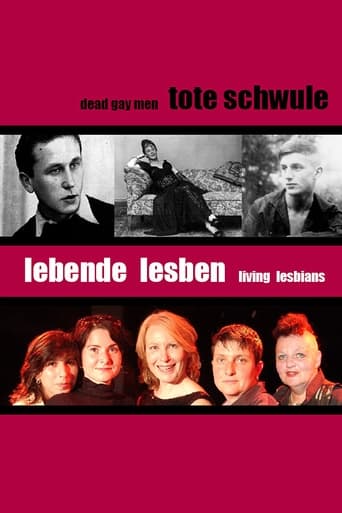
Dead Gay Men and Living Lesbians
2008 · ★ 4.4
As a result of the Holocaust and later, AIDS, the male homosexual community has sustained bitter losses and, according to Praunheim, lesbian women have now placed themselves at the head of the so-called queer movement. The female protagonists in the film represent two different generations; they also incorporate the past and present status of homosexuals in society.
More info →
Memory Books
2008
In Uganda, AIDS-infected mothers have begun writing what they call Memory Books for their children. Aware of the illness, it is a way for the family to come to terms with the inevitable death that it faces. Hopelessness and desperation are confronted through the collaborative effort of remembering and recording, a process that inspires unexpected strength and even solace in the face of death.
More info →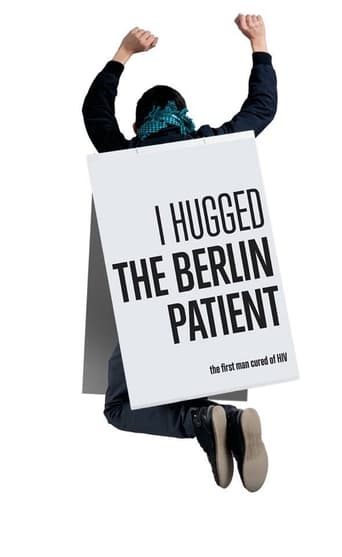
I Hugged the Berlin Patient
2013 · ★ 7
A spirited cancer survivor goes on a spontaneous search for 'The Berlin Patient' - the first man in the world actually cured of HIV.
More info →
Woodstock
1970 · ★ 7.6
An intimate look at the Woodstock Music & Art Festival held in Bethel, NY in 1969, from preparation through cleanup, with historic access to insiders, blistering concert footage, and portraits of the concertgoers; negative and positive aspects are shown, from drug use by performers to naked fans sliding in the mud, from the collapse of the fences by the unexpected hordes to the surreal arrival of National Guard helicopters with food and medical assistance for the impromptu city of 500,000.
More info →
È pericoloso esporsi
2024
During the women's demonstration on March 8, 1972, Mariasilvia SPOLATO was there with a placard: Liberazione omosessuale. A month later, Simone de Beauvoir came to Rome to give an interview, and this placard illustrated her article. Mariasilvia could no longer teach, ended up homeless and spent her life on the trains.
More info →
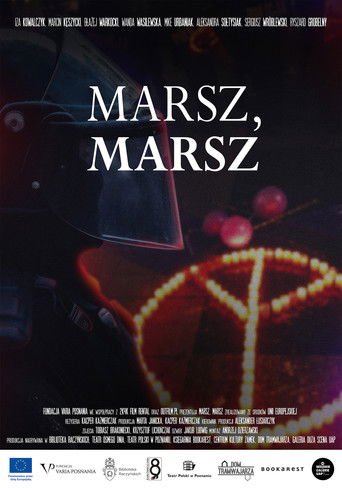
Marsz, marsz
2025
A Polish documentary that explores the early history of Pride marches in Poznań and the struggle for LGBTQ+ equality in Poland. It focuses on the contrast between the city’s 2020s identity as a so-called “Rainbow Capital of Poland” and its much harsher past when marches were rare and fraught with conflict. The film reflects on a first Pride march marked by a small group of around 200 people attempting to advance under heavy police presence, unable to walk more than 100 meters and facing aggressive suppression.
More info →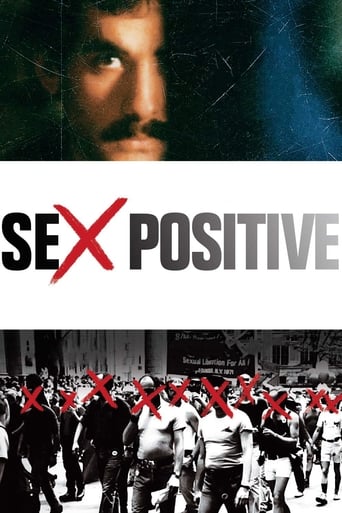
Sex Positive
2009 · ★ 4.9
Sex Positive explores the life of Richard Berkowitz, a revolutionary gay S&M hustler turned AIDS activist in the 1980s, whose incomparable contribution to the invention of safe sex has never been aptly credited. Mr. Berkowitz emerged from the epicenter of the epidemic demanding a solution to the problem before the outside world would take heed. Now destitute and alone, Mr. Berkowitz tells his story to a world who never wanted to listen.
More info →