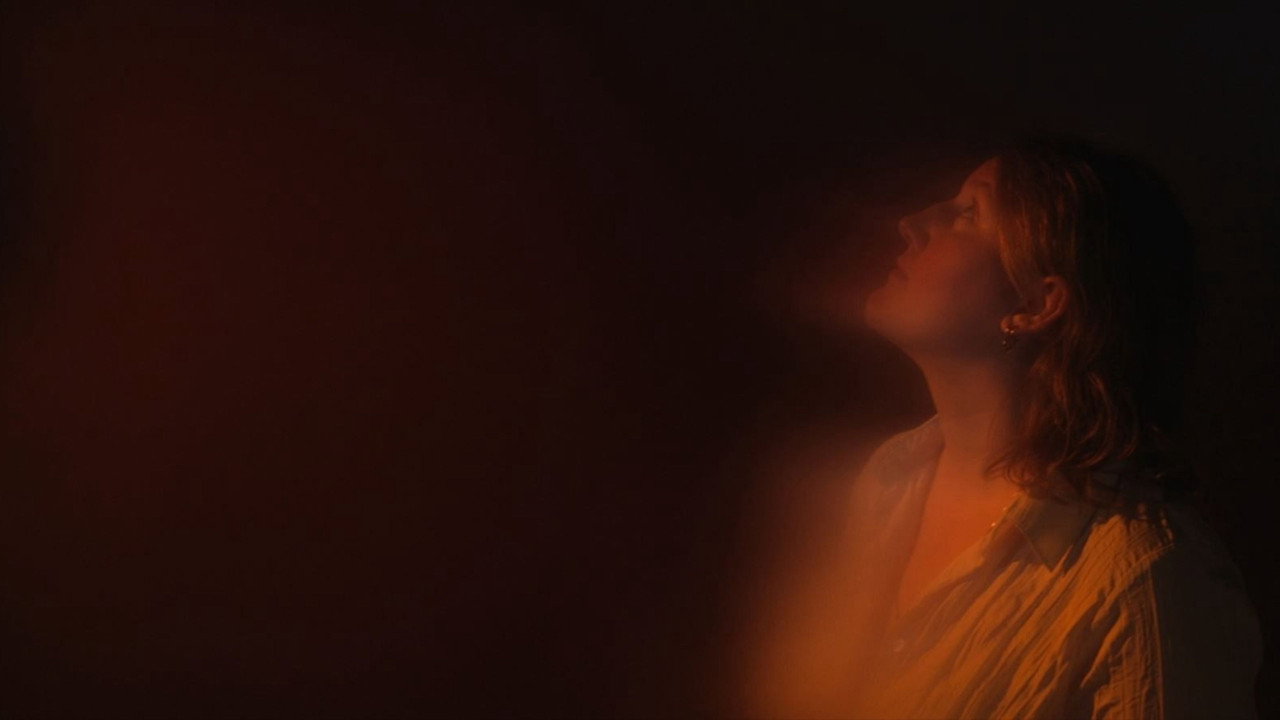
Diagnosed: Overdramatic
2025 · 15m · Documentary
What causes women all over the world to be told that they are hysteric or overreacting when seeking for medical help? Why are so many women diagnosed: Overdramatic? The female body has only recently started to be researched, which lead to a big lack of information on women's physical and mental health. This documentary relies on the knowledge of Dorte Rytter (researcher) and Stine Sophie (medicine student) to tell us how this issue affects women everyday and in what ways.
More Like This
Rx: The Quiet Revolution
2015
How a patient-centered philosophy can improve outcomes and enrich the lives of patients.
More info →
Sick Girls
2023
In recent years, the number of diagnoses of attention-deficit hyperactivity disorder has skyrocketed. What are the reasons? Does a society geared towards efficiency use the label ADHS to weed out anyone who does not fit its frames? What are the consequences of the fact that medication treatment has become almost ubiquitous? Could Ritalin and the like have become the doping of the performance society?
More info →
A Quiet Inquisition
2014 · ★ 8
At a public hospital in Nicaragua, Ob/Gyn Dr. Carla Cerrato must choose between following a law that bans all abortions and endangers her patients or taking a risk and providing the care that she knows can save a woman's life. In 2007, Dr. Cerrato’s daily routine took a detour. The newly elected government of Daniel Ortega, a former Marxist revolutionary who converted to Catholicism to win votes, overturned a 130-year-old law protecting therapeutic abortion. The new law entirely prohibits abortion, even in cases of rape, incest, or when a woman’s life is at stake. As Carla and her colleagues navigate this dangerous dilemma, the impact of this law emerges—illuminating the tangible reality of prohibition against the backdrop of a political, religious, and historically complex national identity. The emotional core of the story—the experiences and situations of the young women and girls who are seeking care—illustrate the ethical implications of one doctor's response.
More info →
A Film for Discussion
1973
A docu-drama shot in 1970, but not completed until 1973, the film sought to encapsulate in an experimental form issues that were under discussion within the Women’s Liberation Movement at this time and to thus contribute to action for change. In its numerous community screenings, active debate was encouraged as part of the viewing experience.
More info →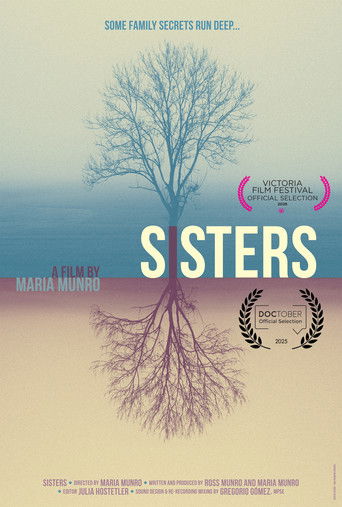
Sisters
2026
“Sisters” is a deeply personal story about my journey back to my home country of Venezuela to investigate the possibility of a long lost sister.
More info →
Sex, Drugs & Bicycles
2020 · ★ 7
The documentary that answers the question: is having month-long double paid vacations, no fear of homelessness, and universal health care the nightmare we've been warned about? The answer may surprise you.
More info →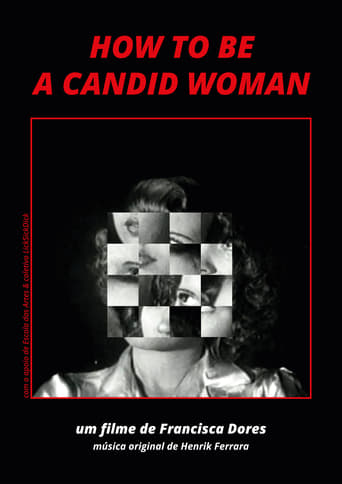
How to Be a Candid Woman
2022
To produce speech, a set of mechanisms must be brought together. What is the normal articulation for speech? How to produce the sounds that make it up in the correct way? A physiological analysis of the aspects of speech shows us how: the jaw must move in a certain way; the air must be expelled from the lungs in another. Based on the concepts stated in the film "Normal Speech Articulation" (1965), produced by the University of Iowa (USA), we intend to reflect on the way women have been represented, and consequently educated, over the years, both in film and in the media. Largely composed of archival footage, this film intends to make evident, through a montage inspired by Structuralist movements, the violence of this education.
More info →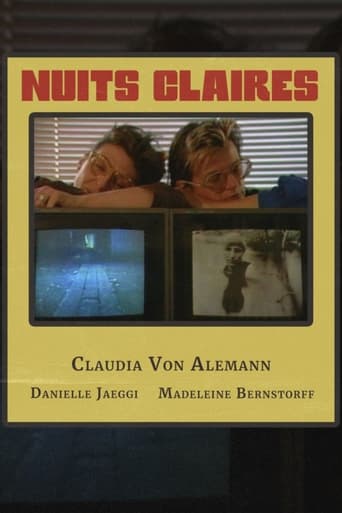
Bright Nights
1990 · ★ 7
In an experimentally compiled film review, Danielle Jaeggi, Paule Baillargeon and Claudia von Alemann reflect on their work as filmmakers and life as mothers. Just as the title is based on Michel Leiris' book of poems Bright Nights and Many a Dark Day, the film has its own poetry, which is also evident in shots of everyday activities, such as hands washing dishes. “Just the hair or the relationship of the hands to each other or gestures, and then words come in between and film clips that we talk about, and we were amazed to find that the women we portray in the films always have a lot of trouble with theirs Identity, their search for something, for lost people or lost things. “They are usually looking for something that has been lost, forgotten or gone,” said Claudia von Alemann in the 1992 interview conducted by Renate Fischetti, A Pioneer of Female Film Language. An essay about desire, doubt, contradictions. (fib)
More info →

Welcome to my Darkside: Women in Horror
2010
The horror film genre’s most iconic Scream Queens are featured in this documentary about women’s roles and triumphs, both on-camera and off.
More info →