View of Guanabara Bay
1898 · Documentary
On June 19, 1898, the Italian Alfonso Segreto, who worked with photography, when he was arriving in Brazil with the aim of selling equipment, Segreto was amazed by the view of Guanabara Bay, and so he took a Lumiére model camera and started filming the view. Even though it was never shown to the public, the day of its recording was marked as Brazilian Cinema Day.
More Like This

The Case of the Wrong Man
2017 · ★ 7
The documentary tells the story of Júlio César, a young Afro-Brazilian who was executed by the Police in the 1980s in Porto Alegre. The crime became notorious when the press published photos of Julius being put alive in the police car and arriving 37 minutes later shot and dead at the hospital.
More info →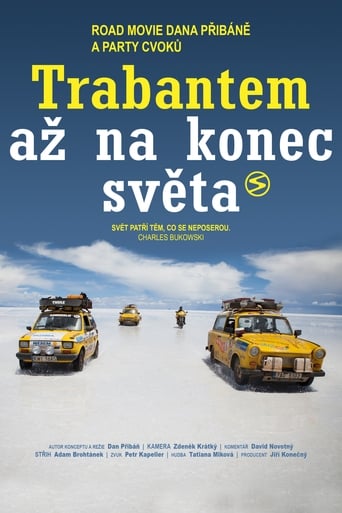
To the End of the World in a Trabant
2014 · ★ 6.3
The third installment in Dan Přibáň's series of travel documentaries describes the author's journey with his friends across South America in vehicles that are often notorious but cult in their own way. The charming dynamics of the group on screen are further enhanced by the high-quality craftsmanship.
More info →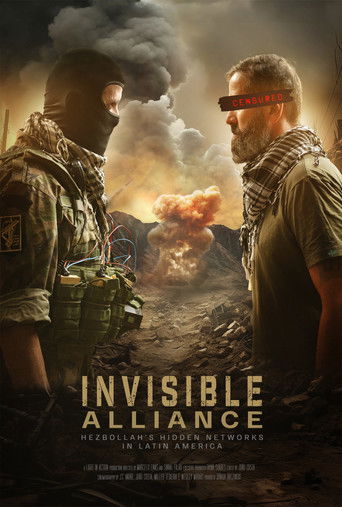
Invisible Alliance
A Hezbollah suicide bomber breaks silence to reveal the inner workings of the organization and his involvement in a narcotrafficking alliance with the FARC. Discover the hidden agendas between Iran, Latin American governments and organized crime.
More info →
Match 64: The Maracanã
2015 · ★ 3.5
A documentary following the day life of fans in Brazil on July 13, 2014: the day when Germany and Argentina met up in the finals of FIFA World Cup.
More info →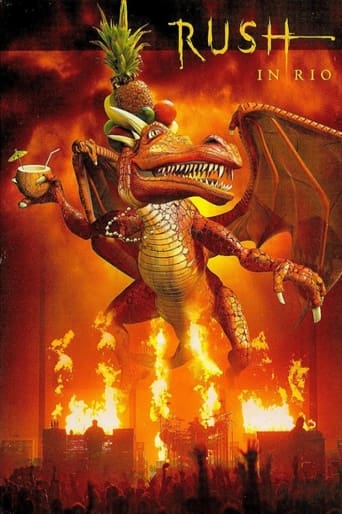
Rush in Rio
2003 · ★ 8.3
Legendary rock band Rush plays the Maracana Stadium in Rio de Janeiro, Brazil, on the final night of the band's 2002 Vapor Trails tour, in front of 40,000 fans.
More info →
Ableism in São Paulo
2024
Through intimate stories and day-to-day routines we get a naturalistic glimpse into the lives of individuals with disabilities in the bustling urban landscape of São Paulo. The film captures personal moments and how modern societies confront (or fail to confront) ableism and inclusion.
More info →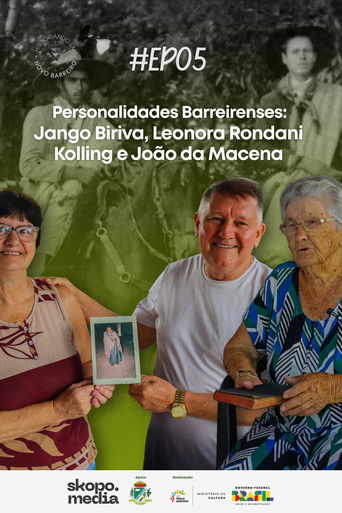
Personalidades Barreirenses: Jango Biriva, Leonora Kolling e João da Macena - Historiando em Novo Barreiro
2026
No synopsis available.
More info →
Carmencita
1894 · ★ 5.2
The first woman to appear in front of an Edison motion picture camera and possibly the first woman to appear in a motion picture within the United States. In the film, Carmencita is recorded going through a routine she had been performing at Koster & Bial's in New York since February 1890.
More info →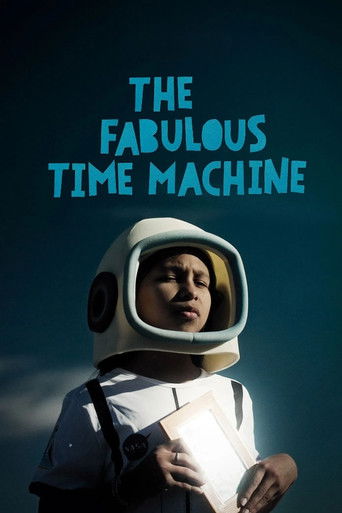
The Fabulous Time Machine
2026 · ★ 9
What if it were possible to travel back in time to dream of other futures? In the hinterlands of Brazil, young girls navigate the delicate transition from childhood to adolescence while grappling with social media, religion, their dreams, and the stories of the women who came before them. By inventing a time machine, they revisit the pasts of their mothers and grandmothers and imagine a future in which they can be free, fulfilled, and in control of their own choices.
More info →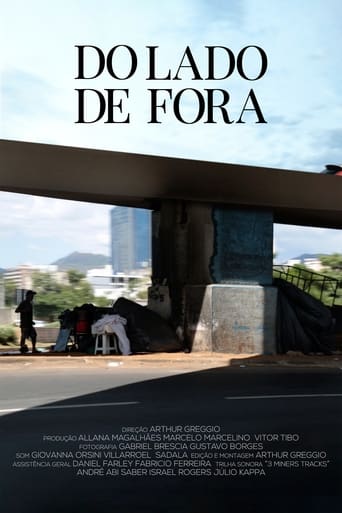

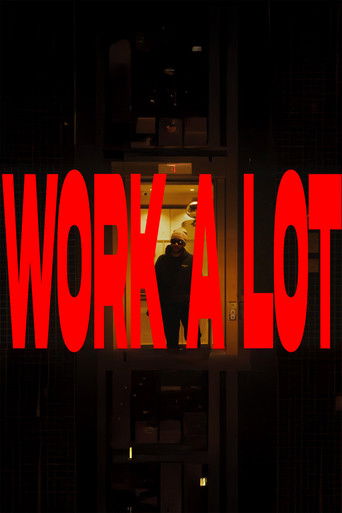
Work A Lot
2025
In Work A Lot, Memphis Depay steps off the pitch and into the daily lives of the people who keep São Paulo moving. The mini-documentary weaves interviews with Brazilian workers — from street vendors to truck drivers, from bakers to hairdressers — with behind-the-scenes moments of Depay’s own life in Brazil, spanning music, football, and visits to local communities. Stripped of glamour and filters, the film connects different realities through a shared truth: working hard isn’t a lifestyle choice, it’s survival. A raw, urban and honest portrait of daily struggle, belonging, and real life.
More info →