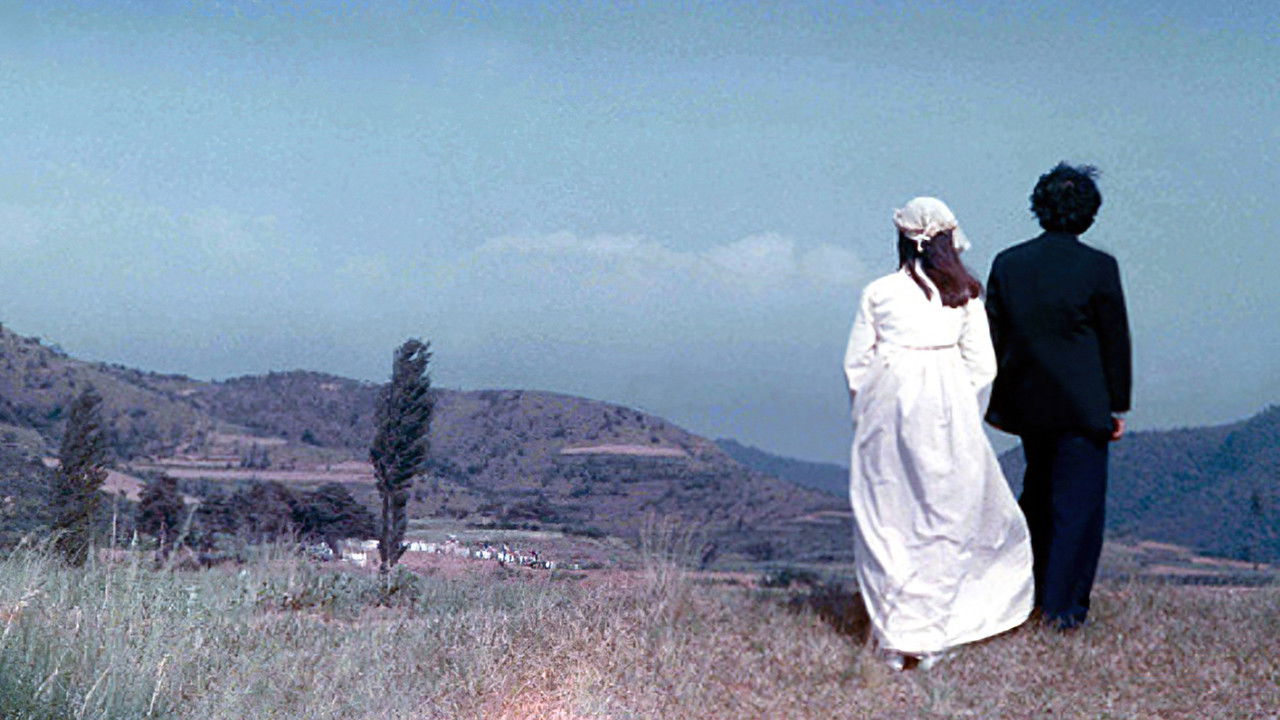
Genealogy
★ 6 · 1979 · 107m · Drama
During the Japanese occupation of South Korea, a Japanese bureaucrat is ordered to persuade an influential Korean patriarch into obeying the law of changing his Korean surname to a Japanese one.
More Like This
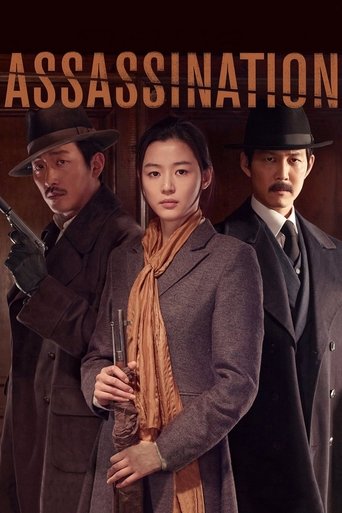
Assassination
2015 · ★ 7.3
In Japanese-occupied Korea, three freedom fighters are assigned a mission to assassinate a genocidal military leader and his top collaborator. But the plan goes completely awry amidst double-crossings, counter-assassinations, and a shocking revelation about one of the assassins' past.
More info →
Man of Will
2017 · ★ 7.3
Young Kim Chang-soo is placed behind bars, charged with murdering a Japanese person who took part in Empress Myeongseong's assassination. In prison, Kim Chang-soo sees how Koreans are persecuted and grows into a fighter for Korean independence.
More info →
The Handmaiden
2016 · ★ 8.2
1930s Korea, in the period of Japanese occupation, a new girl, Sook-hee, is hired as a handmaiden to a Japanese heiress, Hideko, who lives a secluded life on a large countryside estate with her domineering Uncle Kouzuki. But the maid has a secret. She is a pickpocket recruited by a swindler posing as a Japanese Count to help him seduce the Lady to steal her fortune.
More info →
Modern Boy
2008 · ★ 6.8
During the Japanese occupation, a Korean modern boy, who wants to fit in with the Japanese, falls in love with a Korean freedom fighter.
More info →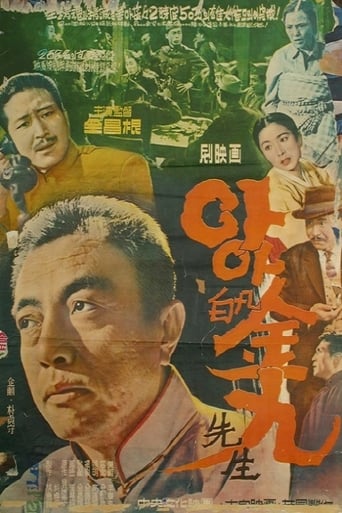
Ah! Baekbeom Kim Ku
1960 · ★ 4
Kim Chang-su, who participated in the Donghak Movement, escapes to Manchuria after being chased by the Japanese army, finally making his way home. Angered by the assassination of Empress Myeong-seong, he murders a Japanese lieutenant and is sent to jail. He escapes from prison turns his focus on the democratic movement by teaching civilians and organizing Sinminheo (a democratic organization), even changing his name to 'Kim Gu.' After he is imprisoned again, he gets out on parole and goes to China, where he participates in establishing a provisional government from which he can direct the anti-Japanese struggle. Kim Gu goes on to play a part in Yun Bong-gil's deeds in Shanghai, the events at Hongkou Park, the encounter with Jiang Jish, and the establishment of the Korean National Army, and leads the struggle for Korea's independence with warm fraternal love and clear national spirit. When Korea is liberated in August 15, 1945, he returns back to his native land.
More info →
Remember
2022 · ★ 7.5
Pil-ju, an Alzheimer's patient in his 80s, who lost all his family during the Japanese colonial era, and devotes his lifelong revenge before his memories disappear, and a young man in his 20s who helps him.
More info →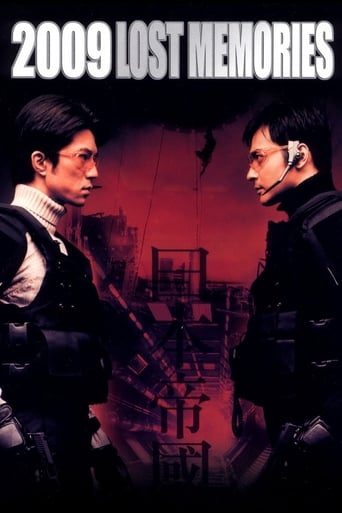
2009: Lost Memories
2002 · ★ 6.2
A failed assassination attempt in Harbin, China in 1909 changes the course of history. Now two JBI agents must find the connections between it and an ancient Korean artifact.
More info →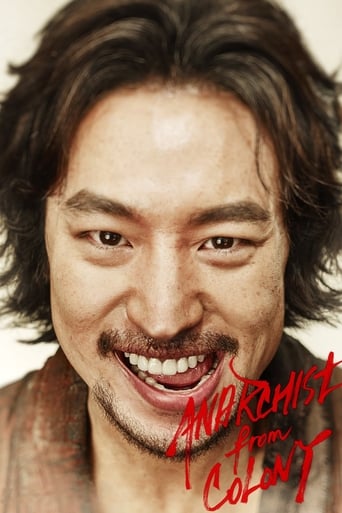
Anarchist from Colony
2017 · ★ 7.3
Based on the life of the Korean anarchist Park Yeol, the film shows his struggle to counter the massacre of Koreans by the government during the 1923 great Kanto earthquake, focusing on his activities as the leader of the anti-Japanese organization Bulryeongsa and his relationship with Japanese comrade Fumiko Kaneko.
More info →
The Bell Tower
1958 · ★ 6
An elderly bell maker reminisces about his life filled with tragedy.
More info →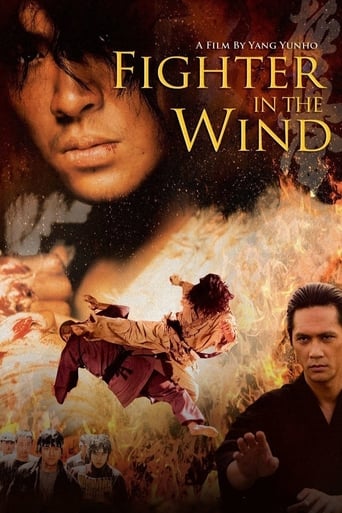
Fighter in the Wind
2004 · ★ 7.1
An account of karate competitor Choi Yeung-Eui who went to Japan after World War II to become a fighter pilot but found a very different path instead. He changed his name to Masutatsu Oyama and went across the country, defeating martial artists one after another. This film concentrates on the period when he is still young, and developing his famous karate style, Kyokushin.
More info →
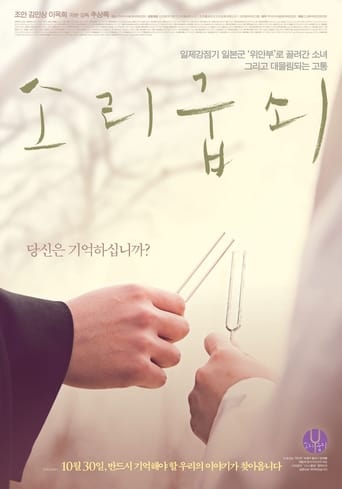
Tuning Fork
2014
From the Japanese Occupation a 'comfort woman' returns from China an old woman. At the end of the war she can't return home and spends the next 65 years living as an alien in a foreign country. Even to her own granddaughter she seems to be losing her mind. She only wants to go back to Korea.
More info →