Freeload
★ 7 · 2014 · 65m · Documentary
Just as the original hobos of the early 20th century were scorned the mainstream of society, so too are today's train riders. FREELOAD is a dive into a beggar's existence. It is a ride through America's backyard. It is a musical endeavor that feels like a drama. It is a sociological examination of the ignored.
More Like This
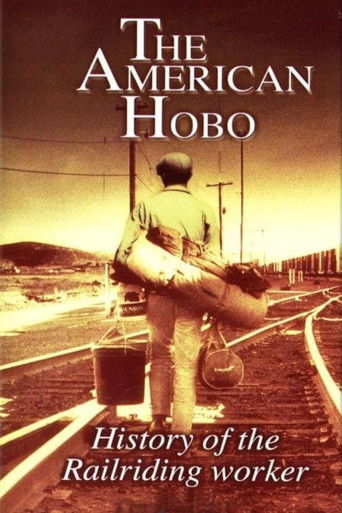
The American Hobo: History of the Railriding Worker
2003 · ★ 7
Ernest Borgnine, star of the classic train movie Emperor of the North, hosts and narrates this remarkable examination of the uniquely American Hobo.
More info →
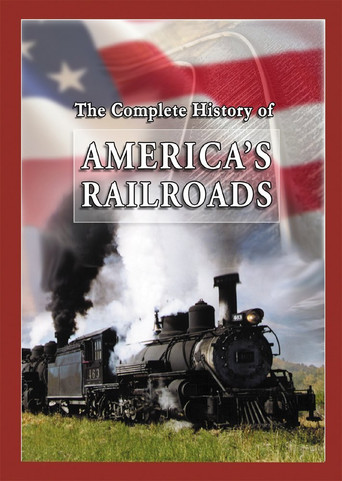
The Complete History of America's Railroads
2010
No matter what your age you'll love watching this impressive and comprehensive story of the development of railroading in America. Rail enthusiasts as well as history buffs, teachers and home schoolers, plus kids of all ages will appreciate this magnificent rail adventure covering live action historic operating railroads, rare photos of drawings and valuable memorabilia, and live action re-enactments. Featuring spectacular cinematography and an inspiring musical score, this Award-Winning four part DVD covers over one-hundred years of railroading evolution.
More info →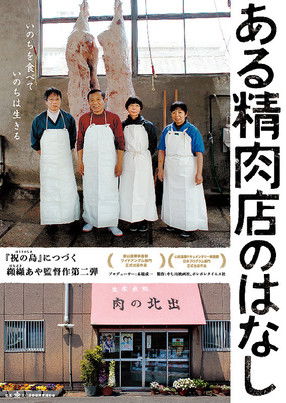
The Story of a Butcher Shop
2013 · ★ 5.2
The Kitades run a butcher shop in Kaizuka City outside Osaka, raising and slaughtering cattle to sell the meat in their store. The seventh generation of their family's business, they are descendants of the buraku people, a social minority held over from the caste system abolished in the 19th century that is still subject to discrimination. As the Kitades are forced to make the difficult decision to shut down their slaughterhouse, the question posed by the film is whether doing this will also result in the deconstruction of the prejudices imposed on them. Though primarily documenting the process of their work with meticulous detail, Aya Hanabusa also touches on the Kitades' participation in the buraku liberation movement. Hanabusa's heartfelt portrait expands from the story of an old-fashioned family business competing with corporate supermarkets, toward a subtle and sophisticated critique of social exclusion and the persistence of ancient prejudices.
More info →This Beggar's Description
2006
It's a sensitive, moving doc chronicling the life of Tétrault's brother Philip , a Montreal poet, musician and diagnosed paranoid schizophrenic. A promising athlete as a child, Philip began experiencing mood swings in his early 20s. His extended family, including his daughter, share their conflicted feelings love, guilt, shame, anger with the camera. They want to make sure he's safe, but how much can they take?
More info →
The Hotel of Waifs
2019 · ★ 7.5
Waifs, homeless, derelicts, almsmen, others, forgettens, outcasts, unwanteds. The Hotel of Waifs; a temporary resting place far from home, an amusement in a pale fun fair, an enthusiastic trip on roundabout ways of soul.
More info →J Is for Junkie
2011 · ★ 7
In the 1980s and 1990s, an epidemic of crack cocaine addiction ravaged African American communities across the United States. Crack is extremely addictive, a trap that can lead to homelessness and an early death. Black addicts in Atlanta, Georgia tell us about their addiction, their past, and their struggles with police.
More info →
Rolling the Freight
1947
Film on the movement of material from the Chicago and Northwestern System.
More info →
Wood Street
2026
Two unhoused men turned community leaders— John and LaMonté —organize their neighbors in the face of displacement, addiction, and a failing social system.
More info →
Spring Fever
2019 · ★ 5
A glimpse into a refreshingly different sex education class in the Netherlands.
More info →