The Night of Queen Isabeau
★ 8 · 1920 · 50m · History
The film depicts the marriage between the mad Charles VI of France and his wife Queen Isabeau.
More Like This
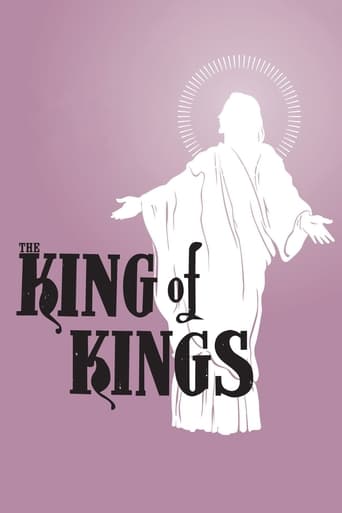
The King of Kings
1927 · ★ 6.4
The King of Kings is the Greatest Story Ever Told as only Cecil B. DeMille could tell it. In 1927, working with one of the biggest budgets in Hollywood history, DeMille spun the life and Passion of Christ into a silent-era blockbuster. Featuring text drawn directly from the Bible, a cast of thousands, and the great showman’s singular cinematic bag of tricks, The King of Kings is at once spectacular and deeply reverent—part Gospel, part Technicolor epic.
More info →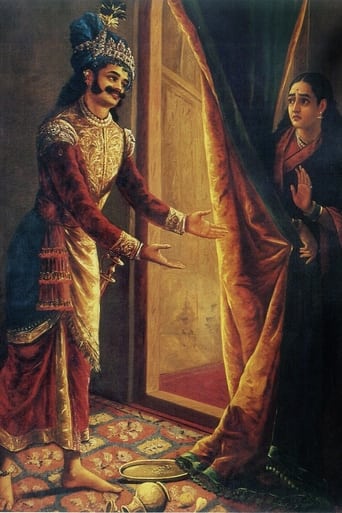
Keechaka Vadham
1917
This film is a story from the Mahabharatam where Draupadi, the wife of the Pandavas, resists the advances of Keechaka, a lustful general in the court of King Virata. The confrontation leads to Keechaka's death, highlighting Draupadi's resilience during the Pandavas' exile.
More info →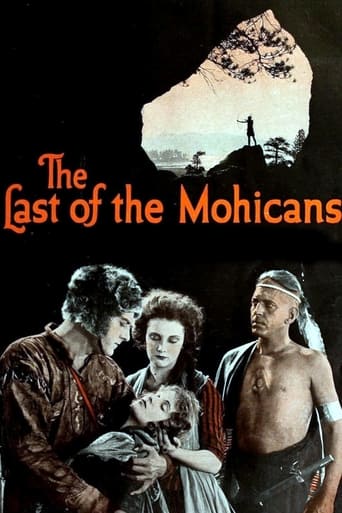
The Last of the Mohicans
1920 · ★ 6.3
As Alice and Cora Munro attempt to find their father, a British officer in the French and Indian War, they are set upon by French soldiers and their cohorts, Huron tribesmen led by the evil Magua. Fighting to rescue the women are Chingachgook and his son Uncas, the last of the Mohican tribe, and their white ally, the frontiersman Natty Bumppo, known as Hawkeye.
More info →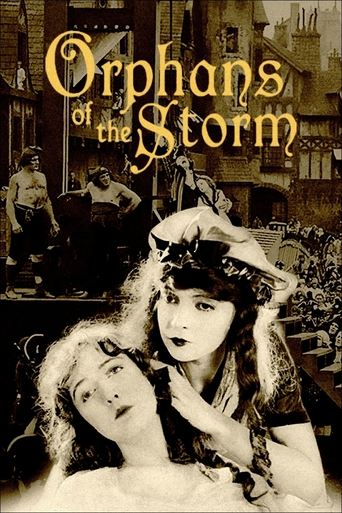
Orphans of the Storm
1921 · ★ 6.8
France, on the eve of the French Revolution. Henriette and Louise have been raised together as sisters. When the plague that takes their parents' lives causes Louise's blindness, they decide to travel to Paris in search of a cure, but they separate when a lustful aristocrat crosses their path.
More info →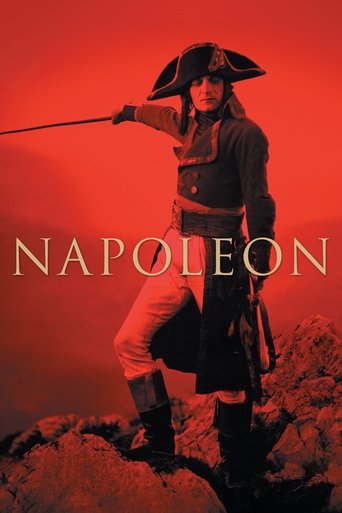
Napoleon
1927 · ★ 7.8
A biopic of Napoleon Bonaparte, tracing the Corsican's career from his schooldays (where a snowball fight is staged like a military campaign) to his flight from Corsica, through the French Revolution (where a real storm is intercut with a political storm) and the Terror, culminating in his triumphant invasion of Italy in 1797.
More info →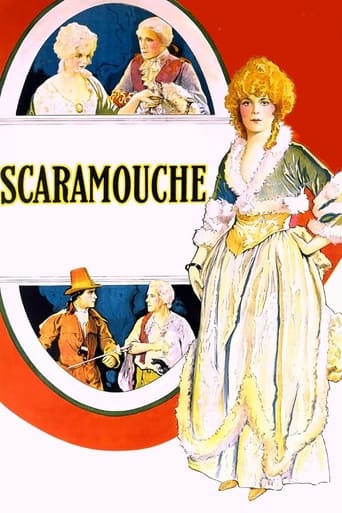
Scaramouche
1923 · ★ 7.2
A law student becomes an outlaw French revolutionary when he decides to avenge the unjust killing of his friend. To get close to the aristocrat who has killed his friend, the student adopts the identity of Scaramouche the clown.
More info →
Romola
1924 · ★ 6.7
In Renaissance Florence, a Florentine trader meets a shipwrecked stranger, who introduces himself as Tito Melema, a young Italianate-Greek scholar. Tito becomes acquainted with several other Florentines, including Nello the barber and a young girl named Tessa. He is also introduced to a blind scholar named Bardo de' Bardi, and his daughter Romola. As Tito becomes settled in Florence, assisting Bardo with classical studies, he falls in love with Romola.
More info →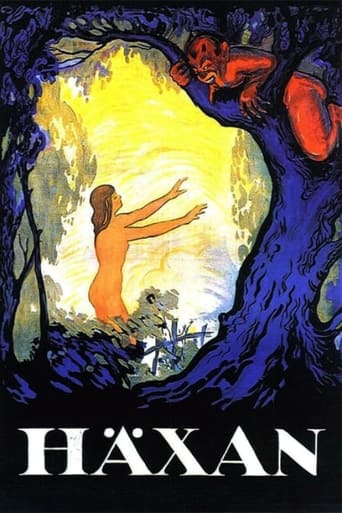
Häxan
1922 · ★ 7.6
Grave robbing, torture, possessed nuns, and a satanic Sabbath: Benjamin Christensen's legendary film uses a series of dramatic vignettes to explore the scientific hypothesis that the witches of the Middle Ages suffered the same hysteria as turn-of-the-century psychiatric patients. But the film itself is far from serious-- instead it's a witches' brew of the scary, gross, and darkly humorous.
More info →
El conde de Maravillas
1927 · ★ 5.5
The Count of Maravillas receives an unusual proposal from a masked woman: to kidnap the valido of King Carlos IV.
More info →
The Golden Wedding
1911 · ★ 6
A grandfather recalls how he and his wife met and fell in love during the Second Italian War of Independence.
More info →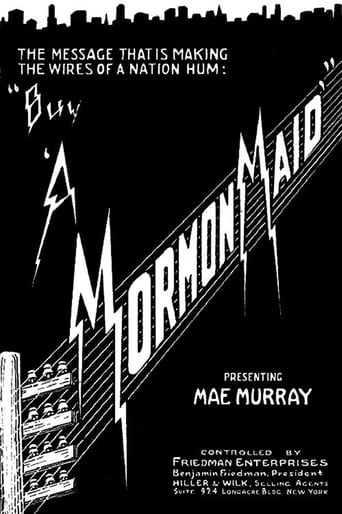
A Mormon Maid
1917 · ★ 5
This silent melodrama is set against the 1840s westward migration of the Mormons. Dora, a young woman, and her family are saved from an Indian attack by a Mormon community traveling to Utah. They join the wagon train. Dora is pursued by two men, one a recent convert, the other a scheming elder with a stable of wives. The Mormon elder wants her in his harem. When the mother kills herself from revulsion toward polygamy, the daughter must consider her own future and the man she loves. One of Mae Murray's few surviving films, this was intended by Robert Leonard to be a thoughtful drama about the goods and evils of Mormonism, but today it is generally considered pure anti-Mormon propaganda.
More info →