In den dierentuin van Antwerpen
★ 10 · 1910 · 9m · Documentary
The Antwerp Zoo covers a fair extent of ground, and was already in 1910 generally considered as an important one. A large number of views of birds and animals were taken and hand coloured. In those days, the monkey house was in for much attention. People found that the various comic incidents added a touch of whimsicality.
More Like This
Les héritiers
1955
Gilles Groulx's first film shot in 1955 with a camera borrowed from his brother and edited during his spare time when he worked as an editor at the Radio-Canada news service a few years before he joined the NFB. Silent film, presented as its author left it, where the soil and the dialectic of Groulx's work are already there: documentary realism, the social space to be explored, daily life, the relationship between individual and society, social disparities, the consumer society, seduction and happiness.
More info →41 Dogs in a 3-Bed Semi
2015
There are estimated to be 71 million pets in Britain today, and 45% of households now own at least one. However, for some, one is nowhere near enough. In this documentary, we learn all about their lifestyle and witness the effect it has on their lives and relationships. In this remarkable film, we reveal Britain's most staggering animal obsessives and witness what happens when animal obsessions get out of hand.... the animosity, the relationship breakdowns, the risk of losing everything and the tales of people who love animals so much they collect dozens of them in their homes. Lynn loves her pet dogs so much she shares her semi-detached home with 41 of them. We meet Britain's Got Talent performer Steve and his 60 animals, there's dog enthusiast Emmie who's so devoted to her 12 pets that she has spent £60,000 on pampering them – with two hounds even getting hitched and Mary's small house is overrun with cats.
More info →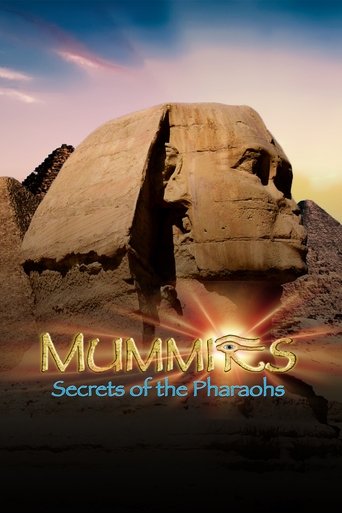
Mummies: Secrets of the Pharaohs
2007 · ★ 6.9
The grail is not the gold, nor the books of ancient wisdom, but the 3,000 year old DNA of the mummies, which may lead to a cure for malaria.
More info →Convalescing
2000
“Convalescing, when you don't have to participate in the world. Time to read, to dream, to look - the blue, the light of the television, the blue, the book, the patterns the light, the blue. Time to appreciate how much that really is.”
More info →Portraits
1972
Faces pass by in quickly edited, split-screen recordings. A 'structuralist' film in which the film material itself plays an important role. Grain, scratches and flickering give the film texture. The music is by Steve Reich.
More info →Sculptures for a Windless Space
1995 · ★ 2
A short film with shots of sculptures by Anneke Walvoort. The materiality of film plays an important role: visible grain, flashes of colour, unexpected camera movements.
More info →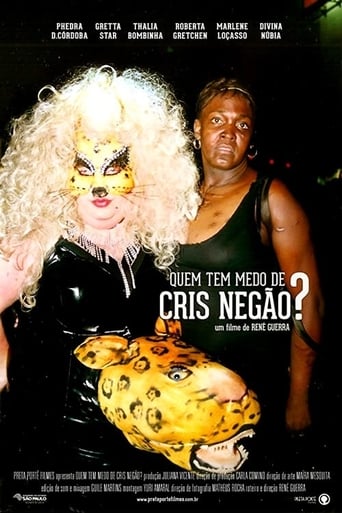
Who's Afraid of Cris Negão?
2012 · ★ 7.5
Cristiane Jordan, or Cris Negão, as she was called, was a transvestite who worked as a bawd in downtown of São Paulo known by her violent methods to control the other transvestites. Hated and feared by a legion, she also had her fans until she was tragically murdered with two shots in the head. The documentary is a dive into the transvestite universe through the stories of this legendary character of São Paulo's underworld.
More info →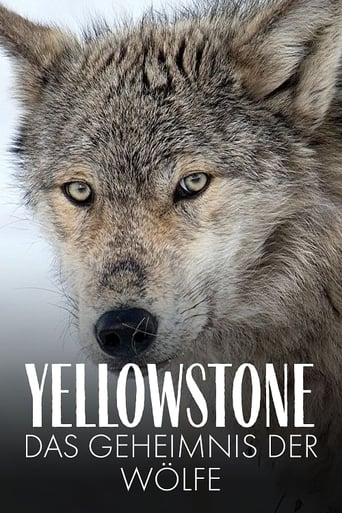
Yellowstone: The Mystery of the Wolves
2018 · ★ 7.8
70 years after the last wolves roamed the national park, a total of 41 wolves were reintroduced between 1995 and 1997. A globally unique experiment that had many supporters, but also resolute opponents, then as now.
More info →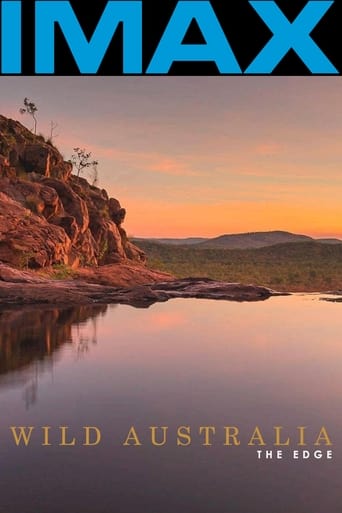
Wild Australia: The Edge
1996 · ★ 5.7
From beautiful but dangerous waterfalls to canyons and underground rivers carved into stone millions of years ago, Wild Australia is a stunning look at our fragile world and how it relates to Earth of ninety million years ago
More info →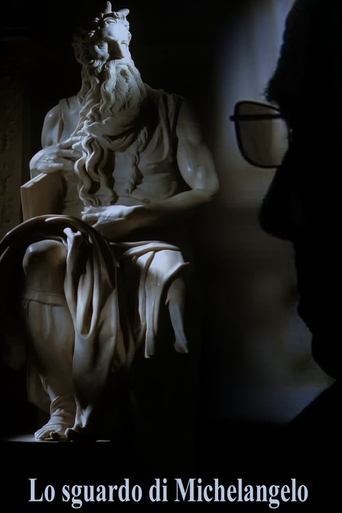
Michelangelo Eye to Eye
2004 · ★ 6.2
In this short documentary, Michelangelo Antonioni enters the church of San Pietro in Vincoli in Rome to contemplate Michelangelo Buonarroti’s statue of Moses. The film consists of Antonioni’s silent observation of the sculpture and the surrounding space, recorded during a visit following the restoration of the monument.
More info →