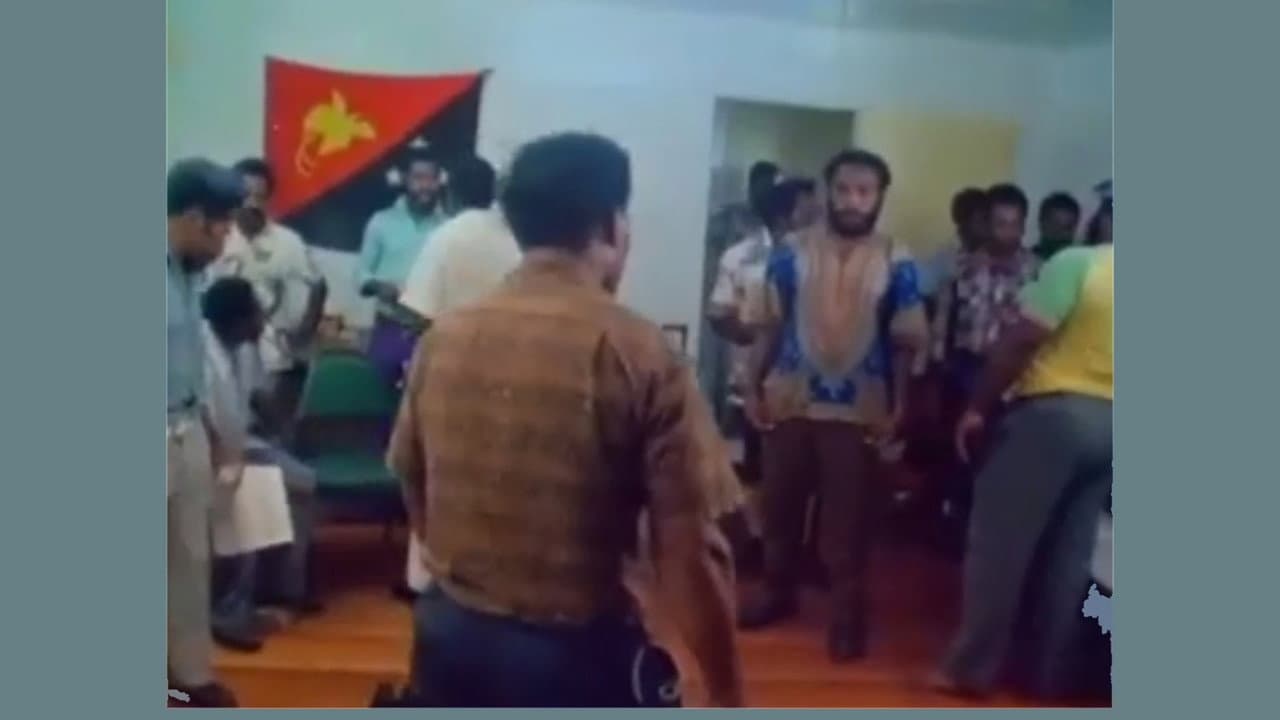
Ileksen: Politics in Papua New Guinea
★ 6.2 · 1978 · 59m · Documentary
A companion to Yumi yet, O’Rourke and Kildea’s Ileksen (derived from the English 'election’) documents Papua New Guinea’s first general election in 1977. The film records a broad cross-section of candidates who, without an extended media network at their disposal, rely on relentless campaigning, ingenuity and personal charisma to attract votes. Emphasising the divide between coastal people and highlanders, Ileksen looks at the election campaign, election day and the political manouvering that goes with the formation of a government.
More Like This
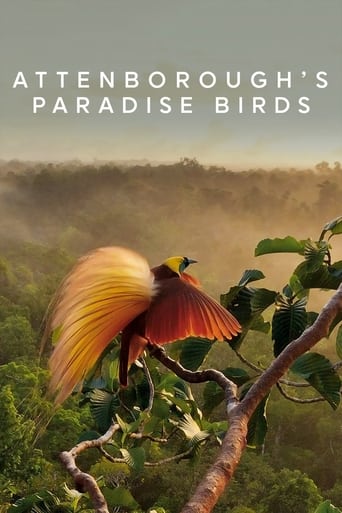
Attenborough's Paradise Birds
2015 · ★ 7.8
David Attenborough tells the remarkable story of how these " birds of paradise " have captivated explorers , naturalists, artists, filmmakers and even royalty.
More info →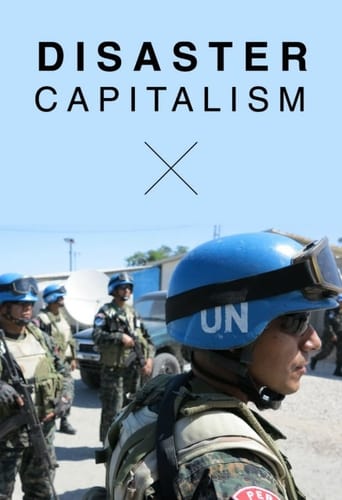
Disaster Capitalism
2018 · ★ 8.7
A documentary that reveals the underbelly of the global aid and investment industry. It's a complex web of interests that span the earth from powerful nations and multinational corporations to tribal and village leaders. This documentary offers unique insights into a multi-billion dollar world by investigating how aid dollars are spent.
More info →With the Army
1997
A report following the dramatic events of the Sandline affair, which resulted in the resignation of Papua New Guinea's Prime Minister, Sir Julius Chan.
More info →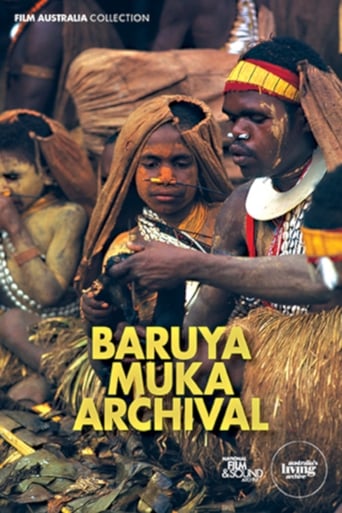
Baruya Muka Archival
1991
A detailed record of the first stage male initiation ceremony of the Baruya of the Eastern Highlands of Papua New Guinea. A group of nine to 12 year old boys are followed through their first initiation - from the last days with their families through their nose-piercing and other rituals and ordeals to the final feast given in their honour. It is a tough time, the beginning of a ten-year journey to warrior and manhood.
More info →
Papua New Guinea: Anthropology on Trial
1983
"Papua New Guinea: Anthropology on Trial" was a 1983 episode of the PBS science documentary series NOVA. It explored the field of anthropology, particularly in the context of Papua New Guinea, from the perspective of the people being studied.
More info →
Black Harvest
1992 · ★ 7.2
Joe Leahy is the half-caste son of one of the first explorers of the Papua New Guinean interior. The documentary explores his relationship with the tribes that work his coffee plantation and explores what happens when the coffee market situation becomes more difficult.
More info →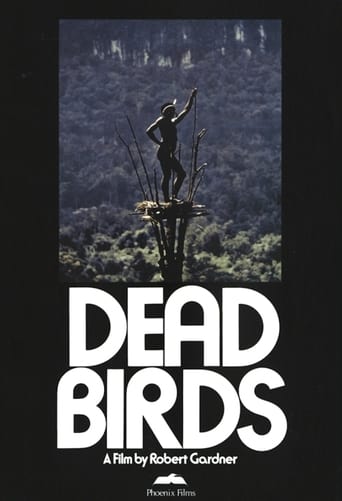
Dead Birds
1963 · ★ 6.1
An ethnographic documentary documenting the ritual warfare cycle, social life, and belief systems of the Dani people of the Baliem Valley in western New Guinea.
More info →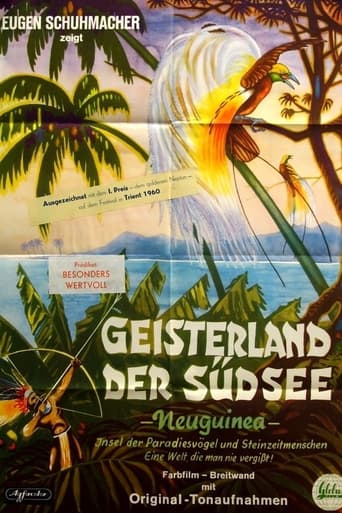
The Fabulous South Seas
1960 · ★ 7
The island of New Guinea is the setting for this film, which focuses on the landscape, the life of the Papuans and their ritual festivals and spirit dances. The colorful birds of paradise are the pride of the islanders. Among the more than 40 species, the smallest, the "Little King" with blood-red plumage, can also be found on the island.
More info →In Search of the Northern Cassowary
Deep in Papua's tropical forests, the Northern Cassowary (New Guinea's largest native animal) remains an enigma—a creature rarely seen, yet vital to the ecosystem. Often regarded as dangerous, this large, flightless bird is crucial for forest regeneration through seed dispersal. With habitat loss and hunting threatening their survival, efforts to protect cassowaries are more urgent than ever.
More info →
Papua and Kalabahai, Weird Haunts of Strange People
1933
This Traveltalk series short visits Papua and Kalabahai.
More info →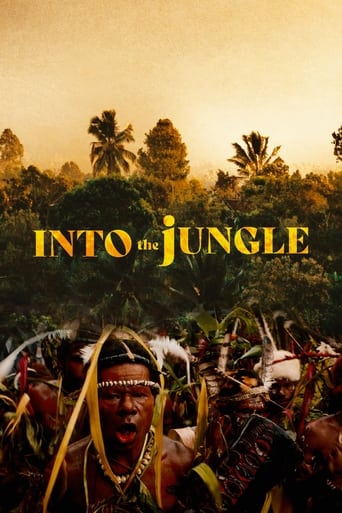
Into the Jungle
2018 · ★ 7.6
Conservationists Jim and Jean Thomas braved the steamy jungles of Papua New Guinea to save a tree kangaroo from extinction and ended up providing water and sanitation to ten thousand people in one of the most remote places on earth.
More info →Man without Pigs
1990 · ★ 6.8
John Waiko is the first Papua New Guinea man to graduate with a PhD and be appointed a professor. He returns to the Binandere clan and his small village of Tabara in the Northern Province of PNG. Once there, he has to organise a celebration for his achievements with his family’s help. Since he has been away for most of his life, he has no recognised wealth in the village (the pigs used for gift giving), nor a network of supporters or knowledge of the preparation and rituals for having such a celebration. He wants the event to happen quickly but that’s not the way it works in Tabara. Man without pigs focuses on the antagonism aroused by the clash between traditional customs and Western values in this remote PNG community.
More info →