The Diary of Immaculée
2006 · 39m · Documentary
Peter LeDonne and Steve Kalafer chronicle the extraordinary life of Immaculée Ilibagiza, a young African woman who escaped genocide in Rwanda and ultimately found refuge in the United States. Seeking shelter with an Episcopalian minister, Immaculée hid from her attackers inside a bathroom for three long months but stayed centered through prayer and faith.
More Like This
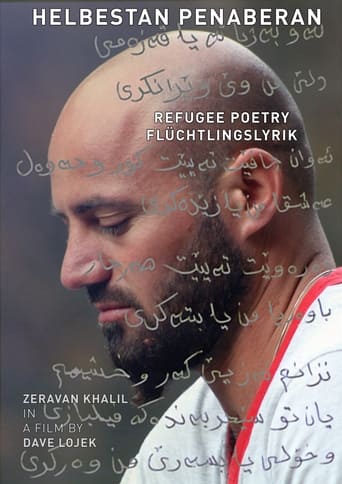
Refugee Poetry
2016 · ★ 10
The Kurdish Iraqi poet and actor Zeravan Khalil travels with his dog through an Alpine gorge after fleeing from IS war and genocide. As he remembers the abomination, he writes a poem with the title “You drive me mad” in Kurmanji Kurdish. In his home country, Yazidic Kurds are forbidden to work in his profession. Then he eats his apple and wanders through Europe’s middle with more hope.
More info →
Amir: An Afghan Refugee Musician's Life in Peshawar, Pakistan
1985 · ★ 7
Amir, shot during the height of the Afghan civil war in the 1980s, investigates and portrays the life of Afghan refugees living in and around the city of Peshawar in northern Pakistan through the experiences of the musician Amir. The aspirations of Afghan refugees are expressed through their political songs dealing with the civil war in Afghanistan, with exile, with Afghan nationalism and with the Islamic revolution. In highly charged and tragic circumstances, music can be used in very direct ways, both to promote solidarity and as an agent of catharsis.
More info →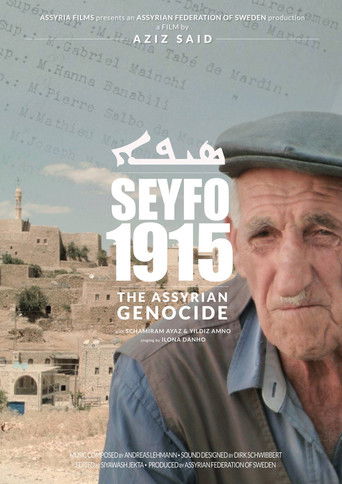
Seyfo 1915 - The Assyrian Genocide
2015 · ★ 10
In the shadow of the First World War, the genocide of the Christian Assyrians took place almost unnoticed by the world public. This first systematic genocide of the 20th century was committed by the Young Turks (Ottoman Empire) and would not have been possible without the support of some Kurdish local rulers and their family clans. The Assyrians are the indigenous people of Mesopotamia and have lived in Mesopotamia for thousands of years. The film includes testimony from several European, Turkish and Assyrian historians, as well as genocide researchers, including Professor Taner Akcam, Dr. Gabriele Yonan and Professor David Gaunt. The film includes testimony from survivors of the genocide. Various journalists and publicists also have their say with well-researched information in this documentary. The Assyrians refer to the Genocide as "Seyfo" (ܣܝܦܐ), which translates as "sword".
More info →Scattered People
2021
Follows Mas and Saha, two young Iranian asylum seeker musicians, navigating a frightening new world of immigration detention - where they discover the power of music.
More info →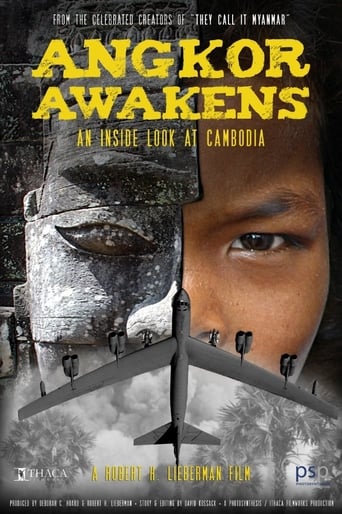
Angkor Awakens: A Portrait of Cambodia
2017
A moving psychological portrait of Cambodia decades after a devastating genocide, examining how baksbat (Khmer for "broken courage") continues to impact modern Cambodia.
More info →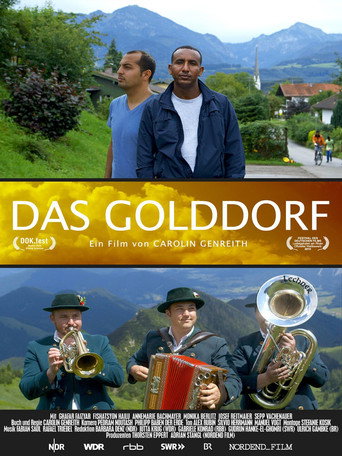
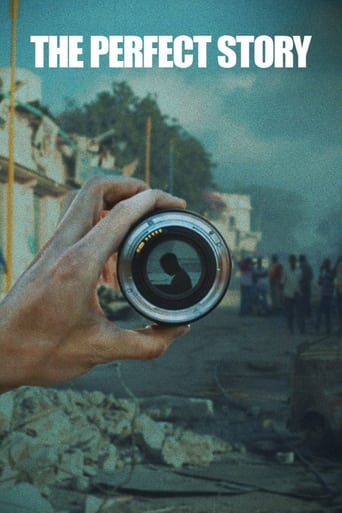
The Perfect Story
2022
The Perfect Story offers a riveting, intimate look at the ethical and moral challenges sparked by the relationship between a foreign correspondent and a young Somali refugee. By revealing the boundaries of journalism and filmmaking, the film questions what stories are told, why, and who gets to tell them.
More info →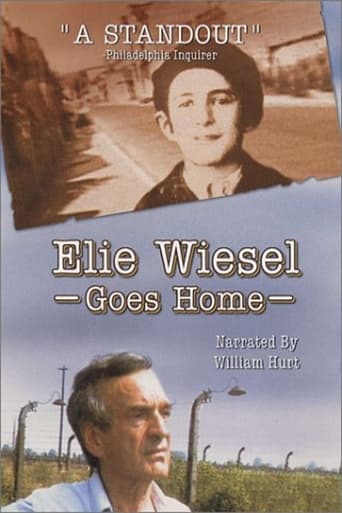
Elie Wiesel Goes Home
1997 · ★ 9
A documentary chronicling the adolescent years of Elie Wiesel and the history of his sufferings. Eliezer was fifteen when Fascism brutally altered his life forever. Fifty years later, he returns to Sighetu Marmatiei, the town where he was born, to walk the painful road of remembrance - but is it possible to speak of the unspeakable? Or does Auschwitz lie beyond the capacity of any human language - the place where words and stories run out?
More info →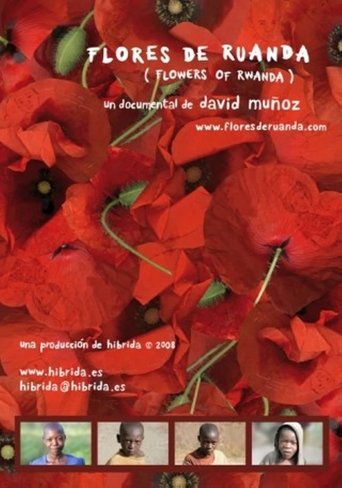
Flowers of Rwanda
2008
Rwanda. 14 years after the genocide that took the lives of more than 800,000 people. What situation is the country in now? What feelings reign in the hearts of the victims? Can victims and executioners coexist? What value does education have in a society that has experienced genocide? Can it happen again? Who should act when a genocide is taking place? Do we have any responsibility as individuals?
More info →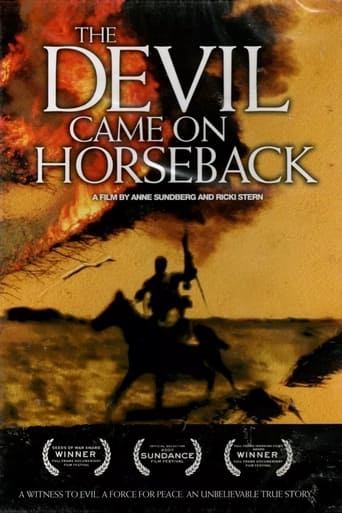
The Devil Came on Horseback
2007 · ★ 7.2
While serving with the African Union, former Marine Capt. Brian Steidle documents the brutal ethnic cleansing occuring in Darfur. Determined that the Western public should know about the atrocities he is witnessing, Steidle contacts New York Times reporter Nicholas Kristof, who publishes some of Steidle's photographic evidence.
More info →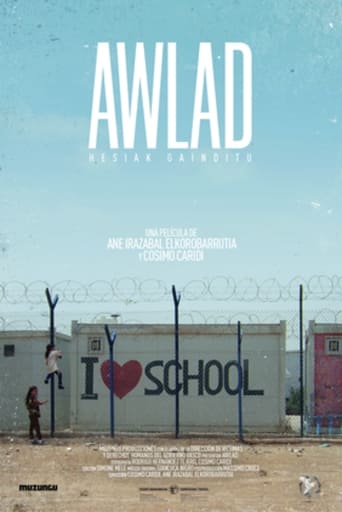
Awlad
Α quarter of the global population of school age lives in war zones or disaster areas. Fewer than one in four underage refugees attends secondary school. Only one in twenty enrolls for university. Less than two per cent of global humanitarian aid is spent on education. This is the story of four refugee children living in different countries, and a documentation of their daily struggle to obtain a formal education.
More info →