Doctors, Liars, and Women: AIDS Activists Say No to Cosmo
★ 10 · 1988 · 23m · Documentary
Outraged by the controversial January, 1988 article in Cosmopolitan magazine, the women in the AIDS Coalition to Unleash Power, (Act Up, New York), organized the first AIDS demonstration focused on women. Doctors, Liars and Women:AIDS Activists Say No To Cosmo not only documents the efforts of the Women's Committee to organize this protest, it also serves as a how-to-guide for direct action.
More Like This

Microcosmos
1996 · ★ 7.6
A documentary of insect life in meadows and ponds, using incredible close-ups, slow motion, and time-lapse photography. It includes bees collecting nectar, ladybugs eating mites, snails mating, spiders wrapping their catch, a scarab beetle relentlessly pushing its ball of dung uphill, endless lines of caterpillars, an underwater spider creating an air bubble to live in, and a mosquito hatching.
More info →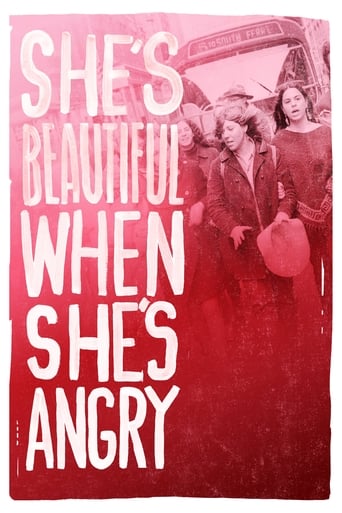
She's Beautiful When She's Angry
2014 · ★ 7.4
A documentary that resurrects the buried history of the outrageous, often brilliant women who founded the modern women's movement from 1966 to 1971.
More info →This Time Next Year
2014
A poetic documentation of the Long Beach Island, NJ community as they battle local politics, cope with personal tragedy, and band together after Hurricane Sandy.
More info →
The Aviatrix
2015 · ★ 10
In 1928, Lady Heath became the first person to fly solo from Cape Town to London. Eighty-five years later, Tracey Curtis-Taylor set out in a vintage biplane to fly that adventure again. Following Tracey as she retraces the journey, The Aviatrix is more than just a film about the rapture of flying – it’s a story about living life on your own terms and having the courage and determination to realise your greatest dreams.
More info →
The Domino Effect
2014 · ★ 5.6
Rafael - the minister of sports of an unrecognized country, and Natasha - a Russian opera singer, try living together in Abkhazia - a war-torn future-less country. Observing their difficult relations, we see life in a place marked by war and nationalism. The film portrays trapped people dreaming of peace, normality and happiness.
More info →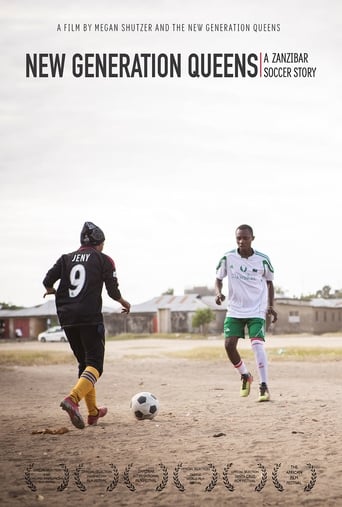
New Generation Queens: A Zanzibar Soccer Story
2015
On an island where religion bars women from playing soccer, the Queens resist cultural norms and challenge local assumptions about Islam and gender identity. The film explores the history and character of the team, and the evolving perception of women in sports on the island.
More info →
Beyond Right & Wrong: Stories of Justice and Forgiveness
2012 · ★ 6.2
A survivor of the Rwandan Genocide struggles to forgive the man who killed her children. A victim’s daughter strikes up an unusual friendship with the ex-IRA bomber who killed her father. And two men—one Israeli, one Palestinian—form a bond after tragedies claim their daughters.
More info →
Inner Wars
2020 · ★ 5.8
Since the uprising of a pro Russian insurgency in eastern Ukraine in 2014, hundreds of women joined the army. Only a few made it to the front line. Filmmaker Masha embeds herself in the war zone to follow the daily life of three of them. By sharing the intimacy of these fighters, Masha soon becomes a victim of this brotherhood conflict jeopardizing this film and her life.
More info →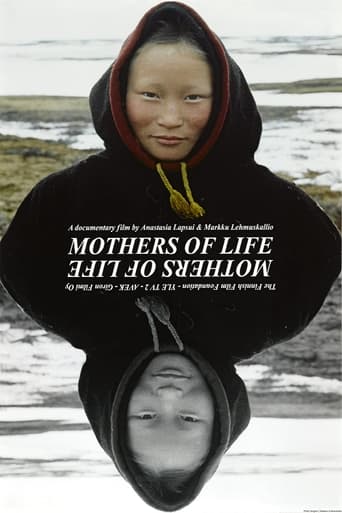
Mothers of Life
2002 · ★ 6.5
A documentary on the experiences of the Nubetya Yaptiks nomadic family in the Yamal Peninsula, Eastern Siberia, from 1992 to 2001.
More info →
Daddy I Do
2010 · ★ 7
The Purity Ball symbolizes a father's protection over his daughter's virginity, but how does this reflect in the choices she makes, understanding her sexuality, and knowing her worth as a woman? This documentary examines the effects of Abstinence-Only Programs versus Comprehensive Sex Education in schools and what society can do to help lower teen pregnancies, abortions, and STDS, as well as poverty and sexual abuse.
More info →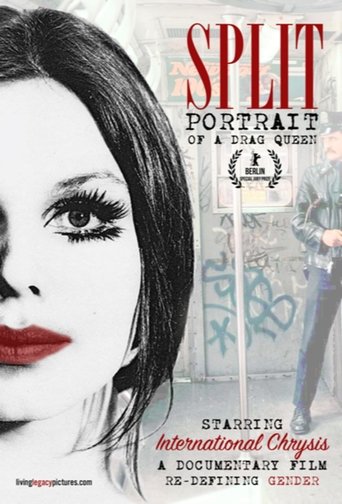
Split: Portrait of a Drag Queen
1993 · ★ 3
A documentary portrait of International Chrysis, a New York “show girl” and drag queen. Surreal herself, Chrysis was one of Salvador Dali’s inner circle, a woman from the waist up, a man from the waist down.
More info →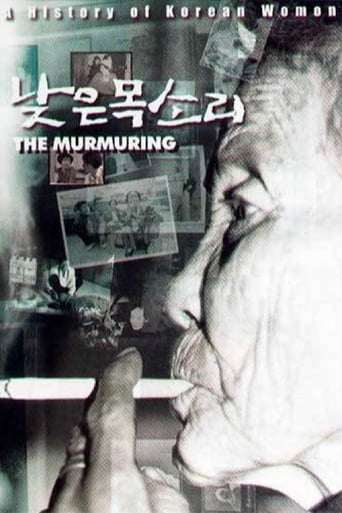
The Murmuring
1995 · ★ 5.8
Every Wednesday at noon, women who were kidnapped for sexual purpose by the Japanese army during its imperialism and their supporters demonstrate against Japanese government to request official apology and indemnity for their crimes. This documentary portrays sexually abused old women's suppressed story of overcoming of their shame and forced silence.
More info →