History and Memory: For Akiko and Takashige
★ 10 · 1991 · 32m · Documentary
This film is a poetic composition of recorded history and non-recorded memory. Filmmaker Rea Tajiri’s family was among the 120,000 Japanese and Japanese Americans who were imprisoned in internment camps after the attack on Pearl Harbor. And like so many who were in the camps, Tajiri’s family wrapped their memories of that experience in a shroud of silence and forgetting. This film raises questions about collective history – questions that prompt Tajiri to daringly re-imagine and re-create what has been stolen and what has been lost.
More Like This
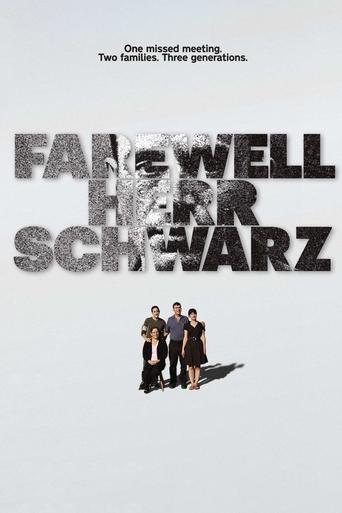
Farewell, Herr Schwarz
2014 · ★ 8.5
A documentary about the outcome of a decision made by a brother and sister in 1945. One missed meeting, two families, and three generations.
More info →Hitler's Hitparade
2005 · ★ 7
A compilation of found footage from musicals, home movies, animated shorts, educational films, commercials, and propaganda set against pop music from the Third Reich, Hitler's Hitparade presents audiences with an unprecedented experiential collage of Nazi Germany.
More info →
Jazz in Love
2013 · ★ 6
Jazz in Love tells the story of Jazz, a young man from Davao whose dream wedding is within reach: his boyfriend of 11 months has proposed. Because no law allows him to get married in the Philippines, he must fly to Germany, his boyfriend's home country, and tie the knot there. One of the things that stand in his way is his inability to speak Deutsch, and to address that he must temporarily relocate to Manila for language lessons. Meanwhile, his parents remain completely unaware of the radical changes that his life is about to undergo.
More info →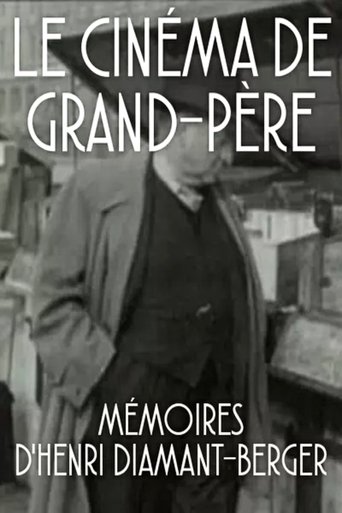
Le Cinéma de grand-père
1995
Remarkable life story of Henri Diamant-Berger, a director and screenwriter whose devotion to cinema led him to collaborate with some of the greatest actors and filmmakers of his time.
More info →
You've Got Beautiful Stairs, You Know...
1986 · ★ 5.9
Short directed by Agnès Varda in 1986 on the occasion of the 50th anniversary of the French Cinematheque, presenting a contrast between the famous stairs from the place along with classic film images also revolving around stairs.
More info →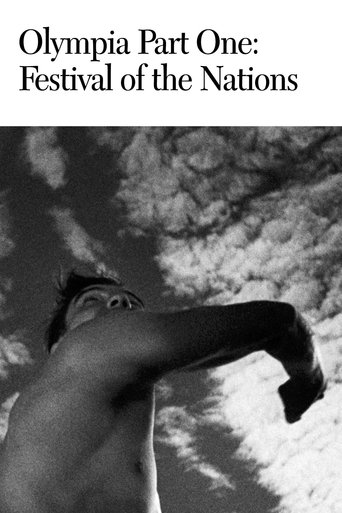
Olympia Part One: Festival of the Nations
1938 · ★ 6.9
Starting with a long and lyrical overture, evoking the origins of the Olympic Games in ancient Greece, Riefenstahl covers twenty-one athletic events in the first half of this two-part love letter to the human body and spirit, culminating with the marathon, where Jesse Owens became the first track and field athlete to win four gold medals in a single Olympics.
More info →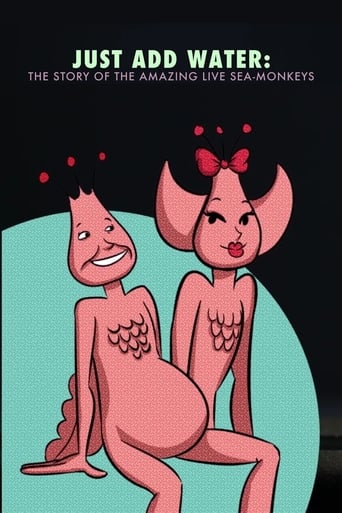
Just Add Water: The Story of the Amazing Live Sea-Monkeys
2016
The Story of the Amazing Live Sea-Monkeys is the colourful and surprising true story of a man named Harold von Braunhut; a man who could look at the humblest of creatures – the brine shrimp – and imagine an empire built upon it. Breezy, colourful short about a half-century of marketing directly to children, the force of nostalgia in pop culture, and an unlikely meeting of flimflam and hard science.
More info →
There is No Death For Me
2000 · ★ 8.5
It is a documentary story about five legends of russian cinema: Nonna Mordyukova, Tatyana Okunevskaya, Tatyana Samoylova, Lidiya Smirnova and Vera Vasileva. These wonderful women tell about their lifes and careers in hour interview.
More info →
An Island for Miguel
1968 · ★ 6.2
In this film, Sara Gómez documents the everyday life of the Isla de Pinos, the discussions about the problems of construction, the school and the leisure activities of the youth in 1968 and contextualizes these images with Frantz Fanon's thoughts about the construction of a nation through decolonization.
More info →The Future Is Rotten
2020
A secret culture of foragers hunt the Matsutake, a coveted Japanese mushroom worth up to $1,000 a pound—although its true value lies underground as a brilliant networker and healer of ruined landscapes. The Matsutake might just be our last, best hope for an American forest system run amok.
More info →
Jaha's Promise
2017 · ★ 7.3
A documentary about the life and activism of Jaha Dukureh, a Gambian anti-female genital mutilation campaigner who returns to her country of birth to confront the harmful tradition that she and 200 million women and girls have undergone globally.
More info →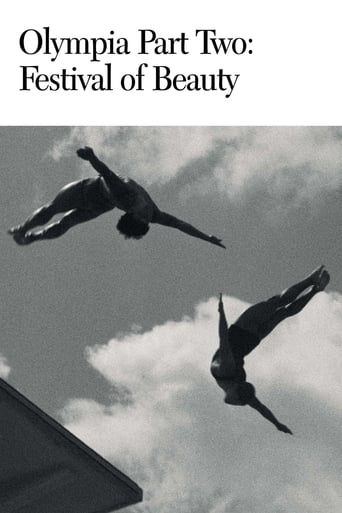
Olympia Part Two: Festival of Beauty
1938 · ★ 6.7
Part two of Leni Riefenstahl's monumental examination of the 1938 Olympic Games, the cameras leave the main stadium and venture into the many halls and fields deployed for such sports as fencing, polo, cycling, and the modern pentathlon, which was won by American Glenn Morris.
More info →