Skovshovedkonerne Sælger Fisk Ved Gammel Strand
1913 · 1m · Documentary
Street Trading. Fishermen's wives from Skovshoved sell their fish from the stalls at Gammel Strand. Anker Kirkeby is in the picture.
More Like This
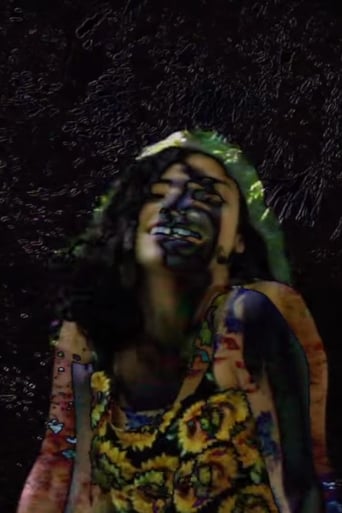
Popsong
2016
The world appears black on black until it separates from itself, looks at itself, includes itself, and sees colour.
More info →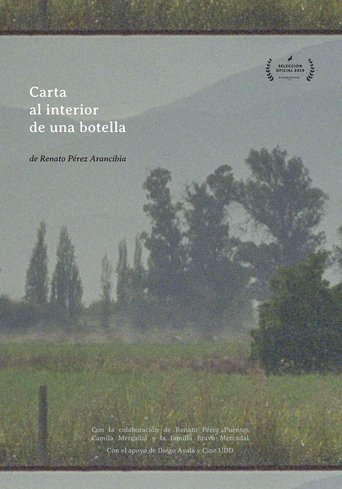
Carta al Interior de una botella
2019
The meeting point between two comunication media: A letter written in 1929 -hidden inside the adobe walls of an old country house - and the shooting of the coutryside along the highway that connects two Chilean cities un 2018.
More info →Wolf Hunt
1908 · ★ 7
An early silent film, made before intertites became common (which is why very early silent films are narrated, at best). This was filmed in 1907 but released in 1908. It was made at the request of Teddy Roosevelt, who saw coyotes being caught in Oklahoma *by hand*, and folks back east didn't believe him. While this movie is called "The Wolf Hunt", it was actually coyotes being caught, not wolves.
More info →Women of the Ghetto Bathing
1901 · ★ 6
The subject is a group of women bathing in a public swimming pool. The camera was placed on the edge of the pool and the full extent of the film shows the women in the pool. Only the heads and shoulders of most of the women are visible but it is possible to see they are wearing rented bathing attire.
More info →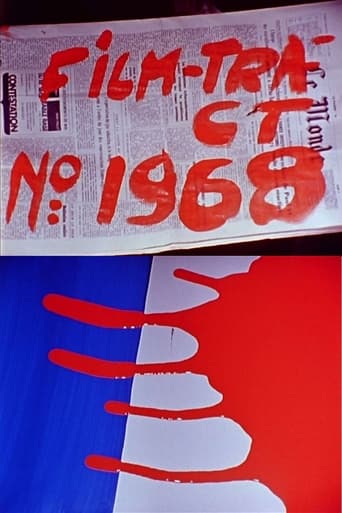
Film-Tract n° 1968
1968 · ★ 6.5
In the 1968 movement in Paris, Jean-Luc Godard made a 16mm, 3-minute long film, Film-tract No.1968, Le Rouge, in collaboration with French artist Gérard Fromanger. Starting with the shot identifying its title written in red paint on the Le Monde for 31 July 1968, the film shows the process of making Fromanger’s poster image, which is thick red paint flows over a tri-color French flag. —Hye Young Min
More info →
Les Outils du Jeu
2017
This non-narrative short film examines one of the great American icons: the Louisville Slugger baseball bat. The film was conceived by its co-directors, Marlon Johnson and Dennis Scholl, along with the Louisville Orchestra's conductor, Teddy Abrams, to be screened set to a live performance by the orchestra of Claude Debussy's "Jeux".
More info →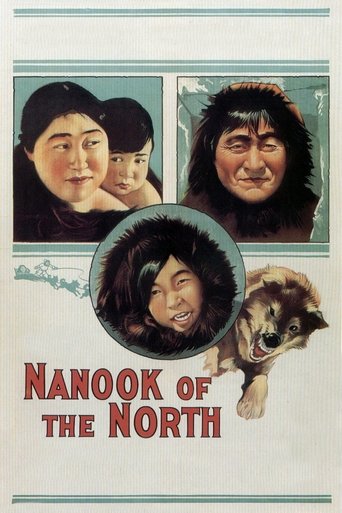
Nanook of the North
1922 · ★ 7.1
This pioneering documentary film depicts the lives of the indigenous Inuit people of Canada's northern Quebec region. Although the production contains some fictional elements, it vividly shows how its resourceful subjects survive in such a harsh climate, revealing how they construct their igloo homes and find food by hunting and fishing. The film also captures the beautiful, if unforgiving, frozen landscape of the Great White North, far removed from conventional civilization.
More info →Just Life
2001
Shurochka, the film’s hero, spends her life walking from one village to another in order to weigh tractors. Yet, this makes just one part of her existence. She dances to Utiosov’s songs, she smiles to the pictures of old Soviet actresses and shows a wonderful taste for life amidst the lonely provincial disorderliness.
More info →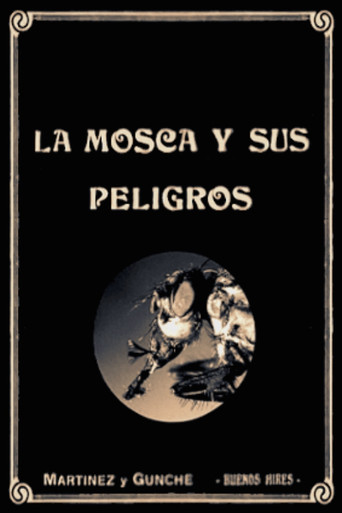
The Dangers of the Fly
1920 · ★ 5.4
The Dangers of the Fly is an educational film made by Ernesto Gunche and Eduardo Martínez de la Pera, also responsible for Gaucho Nobility (1915), the biggest blockbuster of Argentinean silent cinema. De la Pera was a talented photographer, always willing to try new gadgets and techniques. This film experiments with microphotography in the style of Jean Comandon's films for Pathé and it is part of a series which included a film about mosquitoes and paludism and another one about cancer, which are considered lost. Flies were a popular subject of silent films and there are more than a dozen titles featuring them in the teens and early twenties.
More info →
La ruta de don Quijote
1934 · ★ 6
A poetic journey through the paths and places of old Castile that were traveled and visited by the melancholic knight Don Quixote of La Mancha and his judicious squire Sancho Panza, the immortal characters of Miguel de Cervantes, which offers a candid depiction of rural life in Spain in the early 1930s and illustrates the first sentence of the first article of the Spanish Constitution of 1931, which proclaims that Spain is a democratic republic of workers of all kind.
More info →