Last to Know
★ 8 · 2006 · 72m · Documentary
In the documentary Last To Know political prisoners, sent to jail for openly opposing the East German regime that existed until the German reunification in 1990, talk about their times of trial and their lives today. Neither they, nor their families have come to terms with what happened.
More Like This

Daughters
2024 · ★ 7
Four young girls prepare for a special Daddy Daughter Dance with their incarcerated fathers, as part of a unique fatherhood program in a Washington, D.C., jail.
More info →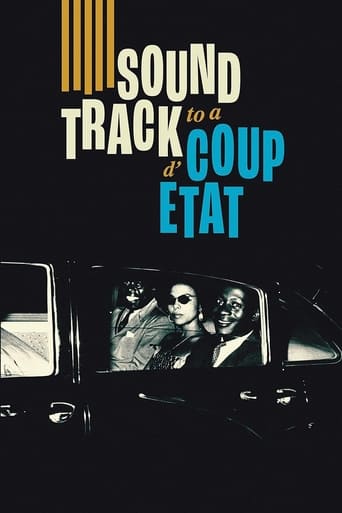
Soundtrack to a Coup d'Etat
2024 · ★ 7.7
Jazz and decolonization are intertwined in a powerful narrative that recounts one of the tensest episodes of the Cold War.
More info →Spies: The Dirty Game of Espionage
1991 · ★ 4
You are about to enter the world of double-cross and triple-cross, of information and disinformation, of betrayal, blackmail, and murder. It is the world of international espionage with recently declassified and never before seen footage. A made-to-VHS documentary from the 1990s.
More info →
The Day Called X
1957
Portentously portrays the evacuation of Portland, Oregon, when threatened by a nuclear attack on its state-of-the-art civil defense system.
More info →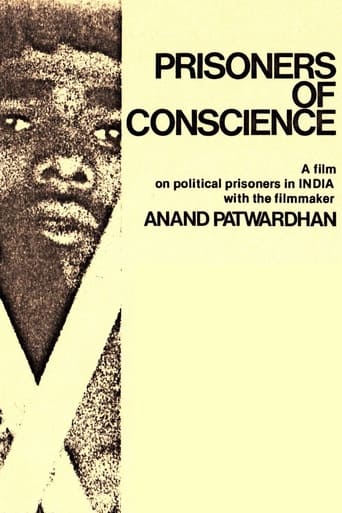
Prisoners of Conscience
1978 · ★ 9
An early Patwardhan documentary completed in 1978, Prisoners of Conscience focuses on the state of emergency imposed by Indira Ghandi from June 1975 through March 1977. During this time over 100,000 people were arrested without charge and imprisoned without trial. They were released only by the government that replaced Ghandi's. The film also shows that political prisoners existed in India before the state of emergency and continued after the new government was elected.
More info →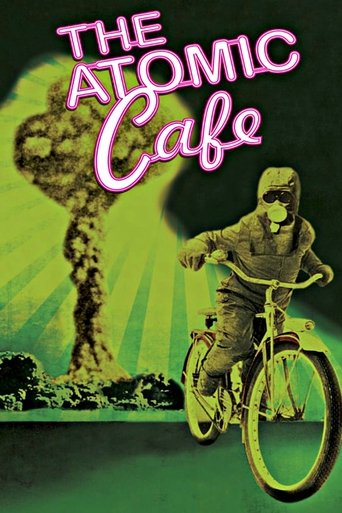
The Atomic Cafe
1982 · ★ 7.3
A disturbing collection of 1940s and 1950s United States government-issued propaganda films designed to reassure Americans that the atomic bomb was not a threat to their safety.
More info →
Our Children
1989 · ★ 9.5
From an official perspective, marginal youth culture did not exist in East Germany. The topic of subcultures was taboo in the GDR, and groups such as goths, skinheads, anti-skins, punks and neo-Nazis were dismissed as social deviations promoted by western countries. Director Roland Steiner had access to such young East Germans in the late 1980s. Over the course of four years, he brought them before the camera in an attempt to understand what drew them to these groups.
More info →
Tragedy or Hope
1972
Contrasting radical mobs, anarchy, and 1960s counterculture with footage of American manufacturing and innovation, this film celebrates the concept of American exceptionalism and argues that anti-Vietnam War protesters were influenced by communism, atheism, and immorality. Set mostly in a university library, this political debate between a medical student, his 1770s ancestor, and a history professor is a sequel to the 1972 National Education Program film, Brink of Disaster! Two additional characters appear in this drama: a 19th-century steamboat captain, and the student’s grandfather - an early 20th-century automobile worker. The National Education Program at Harding College in Searcy, Arkansas created a variety of widely-distributed anti-communism films from the mid-1940s to the early 1970s.
More info →
Tunnel to Freedom
2021 · ★ 7.2
13 August 1961: the GDR closes the sector borders in Berlin. The city is divided overnight. Escape to the West becomes more dangerous every day. But on September 14, 1962, exactly one year, one month and one day after the Wall was built, a group of 29 people from the GDR managed to escape spectacularly through a 135-meter tunnel to the West. For more than 4 months, students from West Berlin, including 2 Italians, dug this tunnel. When the tunnel builders ran out of money after only a few meters of digging, they came up with the idea of marketing the escape tunnel. They sell the film rights to the story exclusively to NBC, an American television station.
More info →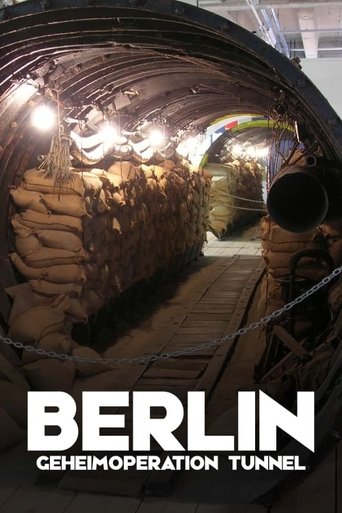
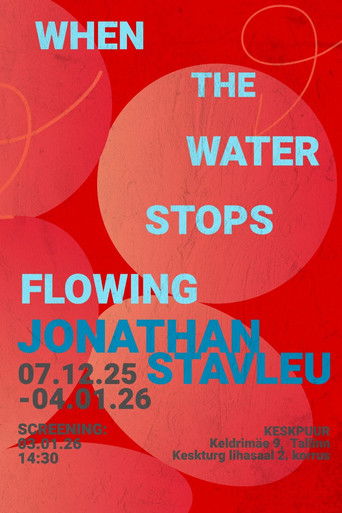
When the Water Stops Flowing
2026
Jonathan Stavleu explores, in a stream-of-consciousness video essay, the relationship people have with water and what happens when access to it is taken away. For this work, he examines anecdotal histories he has heard from Estonians, as well as stories from his own family history in the Netherlands, weaving them together into a journal-like narrative.
More info →