Dragan Wende - West Berlin
★ 3.6 · 2014 · 87m · Documentary
Dragan Wende has lived in Berlin since the '70s and has seen the city change through the years. His nephew comes to live with him as Dragan remembers the better days he lived as a Yugoslavian immigrant in a divided city.
More Like This
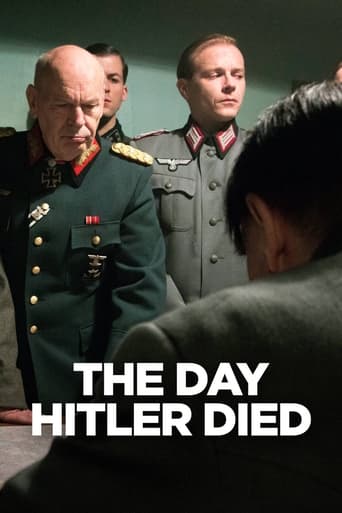
The Day Hitler Died
2015 · ★ 6.8
The story of Hitler’s final hours told by people who were there. This special features exclusive forgotten interviews, believed lost for 65 years, with members of Hitler’s inner circle who were trapped with him in his bunker as the Russians fought to take Berlin. These unique interviews from figures such as the leader of the Hitler Youth Artur Axmann and Hitler’s secretary Traudl Junge, have never before been seen outside Germany. Using rarely seen archive footage and dramatic reconstruction, this special tells the story of Adolf Hitler’s final days in his Berlin bunker.
More info →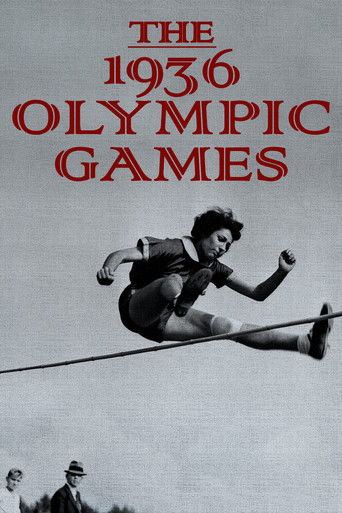
The 1936 Olympic Games
2016
On the 1st August 1936, 100,000 spectators watched as Hitler and the Olympic delegates arrived at the Olympic opening ceremony in Berlin. The Olympic flags hung cheerfully side-by-side banners bearing the Nazi swastika. With the help of specialists and images from Léni Riefenstahl’s 1938 film, ‘Olympia’, we see what really went on behind the scenes and investigate the secret negotiations and compromises made by the International Olympic Committee to bring the Olympics to Berlin.
More info →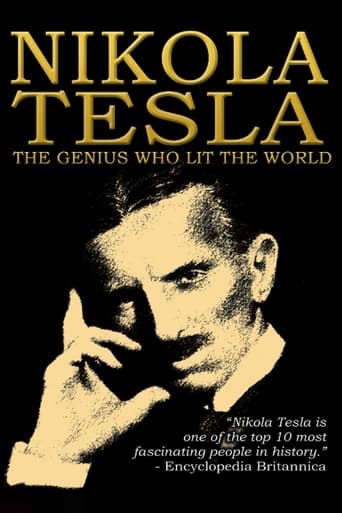
Nikola Tesla: The Genius Who Lit the World
1994 · ★ 7.4
Nikola Tesla is considered the father of our modern technological age and one of the most mysterious and controversial scientists in history.
More info →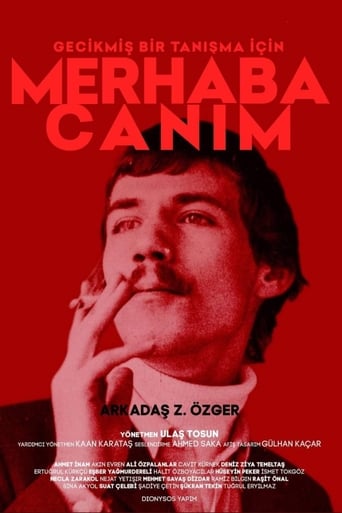
Hello My Dear
2021 · ★ 7.5
The documentary is titled after Arkadaş Z. Özger’s poem “Hello My Dear” which had caused much controversy in the period it was first published. Considered to be in defiance of heteronormativity, the said poem includes references to the poet’s personality, his family, his relationship to the society, and his “unexpected” death, which came three years after its publication. Today, 50 years after it was written, the documentary follows these same lines in the poem utilising cinematic elements. The documentary also rediscovers the poetics; reaches out to the family, the comrades, the friendships, departing from the official historical accounts, cognizant of his experience of otherness, in pursuit of the “lost” portrait of Arkadaş Z. Özger.
More info →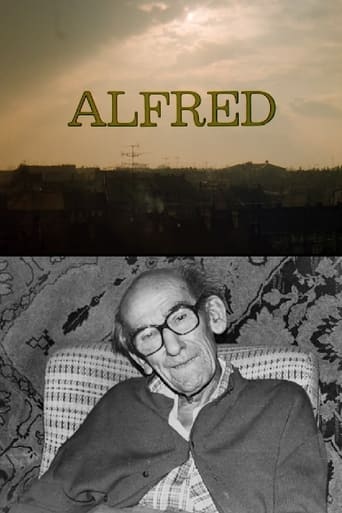
Alfred
1986 · ★ 6.7
Short biographical documentary about the life of Alfred Florstedt and his life as a progressive communist from the Weimar Republic to his death in 1985.
More info →
Winter of a slacker
1974
At the beginning of the 70s, Sahia Studio produced a number of social investigations commissioned by the Central Committee of the Romanian Communist Party, intended to expose the so-called "social parasitism". The decision was taken after the theses of July 1971, which provide that "one of the main objectives of political work, especially among the youth, is the firm fight against the tendencies of parasitism, of an easy life, without work, the cultivation of responsibility and the duty to work , in the service of the country, the people, the socialist society". The most famous films, made with the competition of the Ministry of the Interior and the Ministry of Justice, are Să treacă vara and Iarna unor pierde vară
More info →
Open files
1975
A more experimental aproach to labor protection films. In the line of Săucan's style, the soundtrack is as important as the image, the threatening music, full of shrillness, composed by Ion Dumitrescu potentiating the visual construction that mixes - in a montage reminiscent of the Soviet avant-garde school of the 1920s - all kinds of shooting techniques and frame combinations.
More info →Berliner Pflaster
1956
Commissioned by the Berliner Landesbildarchiv, this movie shows countless impressions of (West) Berlin everyday life, accentuated with self-ironic commentary.
More info →
Carlos: Terrorist Without Borders
1997
Documentary about Ilyich Ramírez Sánchez, aka "Carlos the Jackal", international terrorist.
More info →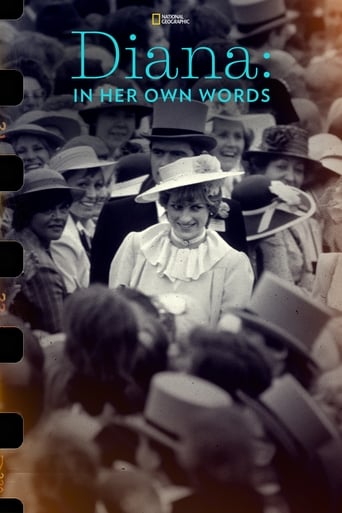
Diana: In Her Own Words
2017 · ★ 7.6
Using home videos recorded by her voice coach, Diana takes us through the story of her life.
More info →
Let All Children Smile
1957
The film's protagonists are the orphaned children taken into custody by the state and institutionalized at Children's House no. 6 from Bucharest. For Mészáros, the concern for the situation of children left orphaned during the Second World War is autobiographical: the director directly experienced the absence of parents in her own childhood.
More info →
Treasures of the Anglo-Saxons
2010 · ★ 7
In this hour-long documentary, Oxford academic Janina Ramirez tours the country in search of Anglo-Saxon art treasures. Her basic thesis - and it is a plausible one - is that we should not look upon their era as a "dark age" as compared, for example, to Roman times, but rather celebrate it as an age in which creativity flowered, especially in terms of artistic design as well as symbolism. She shows plenty of good examples, ranging from the Franks Casket to the Staffordshire Hoard, and the Lindisfarne Gospels.
More info →