Dan Cruickshank and the Family That Built Gothic Britain
★ 8 · 2014 · 60m · Documentary
As good as any Dickens novel, this is the triumphant and tragic story of the greatest architectural dynasty of the 19th century. Dan Cruickshank charts the rise of Sir George Gilbert Scott to the very heights of success, the fall of his son George Junior and the rise again of his grandson Giles. It is a story of architects bent on a mission to rebuild Britain. From the Romantic heights of the Midland Hotel at St Pancras station to the modern image of Bankside power station (now Tate Modern), this is the story of a family that shaped the Victorian age and left a giant legacy.
More Like This

Attack! The Battle for New Britain
1944 · ★ 7
Actual footage by the United States Signal Corps of the landing and attack on Arawe Beach, Cape Glouster, New Britain island in 1943 in the South Pacific theatre of World War Two, and the handicaps of the wild jungle in addition to the Japanese snipers and pill-box emplacements.
More info →
Rebels and Redcoats: How Britain Lost America
2004
A history of the American War of Independence.
More info →The Lost World of the Seventies
2012
Michael Cockerell sheds new light on the tragi-comedy of the 1970s by focusing on some of its most controversial characters. With fresh filming and new interviews, along with a treasure trove of rare archive, the film presents the inside story of giant personalities who make today's public figures look sadly dull in comparison. The well-known journalist revisits some of his films on the big characters who helped shaped the 1970s in Britain. Both tragic and comic, it highlights just how much our world has changed in four decades.
More info →
Listen to Britain
2022
This spiritual successor to the 1942 original explores the vibrant yet tumultuous growth of Britishness over the past century. The film gives voices to a new reality of Britain, one that has been formed through the flourishing multiculturalism the country has seen since the original film was made. Academics and artists are interviewed to explore both past and present, and consider what a future Britain may look like.
More info →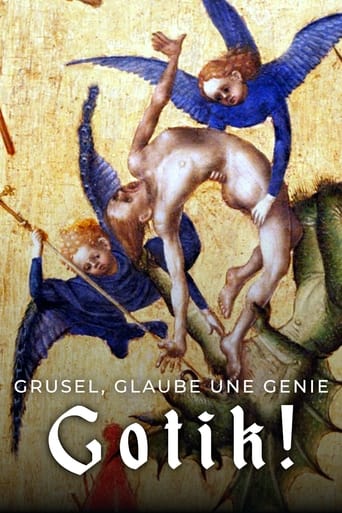
The Genius of Gothic Art
2021 · ★ 7.5
Death and the devil, nudity and eroticism, horror in blazing colours, Gothic art cast a spell over people 500 years ago. In these image-poor times, art deliberately and skilfully played with the emotions of the viewer, triggering fear, devotion, but also rapture. Art documentary on German gothic art of the late-middle ages.
More info →
Britain's Greatest Invention
2017 · ★ 8
BBC Two takes us inside the world's biggest invention time capsule - the Science Museum vaults - and asks the nation to vote for Britain's Greatest Invention.
More info →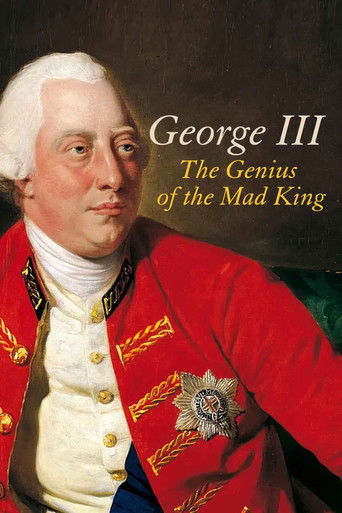
George III: The Genius of the Mad King
2017 · ★ 6
After 200 years under lock and key, all the personal papers of one of our most important monarchs are for the first time seeing the light of day. In the first documentary to gain extensive access to the Royal Archives, Robert Hardman sheds fascinating new light on George III, Britain's longest reigning king. George III may be chiefly remembered for his madness, but these private documents reveal a monarch who was a political micromanager and a restless patron of science and the arts, an obsessive traveller who never left southern England yet toured the world in his mind and a man who was driven (sometimes to distraction) by his sense of duty to his family and his country. Featuring Simon Callow and Sian Thomas as the voices of King George and Queen Charlotte.
More info →
Bauhaus: Gotham
1999 · ★ 8.5
A registration of the band's concert at the Roseland Ballroom in New York City during their 1998 reunion tour.
More info →
Hogwood: A Modern Horror Story
2020 · ★ 7.6
Hogwood: A Modern Horror Story takes you beyond the factory farm walls and follows an intrepid group of undercover investigators as they enter some of Britain's biggest factory farms for the very first time.
More info →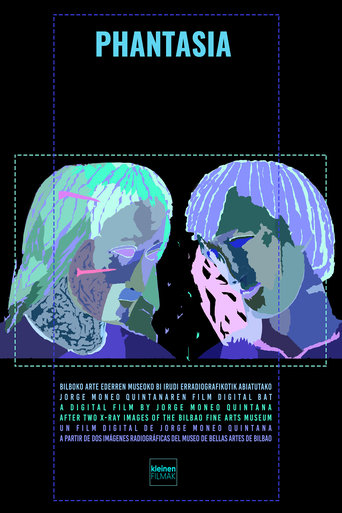
Phantasia
2024 · ★ 8
X-ray images were invented in 1895, the same year in which the Lumière brothers presented their respective invention in what today is considered to be the first cinema screening. Thus, both cinema and radiography fall within the scopic regime inaugurated by modernity. The use of X-rays on two sculptures from the Bilbao Fine Arts Museum generates images that reveal certain elements of them that would otherwise be invisible to our eyes. These images, despite being generally created for technical or scientific purposes, seem to produce a certain form of 'photogénie': they lend the radiographed objects a new appearance that lies somewhere between the material and the ethereal, endowing them with a vaporous and spectral quality. It is not by chance that physics and phantasmagoria share the term 'spectrum' in their vocabulary.
More info →