Mica and Stories Around Her
★ 6 · 2010 · 37m · Documentary
Milica Ostojic (aka Mica Trofrtaljka or Mica Davorika), a singer from Milicevci near Cacak (Serbia) by singing the song "Davorike, dajke" became a big star of new underground music in the seventies in former Yugoslavia. Forgotten for years, she returned to the scene in the film "Pretty Village, Pretty Flame", saying the historical sentence: "Shut up mate, erotica".
More Like This
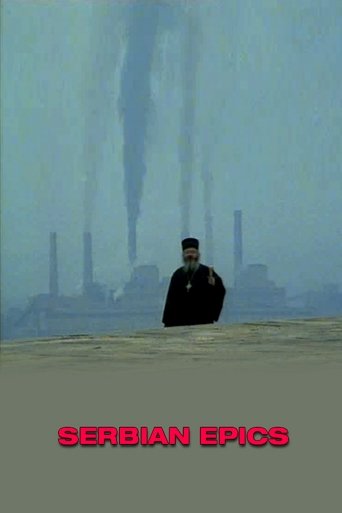
Serbian Epics
1992 · ★ 7
Paul Pawlikowski's award-winning documentary on life behind Serbian lines in Bosnia. The film observes the roots of the extreme nationalism which has torn apart a country and provides a chilling examination of the dangerous power of ancient nationalist myths.
More info →
Serbia on the East
1970 · ★ 8
The last months in the life of a Serbian philosopher and socialist activist Svetozar Marković and his exile by the government of the Serbian Princedom.
More info →
Legacy
2016
In this film the last living witnesses of the events from Second World War are telling their stories and thus transferring silenced victim’s voices to present times.
More info →
Pete Seeger: The Power of Song
2007 · ★ 7
Interviews, archival footage and home movies are used to illustrate a social history of folk artist and activist Pete Seeger.
More info →
3211
2023 · ★ 1.7
The film 3211 is a true story about Stefan Djuric, a successful musician who one day loses everything and goes to prison, where only his songs remain from his former life.
More info →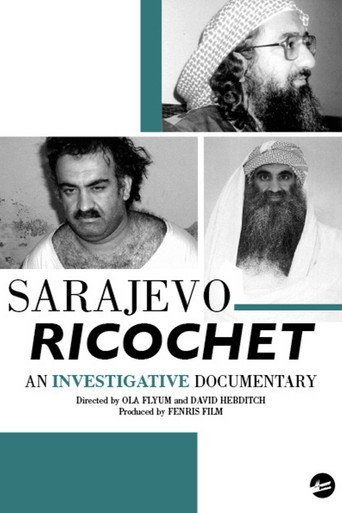
Sarajevo Ricochet Part 1: The US Green Light
2011
This two-part documentary reveals how al-Qaeda used Bosnia as a training-ground, money-laundering centre and forward operating base during the brutal civil war of 1992-95. The veterans went on to attack New York, Washington DC, London, Madrid, Mombasa and Bali. The story also reveals how the people of Srebrenica were betrayed by the Sarajevo government in advance of the massacres of July 1995.
More info →Invisible Nation
2006 · ★ 7
A documentary about vivid punk and alternative rock scene of Subotica, the northernmost Serbian city, through the periods of communism, tyranny of the 1990s regime, and economic transition at the beginning of XXI century. Seen through the eyes of its witnesses, these musicians and creative artists deliberately refused the imposed way of behavior, hence staying "invisible" to everyday people.
More info →
The Kingdom of Serbia
2008 · ★ 8
A documentary re-enactment of the last few hundred years in Serbian history.
More info →
Montenegro: A Land Divided
2021 · ★ 6
Montenegro is the newest European country with a proud history, one that is being falsified for current political purposes, thus creating an alternative identity. In a nation where it possible for two brothers to claim different ethnic backgrounds despite having the same parents, everything is on the table: language, church, democracy. Can the truth set Montenegro free?
More info →
John Denver: Country Roads Live in England
1986 · ★ 8
Fans continue to treasure the songs and performances of John Denver, one of the most popular recording artists of the 20th century. Before his death in 1997, Denver toured the world, landing in Birmingham, England, for the 1986 concert captured here. The sunny country star provides heartfelt renditions of many of his biggest hits, including "Take Me Home, Country Roads" and "Sunshine on My Shoulders."
More info →
Woody Guthrie: Ain't Got No Home
2006
Every American who has listened to the radio knows Guthrie's "This Land Is Your Land." The music of the folk singer/songwriter has been recorded by everyone from the Mormon Tabernacle Choir to U2. Originally blowing out of the Dust Bowl in Depression-era America, he blended vernacular, rural music and populism to give voice to millions of downtrodden citizens. Guthrie's music was politically leftist, uniquely patriotic and always inspirational.
More info →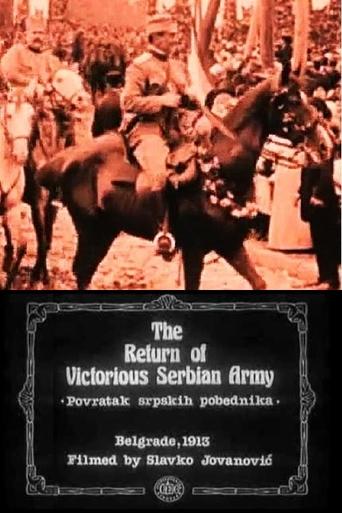
The Return of the Victorious Serbian Army
1913 · ★ 5.7
At the beginning of Sumadijska street in the vicinity of Slavija Square on the 11th August 1913, the Serbian victorious army from the Second Balkan War led by the Crown Prince Alexander Karadjordjevic was given a huge welcome by the highest military and political authorities of Serbia and Belgrade, representatives of civil organizations and national institutions, as well as several tens of thousands of people from Belgrade, Serbia and Vojvodina.
More info →